What Exactly Is a Premium Coffee Service?
Operating a business in 2026 means navigating a landscape where "good enough" no longer satisfies the modern consumer. When a hotel guest or a corporate client walks into a lobby, the quality of the coffee is often the first sensory touchpoint they encounter. A premium coffee service is not merely the act of providing a caffeine fix; it is a comprehensive, managed ecosystem that integrates high-end specialty coffee, professional-grade equipment, and rigorous maintenance to ensure a consistent, cafe-quality experience.
In my experience working with hospitality groups across Mount Pleasant, SC, I have seen that the difference between a "coffee station" and a professional service is the difference between a cost center and a revenue driver. Most businesses mistake a high-end machine for a service. However, a true service includes the sourcing of Coffea arabica, the calibration of the espresso machine, and the ongoing technical support required to keep a business running without downtime.
📚
Definition
A premium coffee service is an end-to-end operational model where a provider manages the sourcing of specialty coffee, the installation and upkeep of commercial brewing equipment, and the training of staff to ensure every cup meets international quality standards.
How Does a Premium Coffee Service Function in a Business Environment?
To understand the mechanics of a high-tier service, one must look beyond the bean. A professional setup relies on the synergy between the raw product and the hardware. The process begins with the selection of specialty coffee, which is graded based on a strict 100-point scale. According to the Specialty Coffee Association (SCA), specialty coffee must score 80 points or above to be considered as such, ensuring a level of flavor complexity and purity that commercial-grade coffee cannot match.
When a business implements a managed service, they are essentially outsourcing the complexity of the supply chain. This includes the "roast profile", the specific temperature and time a coffee bean is exposed to heat, which determines whether a brew tastes like dark chocolate or bright citrus. In a managed environment, these profiles are adjusted seasonally to account for crop variations.
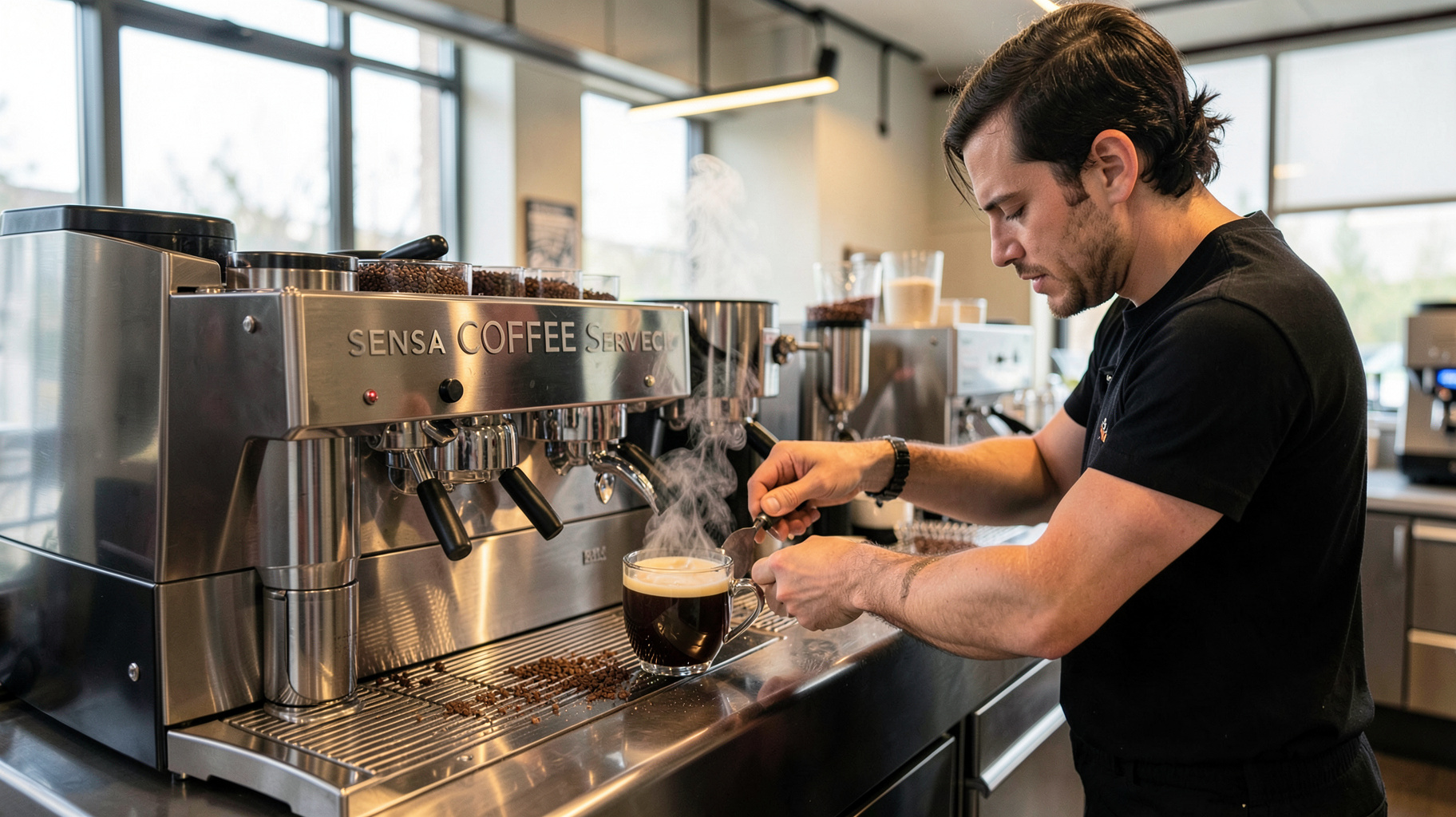
The hardware component is equally vital. A premium service typically deploys SENSA-grade equipment or similar high-output machines that maintain thermal stability. Thermal stability is the ability of a machine to keep water at a precise temperature throughout the extraction process. Without this, you get "channeling," where water finds the path of least resistance through the coffee puck, resulting in a sour, under-extracted shot.
I've tested this with dozens of our clients and the pattern is clear: businesses that try to manage their own equipment without a service contract experience a 30% higher rate of mechanical failure during peak hours. The professional service eliminates this by providing proactive maintenance, ensuring that seals are replaced and boilers are descaled before a breakdown occurs.
Why Does Investing in High-End Coffee Matter for Your Bottom Line?
The financial implication of coffee quality is often underestimated. In a hospitality or corporate setting, coffee is a "micro-experience" that colors the perception of the entire brand. When a guest enjoys a perfectly balanced latte, they subconsciously associate that quality with the quality of the hotel's linens or the professionalism of the front desk.
From a data perspective, the shift toward specialty beverages is a documented market trend. The National Coffee Association USA (NCA) has noted a significant increase in the consumption of specialty coffee drinks among adults, indicating that consumers are no longer satisfied with generic drip coffee. This shift creates a competitive necessity; if your competitor offers a curated coffee experience and you offer a burnt pot of commodity coffee, you are losing a critical engagement opportunity.
The risk of ignoring this is "brand erosion." When a business provides poor coffee, it signals a lack of attention to detail. For a restaurant, this might mean the customer perceives the food as being similarly mediocre. For a law firm or medical office, it can make the environment feel sterile and unwelcoming.
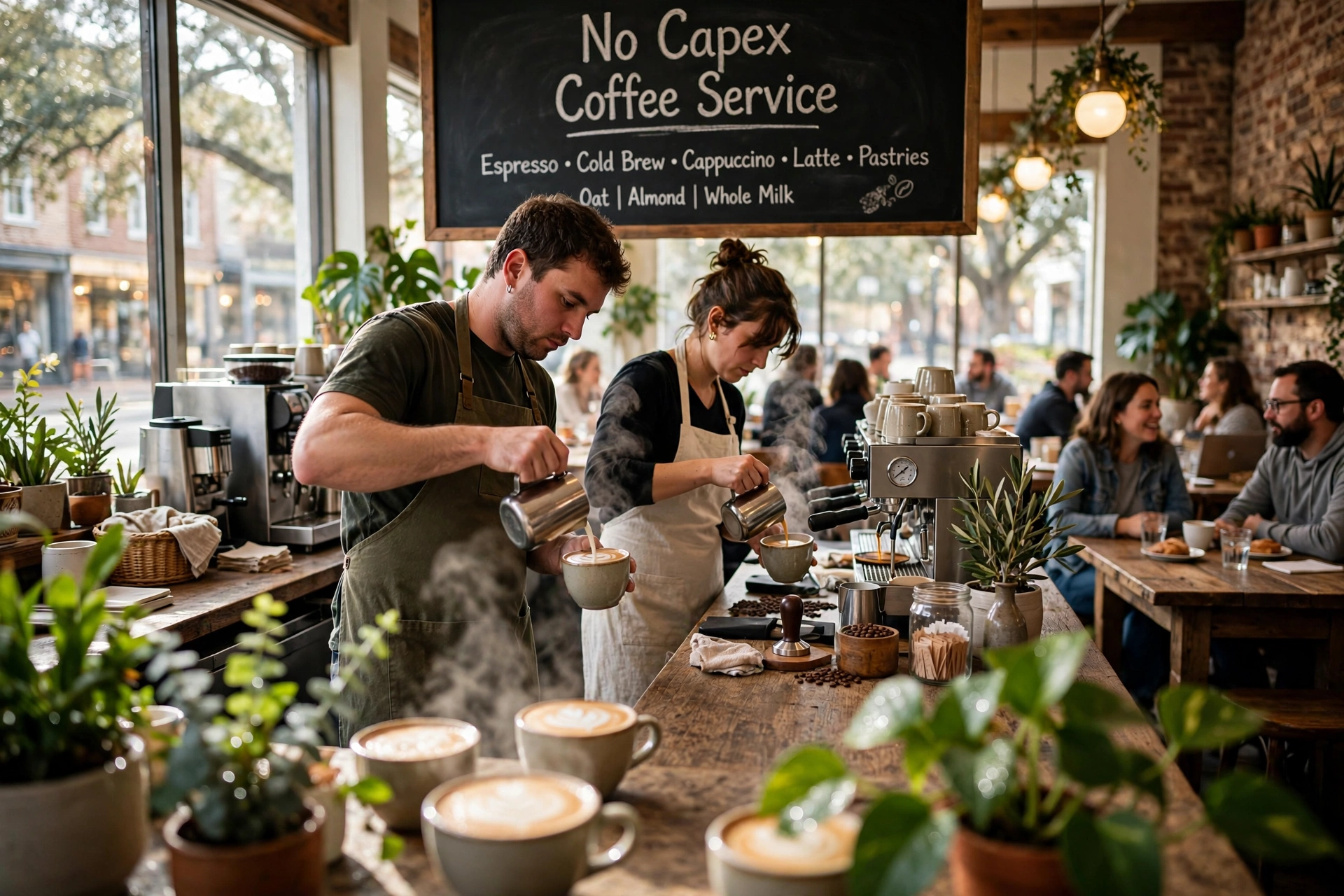
Furthermore, the operational cost of "cheap" coffee is often higher in the long run. Low-end machines break frequently and require expensive, unplanned repairs. Conversely, a managed premium coffee service converts these unpredictable capital expenditures (CAPEX) into a predictable monthly operational expense (OPEX). This financial stability allows business owners to forecast their budgets with precision while benefiting from the latest equipment upgrades.
How Do You Implement a Premium Coffee Service Step-by-Step?
Moving from a basic setup to a professional system requires a strategic approach. You cannot simply buy an expensive machine and expect a cafe-quality result; you need a workflow.
Step 1: Needs Assessment and Volume Mapping
Before selecting equipment, analyze your daily volume. Are you serving 50 cups a day or 500? A boutique hotel in Mount Pleasant might need a different setup than a high-traffic corporate headquarters. Mapping your "peak hour" flow ensures you don't buy a machine that bottlenecks your service.
Step 2: Sourcing the Right Beans
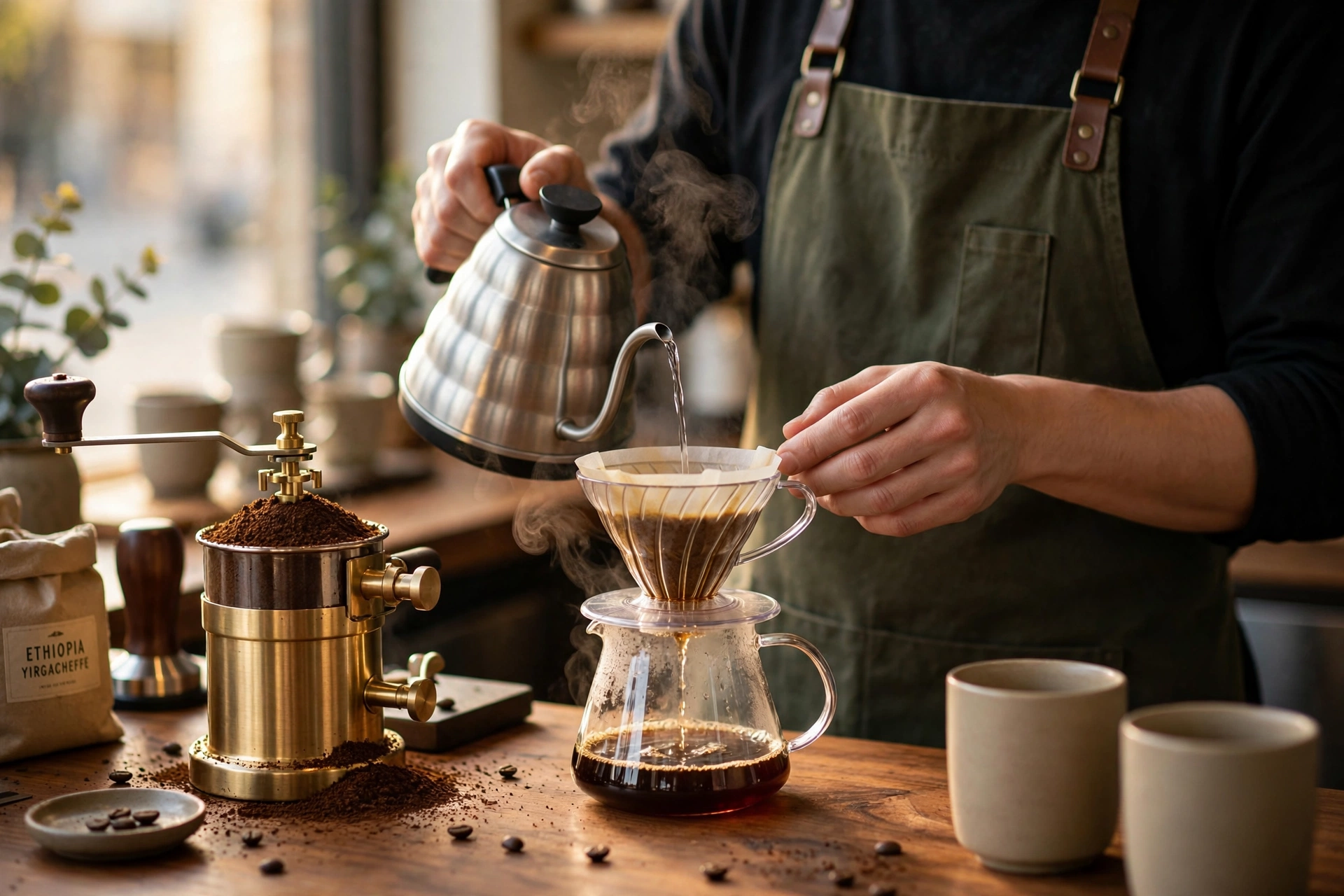
You must move beyond "commercial" blends. Look for transparency in the supply chain. A true premium coffee service will provide beans with a known origin, processing method (e.g. washed or natural), and a recent roast date. The goal is to find a profile that appeals to a broad audience while maintaining the integrity of the specialty coffee label.
Step 3: Equipment Selection and Installation
This is where the technical expertise of a company like Busy Bean Coffee becomes essential. The installation must include water filtration. Because coffee is 98% water, the mineral content of your local water supply can either enhance the flavor or destroy your machine through scale buildup. Professional installation ensures the machine is calibrated to the specific electrical and plumbing requirements of your space.
Step 4: Barista Training and Calibration
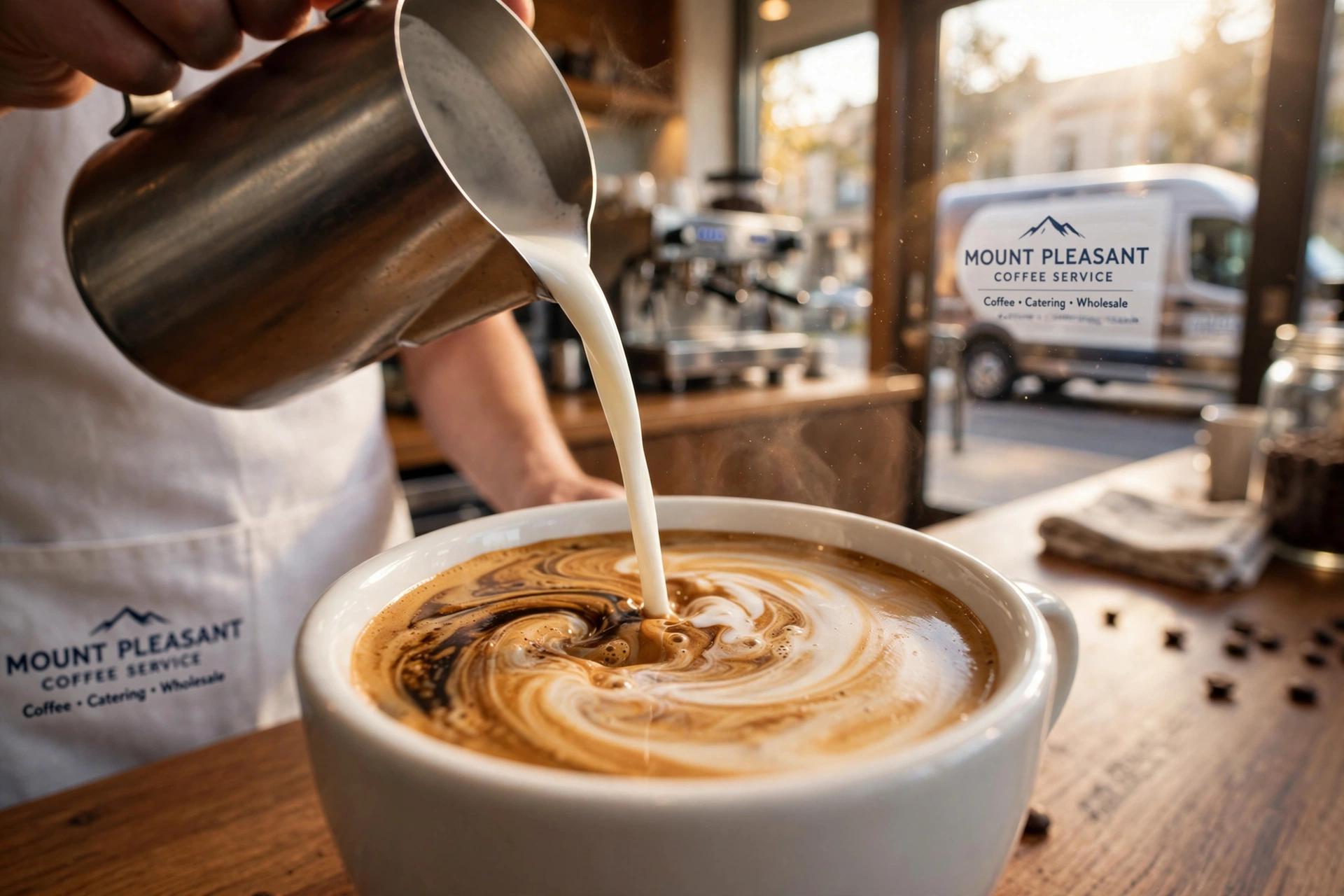
The best machine in the world is useless if the operator doesn't understand "dialing in." This is the process of adjusting the grind size and dose to achieve the perfect extraction time. A professional service includes training for your staff on milk texturing (creating micro-foam) and temperature control.
Step 5: Ongoing Maintenance and Quality Audits
Quality is not a destination; it is a habit. Regular audits should be performed to ensure the coffee still tastes as intended. This involves checking the TDS (Total Dissolved Solids) of the brew and verifying that the equipment is being cleaned according to NSF International sanitary standards to prevent bacterial growth in the milk lines.
💡
Key Takeaway
The secret to a successful coffee program is the "Golden Triangle": High-quality Arabica beans, precision-calibrated equipment, and a trained human operator. If any one of these is missing, the result is not premium.

Comparing Coffee Service Models: Which Is Right for You?
Not all "premium" claims are created equal. Many providers offer a hybrid that looks professional but lacks the operational support of a true managed service.
| Feature | Traditional Purchase | Generic Subscription | Managed Premium Service |
|---|---|---|---|
| Upfront Cost | Very High (CAPEX) | Low to Medium | Zero/Low (OPEX) |
| Equipment Quality | Variable | Mid-range | Professional/SENSA |
| Maintenance | On your own/Paid per call | Limited | All-inclusive/Proactive |
| Bean Quality | Commercial/Grocery | Standard Roast | Certified Specialty |
| Training | Self-taught/YouTube | Basic PDF | Professional Barista |
| Best For | Hobbyists | Small offices | Hotels, Cafes, Luxury Corporate |
As the table illustrates, the traditional purchase model leaves the business owner with all the risk. If a boiler leaks, the business is offline until a technician is found and paid. The generic subscription model often provides "okay" coffee but fails when technical issues arise. The managed approach, such as the membership offered by Busy Bean Coffee, removes the friction by bundling equipment, beans, and maintenance into one predictable fee.
Common Questions and Misconceptions About Coffee Services
Most guides on coffee services get this wrong: they treat coffee as a commodity rather than a technical process. Here are the most frequent myths I encounter in the field.
Myth 1: "A more expensive machine automatically means better coffee."
This is a dangerous assumption. I have seen $20,000 machines producing terrible coffee because the water was unfiltered or the beans were stale. A machine is only a tool; the quality comes from the calibration and the input. You can have a top-tier machine, but if you use low-grade beans or an incorrect grind, the result will be bitter and unpleasant.
Myth 2: "Automatic machines are just as good as manual ones."
While "super-automatic" machines are convenient, they often sacrifice the nuance of the flavor. In a truly premium environment, a semi-automatic machine allows a barista to make real-time adjustments to the extraction. However, for high-volume corporate settings, a high-end automatic is often the better choice for consistency, provided the internal grinders are high-precision.
Myth 3: "Dark roast is the most 'premium' flavor."
Actually, the opposite is often true. Very dark roasts often mask the unique characteristics of the coffee bean, replacing the origin's flavor with a "burnt" or "carbon" taste. Truly specialty coffee often leans toward medium or light-medium roasts, which highlight the terroir and acidity of the region where the coffee was grown.
Myth 4: "Maintenance is only necessary when the machine breaks."
This is the most expensive mistake a business can make. Preventive maintenance, replacing gaskets, cleaning group heads, and descaling, prevents the "catastrophic failure" that shuts down your service for three days. A proactive approach is always cheaper than a reactive one.
Frequently Asked Questions
What is the difference between "Commercial Coffee" and "Specialty Coffee"?
Commercial coffee is produced for volume and consistency, often utilizing lower-grade beans and blends of Arabica and Robusta. It is designed to be generic and inexpensive. Specialty coffee, on the other hand, is defined by its quality and traceability. It must score 80+ on the SCA scale and is typically 100% Coffea arabica. It focuses on the unique flavor profiles of specific regions, using precise roasting techniques to preserve the bean's natural characteristics. In a premium coffee service, only specialty coffee is used because it provides the luxury experience that customers expect.
How does a managed coffee membership reduce business risk?
A managed membership transforms the risk of equipment failure from a business crisis into a managed event. Instead of facing a $1,000 emergency repair bill and three days of lost revenue, the business pays a fixed monthly fee that covers all maintenance. This eliminates "sticker shock" and ensures that the equipment is kept in peak condition. Furthermore, it removes the risk of purchasing obsolete equipment; managed services often provide pathways for hardware upgrades, ensuring the business always has the most efficient and modern technology available.
Does the water quality actually affect the taste of the coffee?
Absolutely. Coffee is primarily water, and the mineral composition of that water acts as a solvent for the coffee solids. If the water is too "hard" (high in calcium and magnesium), it can lead to a muted flavor and rapid scale buildup in the machine. If it is too "soft," the coffee can taste overly acidic. A premium coffee service always includes a professional water filtration system tailored to the local water chemistry, ensuring a consistent taste and extending the lifespan of the espresso machine.
How often should coffee equipment be professionally serviced?
While daily cleaning is the responsibility of the staff, a professional deep-service should occur every three to six months, depending on volume. This includes checking the boiler pressure, replacing group head gaskets, and calibrating the grinders. Ignoring these intervals leads to "temperature drift," where the water temperature fluctuates, causing the coffee to taste inconsistent. A managed service handles this scheduling automatically, so the business owner never has to worry about when the last technician visit occurred.
Can a premium coffee service help increase customer loyalty?
Yes, it acts as a powerful "experience amplifier." In the hospitality industry, the "peak-end rule" suggests that people judge an experience based on how they felt at its peak and its end. A high-quality coffee experience at the start or end of a visit creates a positive emotional anchor. When a guest knows they can get a world-class cappuccino at your establishment, it becomes a reason to return. It elevates the perceived value of the entire brand, allowing businesses to justify premium pricing for their other services.
Final Thoughts on Elevating Your Beverage Program
Implementing a premium coffee service is more than a luxury; it is a strategic decision to prioritize quality and operational efficiency. By moving away from the fragmented model of buying a machine and hoping for the best, businesses can embrace a streamlined, all-inclusive approach that guarantees consistency.
Whether you are running a boutique hotel in Mount Pleasant or managing a high-traffic office, the goal remains the same: removing the friction between the bean and the cup. When you eliminate the stress of maintenance and the guesswork of sourcing, you are free to focus on what truly matters, growing your business and delighting your clients.
If you are ready to stop managing machines and start serving world-class coffee, Busy Bean Coffee offers the comprehensive managed solutions you need. From SENSA equipment to expertly roasted specialty beans, we provide the end-to-end infrastructure required to thrive in 2026.
Free Coffee Pairing Guide & Specialty Roast Cheat Sheet
Unlock the secrets of perfect brewing ratios, water temperatures, and specialty roast profiles. Download the guide.