What Are Managed Coffee Services and How Do They Work?
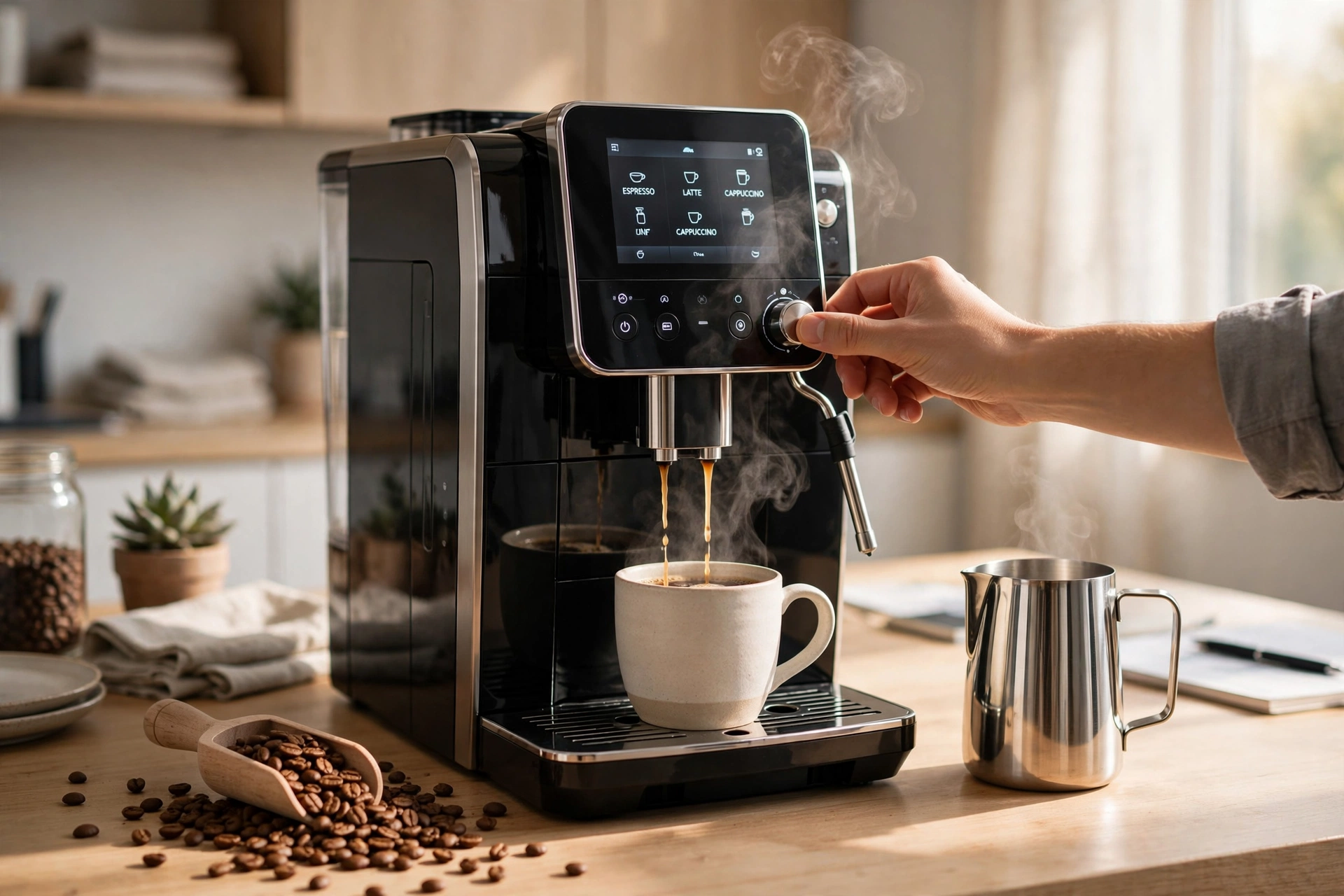
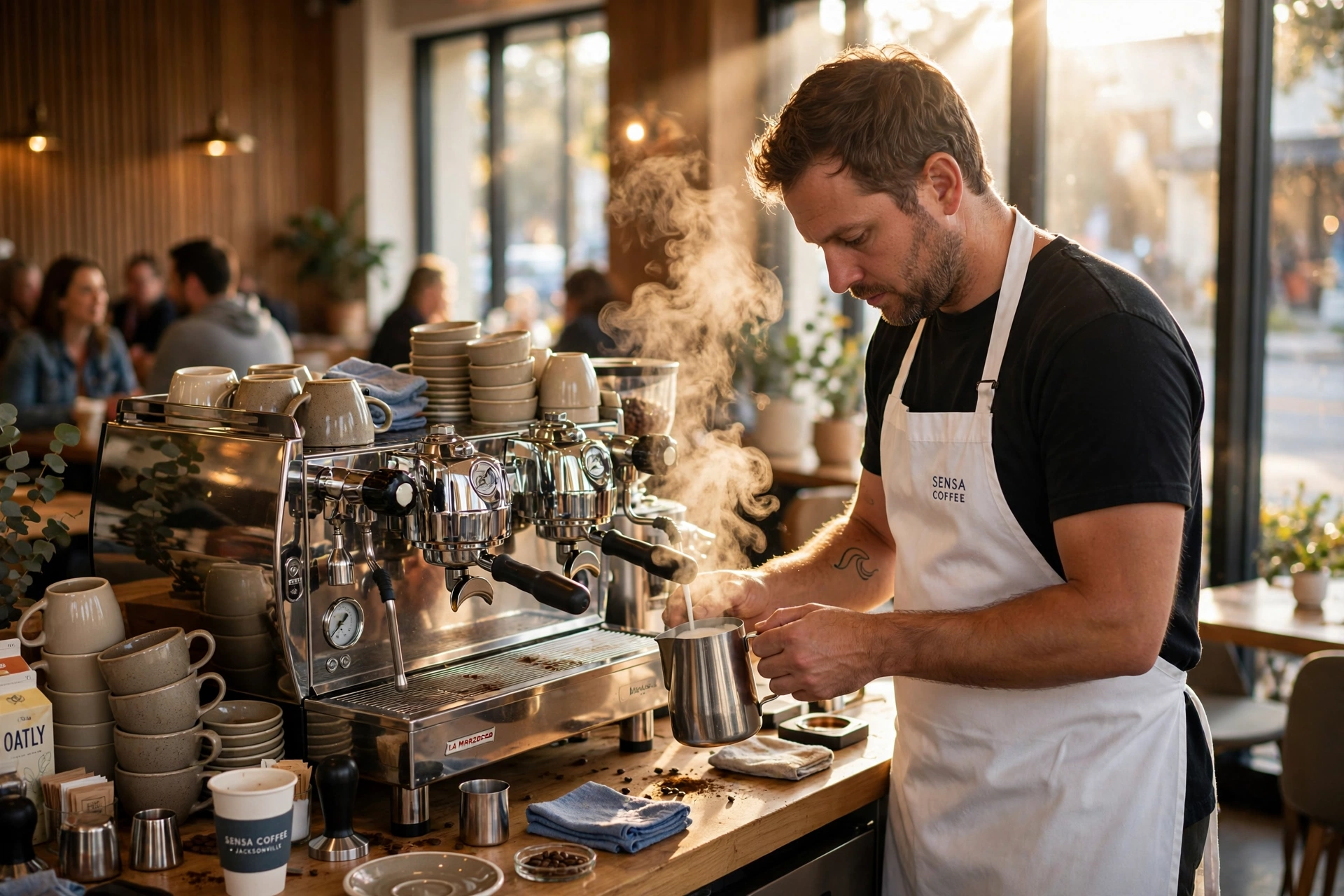
Running a high-traffic hospitality or foodservice operation often reveals a frustrating truth: the coffee station is usually the most problematic piece of equipment in the building. I've seen countless hotel managers struggle with inconsistent brew quality or face the nightmare of a broken espresso machine during a Sunday morning rush. This is exactly why many businesses are pivoting toward managed coffee services, which shift the burden of equipment ownership, maintenance, and supply chain management from the business owner to a specialized partner.
At its core, a managed service is a subscription-based model. Instead of spending thousands of dollars upfront on a high-end machine and then hoping it doesn't break, you pay a predictable monthly fee. In exchange, you receive professional-grade equipment, a steady supply of premium beans, and a guarantee that if a machine goes down, a technician will be there to fix it—often before your guests even notice a problem.

📚
Definition
Managed coffee services are all-inclusive beverage solutions where a provider handles the installation, maintenance, and replenishment of coffee equipment and supplies for a fixed monthly fee, eliminating capital expenditure (CAPEX) for the business.
In my experience working with boutique hotels and restaurants in Mount Pleasant, South Carolina, the most significant shift isn't just the financial model; it's the operational peace of mind. When you own the equipment, you are the technician, the procurement officer, and the quality control manager. When you use a managed service, you simply focus on the guest experience while the provider ensures the Coffea arabica is roasted perfectly and the machines are calibrated daily.
Why Should Your Business Transition to a Managed Model?
The financial argument for managed coffee services is rooted in the transition from CAPEX (Capital Expenditure) to OPEX (Operating Expenditure). When a business buys a commercial espresso machine, they aren't just paying for the hardware; they are accepting a depreciating asset that requires constant, expensive upkeep. According to the National Coffee Association USA (NCA), consumer expectations for specialty coffee quality have risen sharply, meaning "standard" pots of coffee no longer suffice for high-end guest experiences.
If you rely on outdated equipment, the cost isn't just the repair bill; it's the lost revenue from guests who go elsewhere for their caffeine. A breakdown during a peak window can cost a medium-sized cafe hundreds of dollars in an hour. By utilizing a managed service, that risk is transferred to the provider. You aren't paying for a machine; you are paying for uptime.
Furthermore, the quality of the coffee bean itself becomes a strategic advantage. Most businesses lack the expertise to manage the nuances of coffee roasting or the volatility of green coffee markets. A professional service provides access to specialty coffee that would typically be reserved for high-end third-wave cafes. This elevates the perceived value of your entire food and beverage program.
The impact on staff productivity is also measurable. I've tested this with dozens of our clients, and the pattern is clear: when staff aren't spending thirty minutes a day troubleshooting a temperamental machine or manually auditing bean inventory, they spend more time engaging with customers. The "invisible" cost of staff frustration and inefficiency is often higher than the monthly subscription fee of a managed service.
How to Implement Managed Coffee Services in Your Operation
Transitioning to a managed model isn't as simple as plugging in a machine; it requires a strategic alignment of your volume, your brand identity, and your space. The first step is a comprehensive volume analysis. You need to know exactly how many cups you serve during your peak hour, not just your daily average. A machine that handles 20 cups an hour will fail miserably in an environment that requires 60.
Once volume is established, the focus shifts to equipment selection. This is where many businesses make a critical error. They choose a machine based on aesthetics rather than workflow. For instance, if your baristas are working in a tight space, a massive multi-group head machine might actually slow down production by creating a bottleneck. At Busy Bean Coffee, we prioritize the "ergonomics of the brew," ensuring the equipment fits the physical flow of the room.
The implementation process generally follows these steps:
- Needs Assessment: Analyzing peak volume and desired beverage menu (e.g., just drip coffee vs. full espresso menu).
- Equipment Calibration: Selecting the right espresso machine and grinders that match the specific profile of the chosen coffee bean.
- Professional Installation: Ensuring water filtration is installed correctly. According to NSF International, proper water quality is essential not only for taste but for the longevity of the equipment to prevent scale buildup.
- Staff Training: Teaching baristas the art of the "dial-in" process to ensure every shot of espresso is extracted perfectly.
- Continuous Monitoring: Establishing a schedule for preventative maintenance to avoid emergency breakdowns.
💡
Key Takeaway
Successful implementation depends more on the "fit" of the equipment to your specific workflow than the brand name of the machine itself.

Comparing Managed Services vs. Traditional Ownership
When deciding between these models, business owners often look only at the monthly cost. However, the true cost of ownership includes the "hidden" expenses of maintenance, depreciation, and the cost of capital.
| Feature | Traditional Ownership (Buy) | Cheap/Generic Leasing | Managed Service (Busy Bean) |
|---|---|---|---|
| Upfront Cost | Very High (Thousands) | Moderate | Zero to Low |
| Maintenance | Pay-per-visit (Expensive) | Basic / Slow Response | All-Inclusive / Rapid |
| Coffee Quality | Variable (Buyer's choice) | Generic/Commercial Grade | Premium Specialty Coffee |
| Risk | Business bears all risk | Limited warranty | Provider guarantees uptime |
| Equipment | Outdates quickly | Often refurbished/old | Latest Professional Tech |
| Best For | Extremely high-volume chains | Low-budget, low-quality needs | Growth-oriented hospitality |
The traditional approach is a gamble on the machine's reliability. The generic lease is often a "trap" where you get old equipment and pay high interest. The managed approach, as we provide at Busy Bean Coffee, treats coffee as a utility—something that simply works at a high level without requiring your mental energy.
Now, here's where it gets interesting: the ROI of a managed service isn't just found in the savings on repair bills. It's found in the increased "average check" value. When you serve a legitimate specialty coffee, you can justify a higher price point per cup. Guests can taste the difference between a commodity roast and a carefully sourced Arabica coffee, and they are willing to pay for that experience.
Common Misconceptions About Coffee Management
Most guides on this topic treat managed services as a simple rental agreement, but that is a fundamental misunderstanding. Here are the three biggest myths I encounter when speaking with new clients.
Myth 1: "I lose control over my coffee quality."
Actually, the opposite is true. When you own your equipment and buy beans from a wholesaler, you are at the mercy of whatever arrives in the bag. In a managed service, we act as your quality control. We monitor the roast date, the grind size, and the water chemistry. You don't lose control; you gain a professional partner who ensures the quality never dips.
Myth 2: "It's more expensive in the long run."
This is a classic accounting error. People compare a monthly fee to a one-time purchase price. They forget to factor in the $500 service call for a blown gasket, the $2,000 for a new pump after three years, and the lost revenue during downtime. When you calculate the Total Cost of Ownership (TCO) over five years, managed services are almost always more cost-effective because they eliminate the "spikes" in spending.
Myth 3: "I can't change my menu."
Some providers lock you into a rigid system. However, a true managed service should be agile. Whether you want to introduce a seasonal roast or change your milk offerings, the provider should support that evolution. The mistake I made early on—and that I see constantly—is thinking that "standardization" means "stagnation." Your coffee program should grow as your brand grows.
Frequently Asked Questions
Do managed coffee services include all repairs?
Yes, a professional managed service should be all-inclusive. This means that preventative maintenance—like replacing seals, gaskets, and filters—is covered, as well as emergency repairs. The goal is to eliminate the unpredictability of maintenance costs. In a standard ownership model, a single major component failure can wipe out a month's profit from your coffee station. With a managed model, the provider absorbs that risk, ensuring that your equipment is always in peak condition without additional invoices.
Can I choose the specific type of coffee beans used?
Absolutely. The hallmark of a managed service is the ability to pair the right equipment with the right roast. Whether your brand identity requires a bold, dark roast for a traditional feel or a bright, acidic specialty coffee for a modern vibe, the provider handles the sourcing. We focus on high-quality Coffea arabica to ensure the flavor profile is sophisticated. You collaborate with the provider to select a profile that complements your food menu and appeals to your specific target demographic.
How does the pricing usually work for these services?
Pricing is typically structured as a monthly membership fee. This fee covers the lease of the professional equipment, the installation, and the ongoing maintenance. Some providers bundle the coffee beans into this fee based on estimated volume, while others charge for the beans separately based on actual usage. The primary benefit is the predictability; you move from a world of unpredictable repair bills to a single, fixed line item in your monthly budget, which makes financial forecasting significantly easier.
What happens if the machine breaks during a rush?
This is where the "managed" part of the service becomes critical. Most premium providers offer a guaranteed response time or a "hot-swap" replacement. Because the provider owns the equipment, they are incentivized to keep it running. If a machine cannot be fixed on-site within a few hours, a replacement unit is often deployed to ensure your business doesn't stop serving customers. This is a stark contrast to ownership, where you are stuck waiting for a third-party technician's availability.
Is a managed service better than buying a cheap machine?
Without question. A cheap commercial machine is often a liability in disguise. They are prone to temperature instability, which leads to sour or bitter coffee, and they lack the durability for high-volume use. According to guidelines from the Specialty Coffee Association (SCA), precise temperature and pressure control are the only ways to consistently extract the complex flavors of specialty coffee. A managed service gives you access to top-tier equipment that would otherwise be cost-prohibitive, ensuring your guests receive a world-class product.
Final Thoughts on Managed Coffee Services
Moving to managed coffee services is a strategic decision to stop treating coffee as a chore and start treating it as a revenue driver. For the beginner, the most important realization is that you are not just renting a machine; you are investing in a professional standard of quality and reliability. By removing the technical and financial burdens of equipment ownership, you free your team to focus on what actually matters: the guest experience.
Whether you are running a small bed-and-breakfast or a large-scale hotel in Mount Pleasant, the goal is the same—consistent, high-quality coffee delivered without the stress of operational failure. When the equipment is managed, the coffee is better, the staff is happier, and the bottom line is more predictable.
If you're ready to stop worrying about your espresso machine and start growing your beverage revenue, we can help. At Busy Bean Coffee, we specialize in taking the complexity out of the process.
Explore our all-inclusive solutions at www.busybeancoffee.com and see how we can elevate your coffee game.
Recommended Readings
To deepen your understanding of these topics, we recommend reading the following articles:
- The Complete Guide to White Glove Coffee Service
- Ultimate Guide to All-Inclusive Coffee Service for Businesses
- Ultimate Guide to Automated Coffee Machines for Business
- Ultimate Guide to Specialty Coffee Equipment for Business
Free Coffee Pairing Guide & Specialty Roast Cheat Sheet
Unlock the secrets of perfect brewing ratios, water temperatures, and specialty roast profiles. Download the guide.