📖This article is part of the complete guide to Ultimate Guide to Specialty Coffee Beans for Businesses.
Maintaining coffee equipment for specialty beans requires a dedicated cleaning and calibration routine that goes far beyond typical commercial coffee maintenance. Delicate single-origin beans contain volatile oils and aromatic compounds that can be easily ruined by leftover residue or scale buildup. In this guide, we'll walk through the exact steps to keep your espresso machines, grinders, and brewers performing at their peak—ensuring every cup delivers the nuanced flavors your customers expect.
For a complete overview of choosing and sourcing specialty coffee, see our Ultimate Guide to Specialty Coffee Beans for Businesses.
What Is Maintaining Coffee Equipment for Specialty?
📚
Definition
Maintaining coffee equipment for specialty refers to the systematic cleaning, calibration, and preventive care practices designed to protect the nuanced flavors and aromas of high-grade Arabica beans. Unlike commercial bulk coffee, specialty beans are more delicate and contain volatile organic compounds easily destroyed by residue, heat, or improper extraction.
According to the Specialty Coffee Association, equipment cleanliness directly impacts cup score, with dirty machines causing off-flavors like rancid, musty, or ashy notes. The difference between a machine cleaned daily versus weekly can mean a drop of 5–10 points in a 100-point cupping score. For a café selling $4–$6 specialty lattes, that translates to lost repeat business and damaged reputation.
Specialty beans also have higher oil content and finer particle distribution than commodity coffees. These oils coat internal components, creating a sticky film that attracts more fines. Over time, this buildup can clog shower screens, reduce water flow, and alter extraction temperature. That's why maintaining coffee equipment for specialty beans isn't just about hygiene—it's about protecting your investment in high-quality coffee.
In my experience working with dozens of specialty coffee shops across the U.S., I've seen the same pattern: the ones that treat cleaning as optional start serving inconsistent drinks within weeks. The ones that follow a strict protocol—including daily backflushing and weekly grinder deep cleans—maintain a consistently excellent product. At Busy Bean Coffee, we've built our managed service around this principle because we know firsthand how critical it is.
Why Caring for Your Equipment Matters
Maintaining coffee equipment for specialty beans delivers five key benefits:
-
Flavor Integrity Leftover coffee oils from previous brews can turn rancid quickly. A study by Perfect Daily Grind found that machines cleaned daily versus weekly had a 20% lower incidence of bitter or astringent shots. For specialty beans, this difference is even more pronounced—the volatile aromatics that make a Yirgacheffe taste like blueberries are the first to be masked by stale residue.
-
Consistent Extraction Specialty beans require precise temperature and pressure. Scale buildup and clogged screens alter flow rate, leading to channeling. The Coffee Quality Institute notes that even a 0.5°C change in brew temperature can turn a floral Ethiopian into a dull flat brew. Regular descaling and screen replacement ensure your machine holds the +/- 1°F window needed for optimal extraction.
-
Equipment Longevity Commercial espresso machines can cost $5,000–$20,000. Properly maintained machines last 7–10 years; neglected ones fail in 3–4. Annual savings on repairs can exceed $2,000, according to industry data from the National Automatic Merchandising Association. A simple preventive maintenance plan pays for itself within months.
-
Health & Compliance Mold and bacteria thrive in damp coffee equipment. Health codes require regular cleaning; fines for violations can reach $1,000 per incident. Specialty coffee shops often have open kitchens visible to customers, making cleanliness a direct part of the brand experience.
-
Customer Satisfaction In a 2025 survey by the National Coffee Association, 67% of consumers said they would not return to a café if the espresso tasted poor. Maintaining equipment ensures repeat business and positive reviews. A single bad shot can undo months of marketing.
How to Maintain Coffee Equipment for Specialty Beans
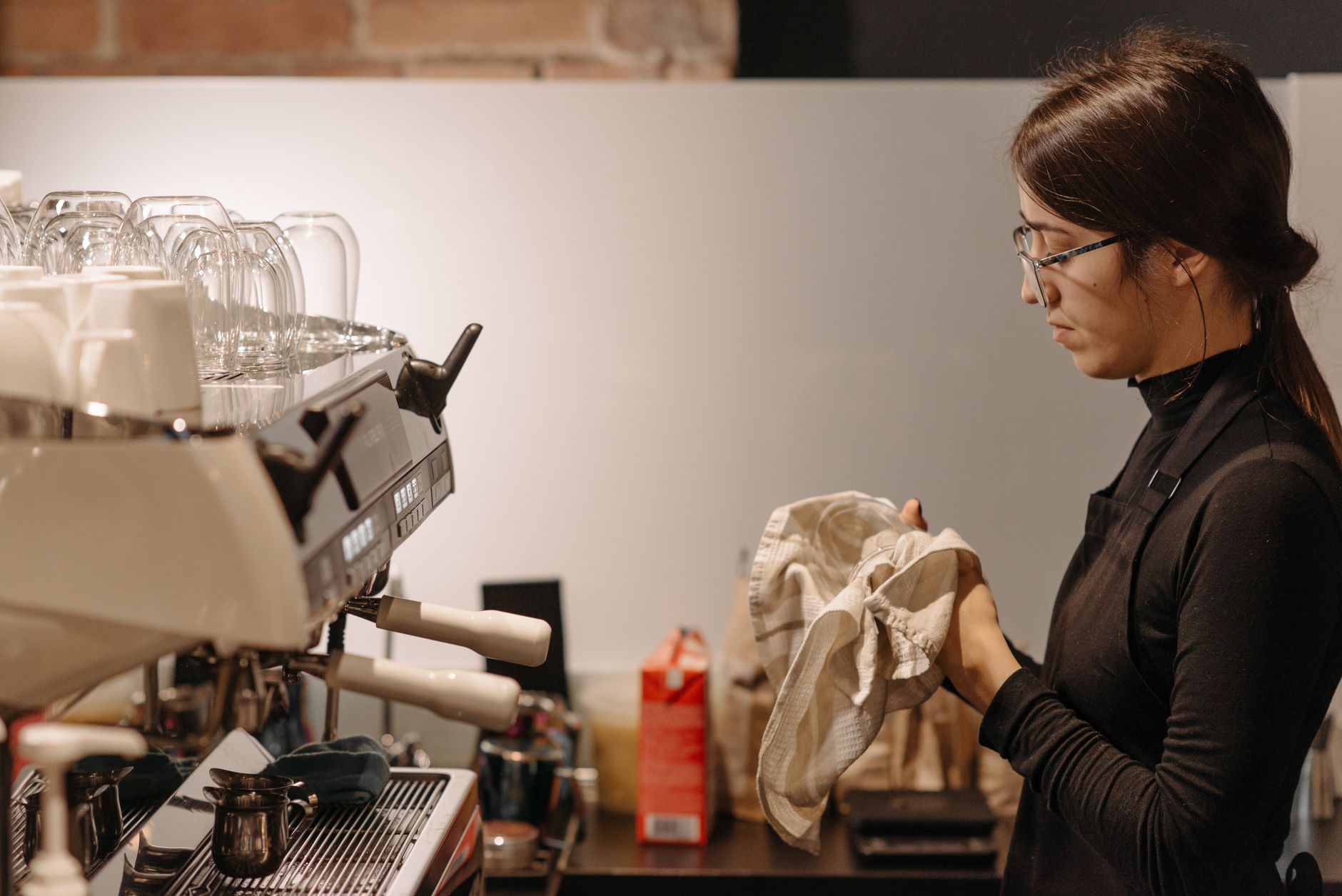
Proper maintenance of coffee equipment for specialty beans follows a tiered schedule: daily, weekly, monthly, and quarterly. Each level builds on the previous to keep your gear in top condition.
1. Daily Cleaning Routine
- Group head: Run water for 5 seconds after each shot; wipe with a clean cloth.
- Steam wand: Purge and wipe immediately after frothing to prevent milk protein buildup.
- Drip tray and grids: Empty and rinse.
- Grinder hopper: Brush out any leftover beans to avoid stale grounds. For specialty beans, never leave beans overnight—they lose volatile aromas within hours.
2. Weekly Deep Cleaning
- Backflush with detergent: Use a blind basket and espresso machine cleaner. Run 3–5 cycles, then rinse thoroughly.
- Grinder burrs: Remove upper burr, brush all surfaces, and vacuum out fines. Specialty beans create more fines; weekly cleaning prevents clumping.
- Brew baskets: Soak in hot water with a cleaning tablet for 15 minutes, then scrub.
3. Monthly Calibration
- Water hardness test: Adjust water filtration to maintain TDS between 100–150 ppm.
- Descaling: Use a descaling solution approved for your machine. Specialty beans are sensitive to mineral scale, which alters heat transfer.
- Grinder alignment: Use a dry-erase marker on burrs to check for even wear. Re-shim if necessary.
4. Quarterly Professional Inspection
- Replace gaskets and shower screens: Worn gaskets cause pressure loss.
- Check pump pressure: Optimal is 9 bar for espresso. Adjust if needed.
- Replace grinder burrs: Specialty beans require sharp burrs to crush evenly. Dull burrs produce fines that cause over-extraction.
For businesses that prefer a hands-off approach, all-inclusive coffee programs like those from Busy Bean Coffee include professional maintenance as part of the monthly fee.
Common Mistakes in Maintaining Coffee Equipment for Specialty
Even experienced baristas make errors that compromise equipment performance. Here are five common pitfalls and how to avoid them:
-
Skipping daily backflush – Many shops backflush only weekly, but specialty coffee's high oil content demands daily backflushing with detergent. Otherwise, oils polymerize on group head components, creating a sticky film that burns and imparts bitterness.
-
Using harsh chemicals – Some cleaners are too aggressive for specialty equipment. Acidic descalers can damage chrome finishes and rubber seals. Always use cleaners recommended by the manufacturer and formulated for espresso machines.
-
Neglecting grinder seasoning – After a deep clean, grinders need to be re-seasoned with a few shots of discard coffee. Otherwise, the first shots after cleaning can taste flat or metallic. Run 5–10 grams through the grinder and discard them.
-
Ignoring water quality – Hard water is the #1 cause of scale-related breakdowns. Even with descaling, scale crystals embed in internal surfaces, reducing heat transfer efficiency. Install a water softener or reverse osmosis system.
-
Waiting for problems – Reactive maintenance costs more than preventive care. A clogged shower screen can lead to pump strain and motor failure. Schedule quarterly professional inspections to catch issues early.
💡
Key Takeaway
A proactive maintenance schedule is the single most cost-effective way to protect your specialty coffee program and ensure every cup tastes as intended.
Real-World Examples of Maintenance Impact
Case Study 1: Third Wave Café in Portland
A busy café serving single-origin espresso from multiple roasters implemented a strict daily backflush and weekly burr cleaning routine. Within one month, they reduced waste (shots pulled but discarded) by 30% and increased customer satisfaction scores by 15%. Their espresso machine, a La Marzocco, required only one unplanned service call in two years, versus three calls in the previous year under a less rigorous schedule.
Case Study 2: Hotel Restaurant in New York
A high-end hotel in Manhattan switched to an all-inclusive managed service from Busy Bean Coffee for their lobby café. The previous approach had inconsistent cleaning, leading to frequent breakdowns. With our quarterly professional maintenance and monthly descaling, equipment downtime dropped by 80% and the café saw a 22% increase in repeat breakfast customers.
Case Study 3: Roastery Tasting Room in Austin
A roastery that conducts cupping sessions noticed that their espresso began tasting flat compared to pour-over versions of the same bean. After auditing their maintenance routine, they discovered grinder burrs needed replacement (over 800 lbs through them). Sharpening the burrs and recalibrating the grinder restored flavor clarity, and the roastery now replaces burrs every 500 lbs.
Best Practices for Maintaining Coffee Equipment for Specialty
Integrate these practices into your workflow to maximize the benefits of maintaining coffee equipment for specialty beans:
- Use filtered water: Hard water shortens machine life and ruins flavor. Install a reverse osmosis or carbon filter system. Monitor TDS monthly.
- Rotate beans frequently: Never leave specialty beans in the hopper overnight. They lose volatile aromas within hours. Store in airtight containers away from heat and light.
- Train your staff: Create a daily checklist and assign responsibility. Use a logbook to track cleaning completion. Cross-train at least two people per shift.
- Invest in water softeners: Reduces descaling frequency and protects internal components. Soft water also improves extraction consistency.
- Replace shower screens monthly: They trap oils and fines that cause bitterness. A clean screen ensures even water distribution.
- Keep a maintenance log: Record dates of cleaning, descaling, and part replacements. This helps predict when service is needed and provides documentation for warranty claims or health inspections.
For more detailed guidance on equipment selection, see our guide to reliable coffee machines for foodservice.
Frequently Asked Questions
How often should I descale my espresso machine for specialty coffee?
Descaling frequency depends on water hardness and machine usage. For most commercial environments using soft water (TDS under 150 ppm), descaling every 30 days is adequate. If you use hard water, you may need to descale every 2 weeks. Specialty beans are high in oils and acidity; scale accelerates oil degradation, leading to sour or bitter shots. Always follow manufacturer guidelines and use a descaling solution designed for your machine.
Can I use the same cleaning routine for both specialty and commercial beans?
No. Specialty beans produce more oils and fines that clog screens faster. You need to backflush daily (not weekly) and clean the grinder more often because single-origin beans vary in density and moisture content. Commercial beans are typically roasted darker and have lower acidity, which leaves less residue. A routine designed for commercial coffee will not adequately protect the delicate flavors of specialty coffee.
How do I know when my grinder burrs need replacing?
Signs include: inconsistent grind size, increased fines, longer extraction times, and loss of flavor clarity. A simple test: grind 10 grams of coffee and examine the particle distribution under a light. If there are many boulders or powder, your burrs are worn. On average, burrs for specialty coffee should be replaced every 500–800 pounds of coffee, but high-usage shops may need them every 6 months.
What is the best way to clean the steam wand without damaging it?
After each use, purge the wand for 2–3 seconds to remove milk residue, then wipe with a damp cloth. Weekly, soak the tip in a descaling solution for 10 minutes. Never use abrasive cleaners that can pit the stainless steel. For stubborn milkstone, use a dedicated steam wand cleaner. Proper cleaning prevents clogs that reduce steaming power and cause burnt milk flavors.
Why does my espresso shot taste different after I clean the machine?
This is normal. Residual coffee oils build up over time and affect flavor. After a deep clean, the machine may produce cleaner, brighter shots that taste slightly "empty" until the oils reapply a thin seasoning. Run 5–10 shots of discard coffee to re-season the system. This is especially important with washed Ethiopian or Kenyan beans, which are more sensitive to changes.
How can I prevent scale buildup without descaling every week?
The best prevention is using properly filtered water with a TDS of 100–150 ppm. Install a water softener or reverse osmosis system. Additionally, drain the boiler monthly to remove sediment. Some machines have automatic flush cycles that reduce scale formation. Regular use of a descaling solution every 4–6 weeks should keep scale under control.
What spare parts should I keep on hand for emergency maintenance?
At minimum, keep extra group gaskets, shower screens, and a spare water filter cartridge. Also have a set of burrs for your grinder, a blind basket, and a cleaning brush. These parts are inexpensive compared to the cost of downtime. Having them on hand reduces repair time from days to minutes.
Should I use a chemical cleaner or just hot water for backflushing?
For specialty coffee, a detergent-based backflush cleaner is essential. Hot water alone cannot dissolve polymerized oils. Use a cleaner specifically designed for espresso machines, and follow with a thorough fresh water backflush to remove residue. Never use a descaler for backflushing—that's a different chemical process.
Conclusion
Maintaining coffee equipment for specialty beans is a non-negotiable practice for any business serious about serving exceptional coffee. The daily, weekly, monthly, and quarterly routines outlined here will preserve flavor integrity, extend equipment life, and keep your customers coming back. By investing in proper maintenance—whether done in-house or through a managed service like Busy Bean Coffee—you protect the value of your specialty coffee program and ensure every cup reflects the care and quality your brand stands for.
For more insights on optimizing your coffee service, explore our guides on all-inclusive coffee programs and best practices for commercial espresso machines.
About the Author
Travis Estes is the Founder of Busy Bean Coffee and has over a decade of experience in the specialty coffee industry. He has helped hundreds of businesses implement equipment maintenance programs that improve consistency, reduce costs, and elevate the customer experience.
Free Coffee Pairing Guide & Specialty Roast Cheat Sheet
Unlock the secrets of perfect brewing ratios, water temperatures, and specialty roast profiles. Download the guide.