
How Restaurant Coffee Solutions Work: A Step-by-Step Guide for Owners
If you're running a restaurant and wondering how restaurant coffee solutions actually work, you're not alone. Many owners treat coffee as an afterthought—buying a machine from a big-box store and sourcing beans from a wholesale club. That approach rarely delivers the quality customers expect. In reality, professional coffee solutions involve a coordinated system of equipment selection, bean sourcing, maintenance, and training. Here's exactly how it works, step by step.
📚
Definition
Restaurant coffee solutions are comprehensive systems that provide foodservice businesses with commercial-grade coffee equipment, specialty-grade beans, ongoing maintenance, and often staff training—all delivered through a single provider or managed service.
What You Need to Know About Restaurant Coffee Solutions
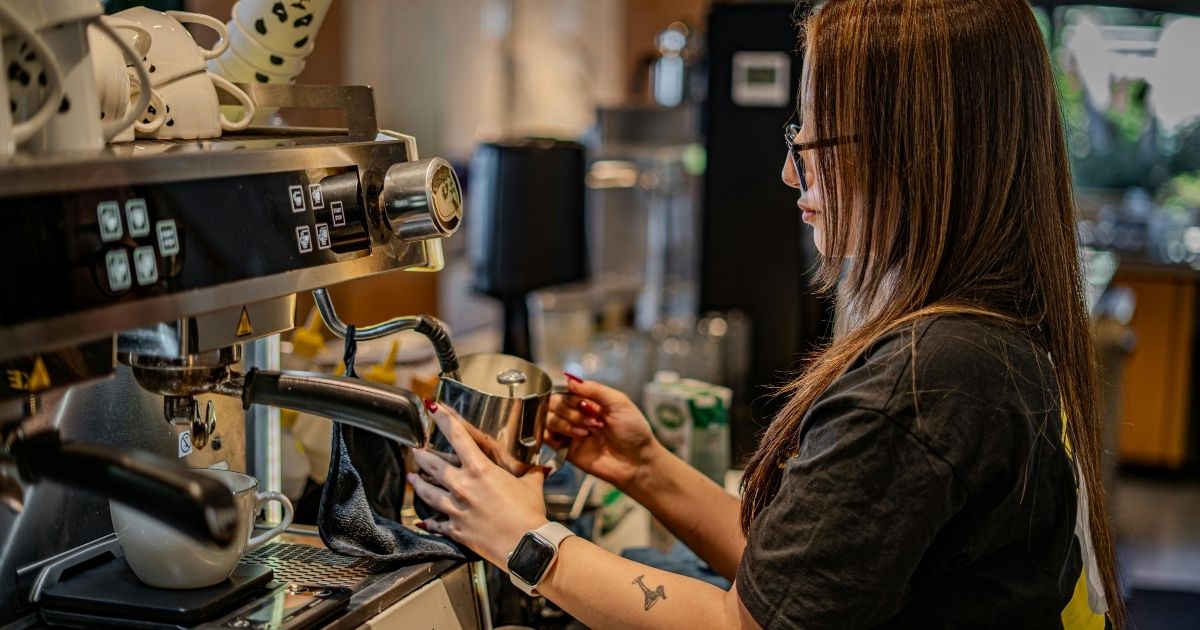
A true restaurant coffee solution isn't just a machine and a bag of beans. It's an integrated ecosystem designed to produce consistent, high-quality coffee at volume. The core components include:
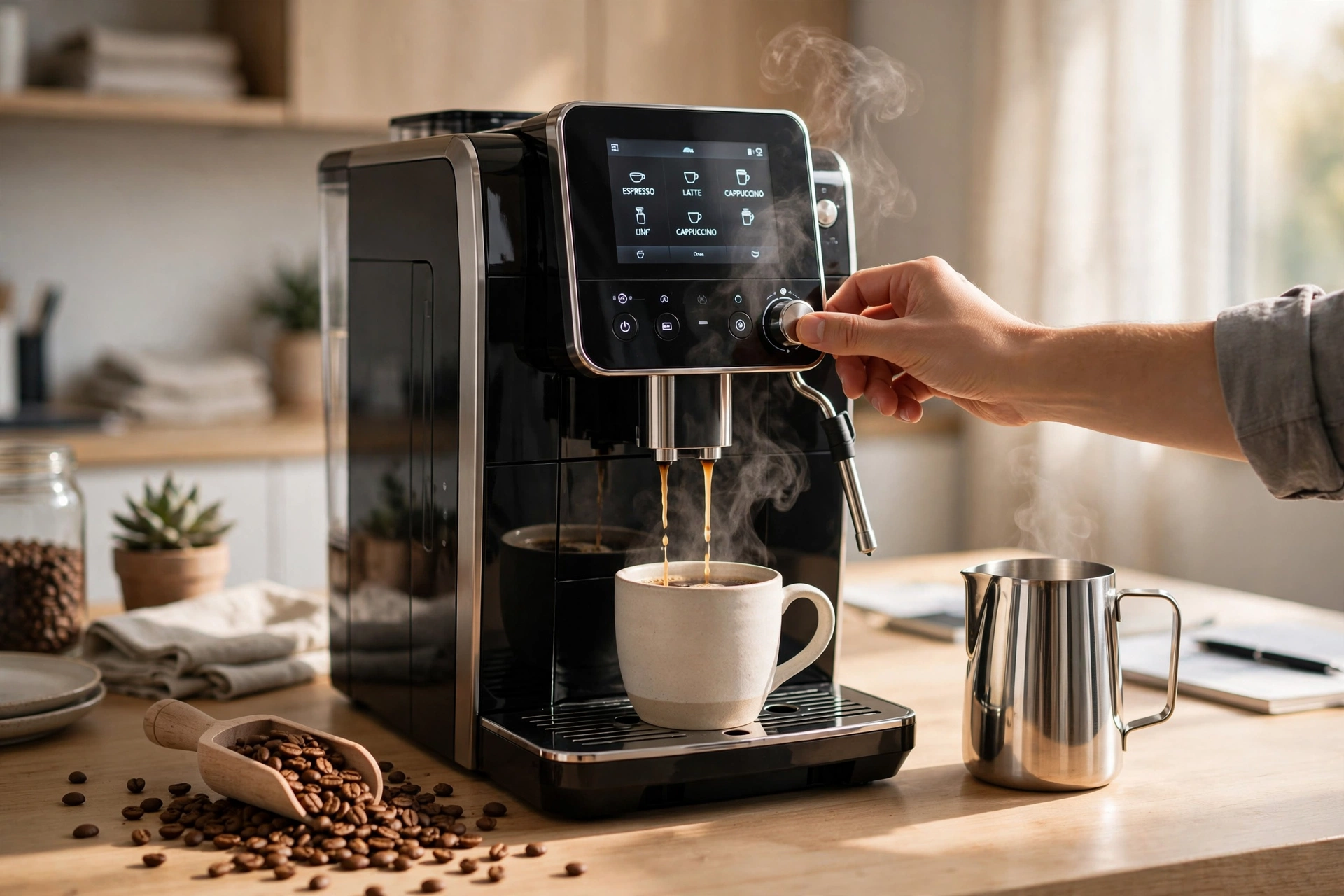
- Commercial espresso machines (often fully automatic or semi-automatic)
- Industrial coffee grinders for precise dosing
- Water filtration systems (since water quality directly affects taste)
- Specialty-grade coffee beans sourced from reputable roasters
- Ongoing technical support and preventative maintenance
- Staff training to ensure drinks are made correctly
The Specialty Coffee Association (SCA) has established standards for everything from water quality to brewing temperature. Commercial equipment from brands like La Marzocco, Rancilio, or Nuova Simoncelli is built to withstand hundreds of shots per day—a far cry from consumer units. In my experience working with over a hundred restaurants, the single most common mistake is buying consumer-grade gear and expecting it to perform in a commercial setting.
💡
Key Takeaway
Your coffee solution is only as strong as its weakest link—cheap equipment ruins the best beans, and bad beans ruin the best machine.
De acordo com relatórios recentes do setor de the National Restaurant Association's 2025 State of the Industry report, 68% of operators ranked coffee quality as a top factor in customer satisfaction. Yet only 1 in 3 have a formal coffee program in place. That gap represents a massive opportunity for differentiation.
Why Restaurant Coffee Solutions Matter
Coffee isn't just a beverage in a restaurant—it's often the first and last impression a guest has. A poorly made cup can sour an entire dining experience. Conversely, exceptional coffee increases check size and repeat visits. Data from Technomic shows that 60% of diners say they would visit a restaurant more often if the coffee was better.
The business case is straightforward:
- Profit margins on coffee are high—a quality cup can cost $0.30 to $0.60 to produce (beans, milk, cup, labor) and sell for $3–$5.
- Coffee drives incremental visits—morning and after-dinner coffee rituals bring people in.
- Operational efficiency improves—modern solutions reduce waste, improve speed of service, and cut down on rewashed drinks.
Without a structured approach, restaurants face inconsistent quality, frequent machine breakdowns, and higher labor costs. I've seen operators lose $500+ per month just in wasted milk and bad shots because their grinder wasn't calibrated.
For a deeper dive into the economics, check out our guide on how much does craft coffee cost. It breaks down the true cost of a cup, including hidden variables like equipment depreciation and staff time.
Practical Application: How to Implement Restaurant Coffee Solutions
Let me walk you through the process I've refined over years of consulting with restaurants, cafes, and hotels. These steps will help you move from "coffee as an afterthought" to "coffee as a profit center."
Step 1: Assess Your Volume and Needs
Calculate your daily coffee output. A busy diner serving 200 cups a day needs a different setup than a fine-dining establishment serving 40 after-dinner espressos. Consider:
- Peak hour drink volume (e.g., 50 drinks per hour)
- Drink types (espresso-based, drip coffee, pour-over, cold brew)
- Available counter space and electrical capacity
Step 2: Choose the Right Equipment
For high-volume operations (200+ cups/day), a dual-group automatic espresso machine paired with a commercial grinder is the standard. For lower volume, a single-group machine may suffice.
Step 3: Source Specialty-Grade Beans
Don't settle for commodity-grade beans. Specialty-grade (SCA score 80+) ensures flavor, consistency, and traceability. Look for roasters who offer consistent profiles year-round. Here's where how to buy specialty coffee beans can help you vet suppliers.
Step 4: Set Up a Maintenance Schedule
Equipment breakdowns are costly—both in lost revenue and guest dissatisfaction. Self-serve solutions often require you to track maintenance, while managed services handle it for you.
💡
Key Takeaway
The best restaurant coffee solutions bundle equipment, beans, and maintenance into one predictable monthly fee—eliminating surprise repair bills and supply chain headaches.
Step 5: Train Your Staff
Even the best equipment produces mediocre drinks if the staff doesn't understand dialing in, puck prep, and cleaning. Many providers include training sessions. For instance, Busy Bean Coffee's managed coffee memberships include onsite training plus ongoing support.
Step 6: Monitor and Adjust
Use sales data and guest feedback to refine your offering. Are pour-over items popular? Maybe add more single-origin options. Is cold brew selling out? Scale production.
For a closer look at how the entire managed model works, read how managed coffee services work. It explains how restaurants offload the operational burden and focus on their core business.
Comparison: DIY vs. Managed Restaurant Coffee Solutions
| Option | Pros | Cons | Best For |
|---|---|---|---|
| DIY (Buy equipment + beans separately) | Full control over every choice; lower upfront cost if you shop carefully | Requires expertise to select, install, and maintain; high risk of poor quality; no integrated support; multiple vendors to manage | Small cafes/restaurants with owner expertise in coffee; low volume (under 100 cups/day) |
| Managed Coffee Service (e.g., Busy Bean Coffee) | Single vendor; predictable monthly cost; professional equipment installation; full maintenance coverage; premium beans included; staff training | Less flexibility to switch brands weekly; contract length typical (12–24 months) | Medium to high volume restaurants (100–500+ cups/day); lack of internal coffee expertise; desire for consistency and reduced hassle |
| Leased equipment from a broad-line distributor | Often zero upfront cost; equipment can be upgraded periodically | Limited bean quality; basic service; hidden fees for repairs; no training | Operators primarily focused on food who see coffee as a minor add-on |
In my experience, restaurants with 150+ cups per day overwhelmingly benefit from a managed service. The reduced downtime and consistent quality more than offset the monthly fee. For lower volumes, a carefully chosen DIY approach can work, but you still need to invest in proper equipment and training.
Common Questions & Misconceptions
Misconception 1: "All commercial coffee machines are basically the same."
Not even close. The difference between a $2,000 consumer machine and a $12,000 commercial unit is night and day—build quality, temperature stability, steam power, and durability. A cheap machine will break under commercial use within months.
Not even close. The difference between a $2,000 consumer machine and a $12,000 commercial unit is night and day—build quality, temperature stability, steam power, and durability. A cheap machine will break under commercial use within months.
Misconception 2: "You can use any bean in an automatic machine."
Automatic grinders need consistent bean density and moisture content. Switching beans without recalibrating leads to under- or over-extraction. Many managed services maintain a curated bean selection to avoid this issue.
Automatic grinders need consistent bean density and moisture content. Switching beans without recalibrating leads to under- or over-extraction. Many managed services maintain a curated bean selection to avoid this issue.
Misconception 3: "Maintenance is optional if you clean daily."
Daily cleaning is essential, but preventative maintenance (descaling, replacing gaskets, calibrating grinders) is equally important. Skip it and you'll face expensive emergency repairs. According to the Specialty Coffee Association, preventative maintenance can double the life of commercial espresso machines.
Daily cleaning is essential, but preventative maintenance (descaling, replacing gaskets, calibrating grinders) is equally important. Skip it and you'll face expensive emergency repairs. According to the Specialty Coffee Association, preventative maintenance can double the life of commercial espresso machines.
Misconception 4: "Coffee programs only matter in breakfast spots."
Data from NPD Group shows that 43% of coffee consumption in restaurants happens outside breakfast hours. Lunch and dinner guests order espresso drinks and after-dinner coffee. A poor evening coffee experience undermines the entire meal.
Data from NPD Group shows that 43% of coffee consumption in restaurants happens outside breakfast hours. Lunch and dinner guests order espresso drinks and after-dinner coffee. A poor evening coffee experience undermines the entire meal.
Frequently Asked Questions
How does a restaurant coffee service provider operate?
A typical provider acts as a single point of contact for equipment, beans, and service. They assess your volume, install commercial-grade machinery (often including the machine, grinder, and water filtration), and supply specialty beans on a recurring schedule. Maintenance visits are included, so you call one number if something breaks. Some providers, like Busy Bean Coffee, offer all-inclusive managed memberships that cover everything for one monthly fee—no surprise bills.
What equipment is included in a restaurant coffee solution?
Most solutions include a commercial espresso machine (fully automatic or semi-automatic), a commercial grinder, a water filtration system, and sometimes a drip brewer or cold-brew tower. The specific models depend on your volume and drink menu. Higher-volume setups might include dual-group machines and bulk hoppers. The provider installs everything and makes sure it's properly configured.
How much does a restaurant coffee solution cost?
Costs vary widely. A DIY purchase of commercial equipment can range from $5,000 to $20,000 upfront, plus monthly bean costs of $200–$800. Managed services typically charge a monthly fee of $400–$1,500 that includes equipment, beans, maintenance, and support. When you factor in eliminated repair costs and reduced waste, many restaurants find the managed model saves money over three years. See our cafe equipment supply prices guide for detailed benchmarks.
How do I choose the right coffee supplier for my restaurant?
Start by evaluating their bean quality (ask for SCA scores or cupping notes), their equipment selection, and their service response time. Read reviews from other restaurants. Most importantly, ask about their training program—without it, you'll get inconsistent results. Look for providers who prioritize specialty grade beans and offer a trial period or sample program.
Can I upgrade my coffee program without a large upfront investment?
Yes, through a managed coffee service. These providers provide and install the equipment at no upfront cost; you pay a monthly fee. This allows you to start with premium machinery without the capital expenditure. It's a popular path for restaurants wanting to improve coffee quality without tying up cash.
Summary + Next Steps
A successful restaurant coffee solution doesn't happen by chance. It requires the right equipment, quality beans, proper maintenance, and trained staff. Whether you choose a DIY approach or a managed service, the principles are the same: assess your volume, invest in commercial-grade gear, source specialty beans, and stay on top of maintenance.
The fastest and most predictable path for most restaurants is a managed coffee solution. Busy Bean Coffee offers all-inclusive managed memberships for foodservice businesses—premium SENSA equipment, professional installation, full maintenance, and exclusive product pricing for one predictable monthly fee. No capital expense, no hassle, just great coffee.
Visit Busy Bean Coffee to explore how we can transform your coffee program.
About the Author
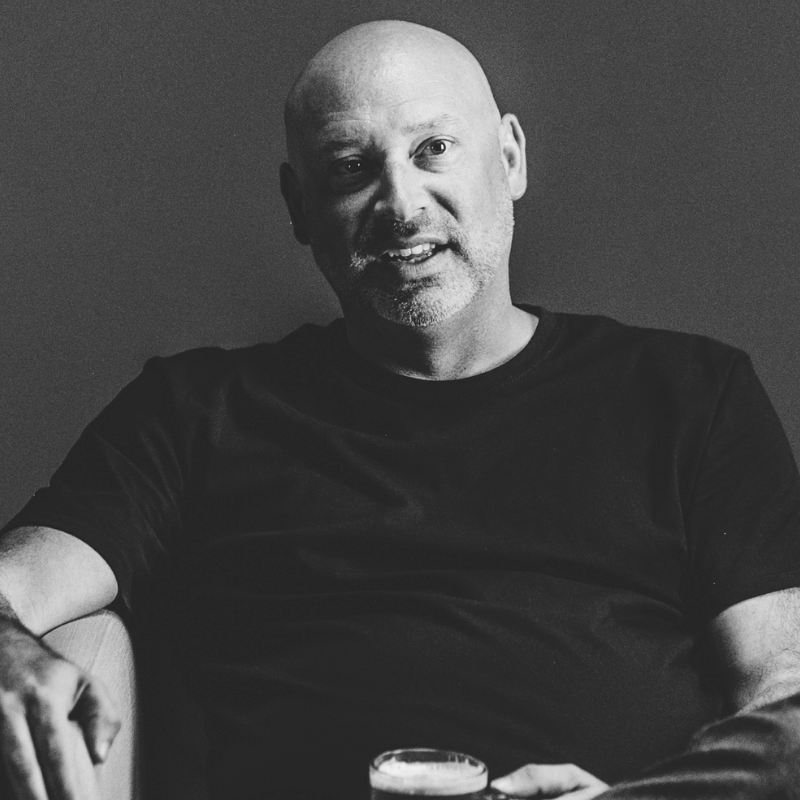
Travis Estes is the Founder of Busy Bean Coffee. With over a decade of experience in specialty coffee and foodservice, he has helped hundreds of restaurants, hotels, and offices implement professional coffee solutions that delight customers and improve profitability.
Free Coffee Pairing Guide & Specialty Roast Cheat Sheet
Unlock the secrets of perfect brewing ratios, water temperatures, and specialty roast profiles. Download the guide.