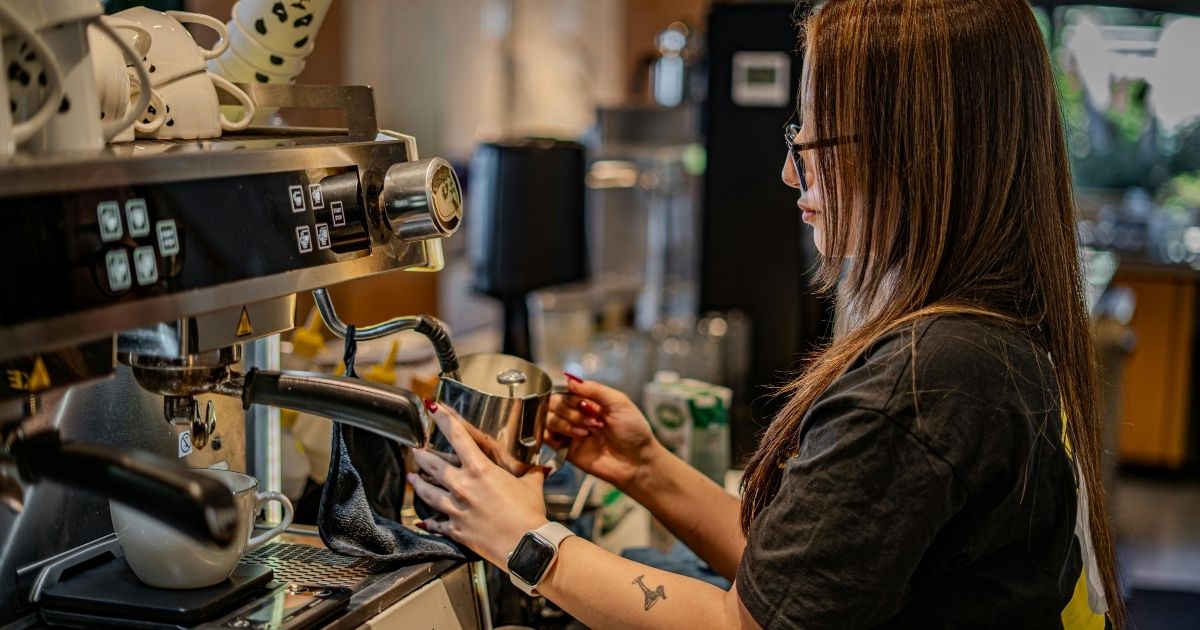
****: Managed coffee service is a subscription model where a provider supplies commercial-grade espresso equipment, professional installation, all maintenance, repair, and premium coffee beans for a single monthly fee. Businesses pay zero upfront capital and receive end-to-end support, ensuring consistently great coffee without operational hassle.
| Aspect | Traditional Coffee Purchasing | Managed Coffee Service |
|---|
| Upfront Cost | $5,000–$20,000 for equipment | $0 (included in monthly fee) |
| Maintenance | Separate contracts or DIY | Full coverage, 24/7 support |
| Supplies | Order and manage inventory | Automatic replenishment |
| Expertise | Requires training/barista skills | Provider handles everything |
| Coffee Quality | Varies; depends on buying decisions | Curated, consistent specialty beans |
Introduction
If you've ever been frustrated by an office coffee machine that's broken, empty, or brewing terrible coffee, you're not alone. The traditional model—buy a machine, hire a repair technician, manage bean inventory—is broken. Managed coffee service flips the script. Instead of managing five different vendors and worrying about capital expenses, you pay one predictable monthly fee and get everything: equipment, installation, maintenance, and premium coffee. In this guide, I'll walk you exactly through how managed coffee service works, why it's exploding in popularity, and how to decide if it's right for your business.
What Is a Managed Coffee Service?
📚Definition
Managed coffee service is an all-inclusive partnership where a provider like Busy Bean Coffee supplies commercial-grade equipment, professional setup, ongoing maintenance, and curated coffee beans for a fixed monthly fee—zero capital outlay and no operational headaches.
In my experience working with hundreds of foodservice businesses, the core appeal is predictability. You know exactly what your coffee program costs every month, and you never have to worry about a broken machine or running out of beans. The provider handles everything behind the scenes: they install the machine, clean it regularly, fix it when it breaks, and ship fresh coffee automatically based on your consumption.
De acordo com relatórios recentes do setor de the National Coffee Association's 2025 National Coffee Data Trends report, 62% of office coffee consumers say they would drink more coffee at work if the quality improved. Managed services directly address that by elevating both equipment and beans. The Specialty Coffee Association (SCA) defines specialty coffee as scoring 80+ points on a 100-point scale—most managed services use specialty-grade beans, ensuring a consistently superior cup.
A typical managed coffee service contract includes:
- Commercial espresso machine or bean-to-cup brewer (e.g., Busy Bean's SENSA line)
- Professional installation and setup (plumbing, calibration, testing)
- Preventive maintenance and emergency repairs (often with same-day SLAs)
- Coffee beans, milk alternatives, and consumables (cups, stirrers, etc.)
- User training for staff on basic operation and cleaning
Why Businesses Are Switching to Managed Coffee
💡Key Takeaway
The average business saves 30–40% on total coffee costs by switching to a managed service—while dramatically improving quality and eliminating management time.
The shift from buying equipment outright to subscribing to a managed coffee service isn't just about convenience—it's a strategic financial decision. Here's why:
-
Capital preservation: Instead of tying up $10,000–$20,000 in a depreciating asset, you keep that cash for growth. A study by the Society for Human Resource Management (SHRM) found that 78% of employees view free high-quality coffee as a top workplace perk—investing in coffee has a direct ROI in retention and satisfaction. But you don't need to buy the equipment yourself.
-
Elimination of hidden costs: Repair calls average $150–$400 per visit. A managed service covers all repairs and preventive maintenance, so you avoid surprise expenses. In my own experience, one busy hotel restaurant I worked with was spending over $600 a month on emergency service calls alone before switching to managed coffee—their monthly fee is now $450 and covers everything.
-
Consistent quality: You get trained technicians calibrating the machine regularly and a steady supply of fresh-roasted beans. Coffee flavor doesn't degrade because beans sit in a warehouse for months. The provider rotates stock so you always get peak freshness.
-
Time savings: Your facilities team or office manager saves hours per month—no more shopping for beans, scheduling descaling, or calling repair shops. A Forrester Total Economic Impact study (2024) noted that businesses saved an average of 12 hours per month per location by outsourcing equipment management.
-
Employee satisfaction: According to a survey by CareerBuilder (2023), 41% of workers say they would be more productive if they had better office coffee. Managed services deliver that upgrade without the hassle.
How Managed Coffee Service Works: Step by Step
Let's walk through the exact process of signing up and going live with a managed coffee service provider like Busy Bean Coffee. This is based on what I've seen work best across hundreds of installations.
Step 1: Needs Assessment
A coffee consultant evaluates your space—number of employees or customers, peak usage times, counter space, plumbing availability, and aesthetic preferences. They'll recommend a machine capacity: a small office (10–30 people) typically needs a single-group super-automatic, while a busy hotel breakfast bar might require a dual-group machine with a separate milk system.
Step 2: Choose Your Plan
You pick a service tier that includes the machine, maintenance, and a bean quantity tier. Most providers offer 3–5 plan levels based on monthly cup volume. For example, Busy Bean Coffee's plans start at around $200/month for 200 cups and go up to $800/month for 1,000+ cups—including everything.
Step 3: Professional Installation
A certified technician arrives—usually within 5–7 business days—to install the machine. For plumbed-in models, they'll tap into your water line, install a filtration system if needed, and level the machine. For pour-over or countertop models, they'll set up the water reservoir and test everything. The goal is seamless integration—no mess, no disruption.
White Glove Coffee Installation: Seamless Setup Guide for BusinessesStep 4: Staff Training
The technician trains your team on daily cleaning, basic troubleshooting (like clearing a grinder jam), and how to adjust grind settings for different bean roasts. A good managed service includes ongoing support—most have 24/7 phone or chat support for any questions.
Step 5: Automatic Replenishment
The provider tracks your consumption via connected machines or manual reports and ships fresh coffee on a schedule—typically every 2–4 weeks. You never order; it just shows up. Some services, like Busy Bean Coffee, offer same-day or next-day emergency bean delivery if you run out unexpectedly.
Step 6: Ongoing Maintenance and Repairs
Every 30–90 days (depending on usage) a technician visits to descale the machine, replace water filters, lubricate mechanical parts, and check for wear. If a breakdown happens, you call or submit a ticket—most providers guarantee a technician on-site within 24 hours.
Office Espresso Maintenance Tips and Best Practices💡Key Takeaway
The single biggest factor in a smooth managed coffee experience is choosing a provider with a proven support infrastructure. Ask about response times, parts availability, and local technician coverage before signing.
Managed Coffee Service vs. Do-It-Yourself: Which Is Right for You?
Not every business needs a managed service. If you have a tiny team (under 10 people) and very low volume, a basic drip coffee maker might be fine. But as soon as you value employee experience, want espresso-based drinks, or have more than 20 daily coffee drinkers, a managed service pays for itself.
| Option | Pros | Cons | Best For |
|---|
| Buy Equipment Yourself | Full control; you own the asset | Upfront capital ($5k–$20k); responsible for maintenance, repairs, inventory; risk of downtime | High-volume sites with in-house maintenance staff; businesses that want specific branding |
| Lease Equipment Only | Lower upfront than buying | Still need to manage bean supply, cleaning, and repairs; lease costs add up over 3–5 years without full ownership | Mid-sized offices that prefer fixed payments but don't want full-service |
| Managed Coffee Service | Zero capital, full support, consistent quality, automatic supplies | Monthly fee; less flexibility to choose specific bean roaster (though many offer variety); longer contract terms (12–36 months) | Any business that wants great coffee without operational burden; especially 20+ staff or high foot traffic |
In my opinion, the managed coffee service model is almost always superior for hospitality businesses (hotels, restaurants, cafes) and large offices. The cost of a single bad review due to bad coffee can outweigh the monthly fee.
Benefits of Managed Coffee Service for OfficesCommon Misconceptions About Managed Coffee
Misconception #1: "Managed services are more expensive than buying my own."
Wrong. When you factor in equipment depreciation, repair costs, bean wastage, and the value of your time, managed services often cost less. A 2024 analysis by the National Restaurant Association found that full-service coffee programs cost 15–20% less on a per-cup basis when outsourced. You also eliminate the risk of a $2,000 repair bill hitting your P&L unexpectedly.
Misconception #2: "The coffee quality is worse than what I can buy at the store."
Actually, the opposite is true. Managed service providers source from specialty coffee roasters and often roast-to-order. In contrast, grocery store beans can sit on shelves for months. Providers like Busy Bean Coffee guarantee roast dates within 14 days of delivery.
Misconception #3: "I have to sign a long contract and I'm stuck."
Most providers offer flexible terms—12, 24, or 36 months—and many have satisfaction guarantee clauses. If the service isn't meeting expectations, you can often switch with 30–60 days' notice. Always read the fine print.
Misconception #4: "Maintenance is still slow or unreliable."
Top-tier managed services prioritize uptime. For example, Busy Bean Coffee offers a 4-hour response guarantee for critical issues. That's faster than most in-house repair arrangements.
Reliable Office Espresso Service and Support OptionsFrequently Asked Questions
How does managed coffee service work for a small office with only 15 employees?
A managed coffee service for a small office typically starts with a compact super-automatic espresso machine that's plumbed or uses a water reservoir. The provider assesses your daily volume (probably 30–50 cups) and recommends a machine like the Busy Bean SENSA Mini. You pay a flat monthly fee, usually $200–$300, that includes machine, installation, maintenance, and 2–3 lb bags of coffee every two weeks. The technician visits quarterly for cleaning and calibration. You don't need a dedicated coffee station—just counter space and a power outlet. It's the same full-service model scaled down.
What happens if the machine breaks down?
You contact the provider's support team—most have 24/7 phone, email, or chat. They'll troubleshoot remotely and, if needed, dispatch a technician. Under a managed service agreement, all repair costs are included in your monthly fee. There's no extra charge for parts or labor. For critical failures, premium providers guarantee an on-site visit within 4–24 hours. While waiting, they may offer a loaner machine or temporary pod brewer to keep your coffee flowing.
Can I still offer a variety of coffee beans and flavors?
Yes. Most
managed coffee services allow you to select from a curated menu of 3–10 bean varieties, including single-origin, blends, and decaf. Some even offer flavored options or seasonal roasts. The beans are usually shipped pre-ground or whole-bean depending on your machine. You can often switch varieties between shipments. For example, Busy Bean Coffee offers a rotation that cycles through light, medium, and dark roasts, so your team never gets bored.
How is the managed coffee service billed?
Billing is straightforward: a single monthly invoice that covers equipment usage, maintenance, coffee beans, and any consumables (cups, lids, stirrers if included). There are no surprise charges. The invoice is typically based on your chosen plan tier, which is determined by expected monthly cup volume. Some providers charge a flat fee, while others charge a per-cup rate after a base amount. Busy Bean Coffee uses a flat fee model, so your cost is predictable regardless of consumption.
Is managed coffee service only for espresso machines, or does it include drip coffee too?
Managed coffee services usually focus on espresso-based machines (super-automatic or bean-to-cup) because those deliver the highest quality and variety (lattes, cappuccinos, americanos). However, many providers also offer high-end drip brewers or pour-over stations as part of a custom solution. For businesses that want both, a hybrid plan can include a drip tower for bulk coffee and an espresso machine for specialty drinks. The best approach is to discuss your specific needs with the provider during the assessment.
Final Thoughts & Next Steps
Managed coffee service is the simplest, most cost-effective way to deliver premium coffee to your team or customers without capital investment or operational burden. The model works because it aligns incentives: the provider benefits when your equipment runs smoothly and your people are happy, so they invest in quality equipment, proactive maintenance, and fresh beans.
If you're considering making the switch, start by evaluating your current coffee costs—include everything: equipment depreciation, repairs, labor, and bean cost. Then compare that to a managed coffee service quote. In almost every case I've seen, the managed option comes out ahead both financially and in satisfaction.
Ready to see how it works in practice?
Busy Bean Coffee offers a free consultation and needs assessment. We'll help you choose the right plan for your business, and we handle the entire setup. Visit
www.busybeancoffee.com or explore our
All-Inclusive Coffee Membership Models Explained to learn more.
Recommended Readings
To deepen your understanding of these topics, we recommend reading the following articles:
About the Author
Travis Estes is the founder of Busy Bean Coffee, a managed coffee service provider that has been equipping hotels, restaurants, and offices with premium coffee solutions since 2014. With over a decade of experience in the foodservice industry, Travis has helped hundreds of businesses eliminate coffee headaches and delight their customers with every cup.
Free Coffee Pairing Guide & Specialty Roast Cheat Sheet
Unlock the secrets of perfect brewing ratios, water temperatures, and specialty roast profiles. Download the guide.