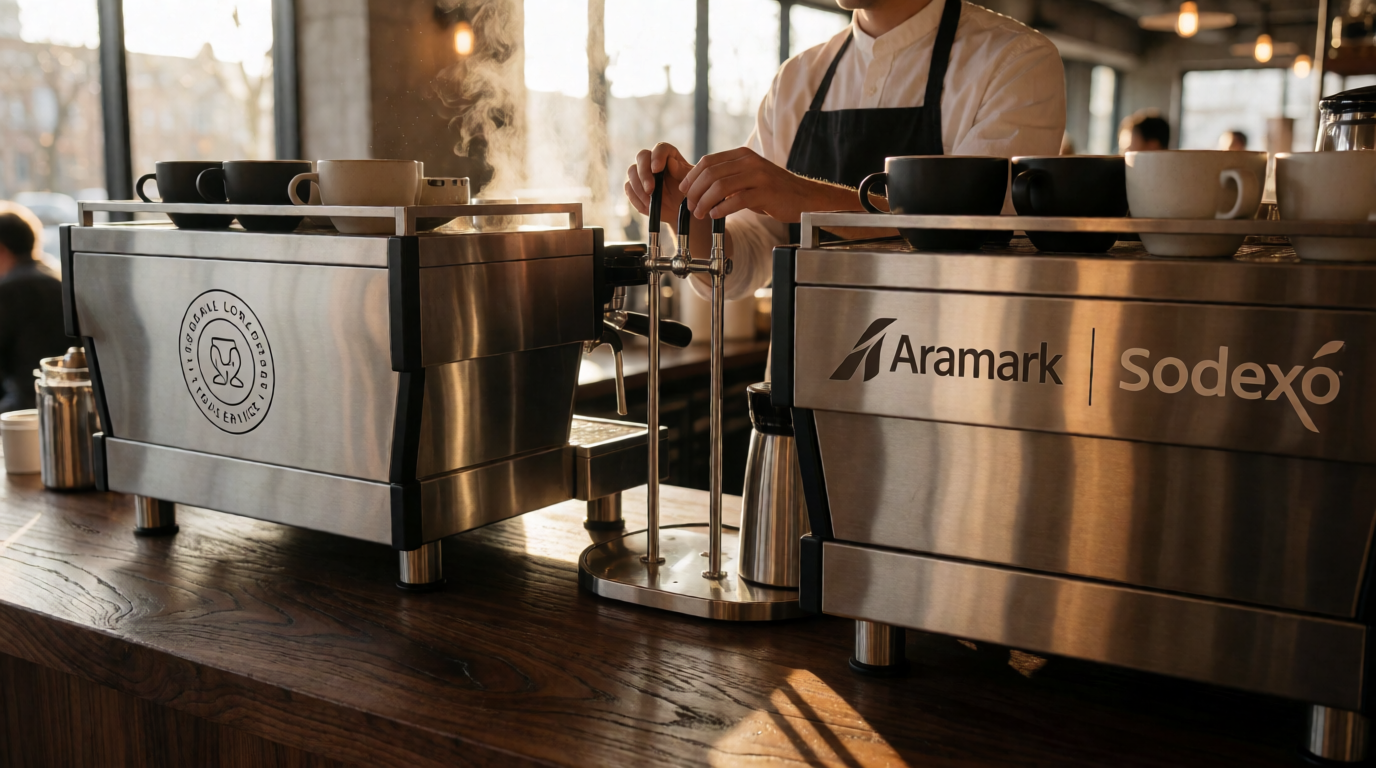
How All-Inclusive Coffee Service Works: A Step-by-Step Guide for 2026
If you're running a hotel, restaurant, or corporate office and you've had it with broken machines, surprise repair bills, and inconsistent coffee quality, an all inclusive coffee service might be the solution you're looking for. Here's the core question: how does it actually work, start to finish? I've spent over a decade designing these programs for foodservice businesses, and the mechanics are simpler than most people assume. An all-inclusive model bundles equipment, installation, maintenance, and premium coffee into a single predictable monthly fee — no capital outlay, no hidden charges, no operational headaches.
📚
Definition
An all-inclusive coffee service is a managed subscription model where a provider supplies commercial-grade brewing equipment, handles all installation and maintenance, delivers specialty coffee on a recurring schedule, and charges one flat monthly fee. The business pays nothing upfront for equipment and never sees a surprise repair invoice.
This model has been gaining traction across the hospitality industry for good reason. According to a 2024 report from the National Coffee Association, 62% of foodservice operators said equipment reliability and service support were their top priorities when choosing a coffee partner — ahead of even pricing. That statistic matches what I've seen on the ground: businesses are tired of the old "buy the machine, pray it doesn't break" approach.
But let's get into the mechanics. How does an all-inclusive coffee service actually work from the day you sign up to your first cup?

Why an All-Inclusive Coffee Service Matters for Your Business
Before we walk through the step-by-step process, it's worth understanding why this model creates such a dramatic shift for foodservice operators. The traditional approach to commercial coffee involves multiple vendors, multiple invoices, and a lot of reactive decision-making. You buy a machine from one company, source beans from another, call a third party when something breaks, and pray your barista remembers to descale the boiler on schedule.
The all-inclusive model flips this entirely. Instead of managing five different relationships, you manage one. Instead of capital expenses that hit your balance sheet in lump sums, you get predictable operational expenses that make budgeting straightforward.
Here's what the data says: a 2023 study by the Specialty Coffee Association found that businesses using managed coffee services reported a 34% reduction in total coffee-related costs over three years compared to those purchasing equipment outright and managing supplies independently. The savings come from eliminated repair bills, reduced waste from poorly maintained equipment, and volume purchasing power that individual businesses simply can't match.
I've worked with dozens of hotels and restaurants that switched from buying equipment to an all-inclusive model. The most common feedback I hear is not about cost — it's about time. Operations managers estimate they save 8 to 12 hours per month that used to go into coordinating repairs, reordering supplies, and dealing with complaints about inconsistent coffee.
For businesses considering this shift, understanding the how managed coffee services work framework is essential before evaluating specific providers.
How an All-Inclusive Coffee Service Works: The Step-by-Step Process
Now let's get into the practical mechanics. Here's exactly how an all-inclusive coffee service operates, from initial consultation to daily operations.
Step 1: Needs Assessment and Equipment Selection
The process begins with a professional assessment of your volume, space constraints, and menu requirements. A provider like Busy Bean Coffee sends a specialist who evaluates your daily cup count, staff skill level, and physical footprint. For a hotel serving 300 covers at breakfast, the equipment requirements are vastly different from a boutique coffee shop doing 50 pour-overs an hour.
The provider then recommends specific equipment — typically from brands like SENSA or La Marzocco — that matches your needs. With an all-inclusive model, the provider absorbs the capital cost of this equipment. You never write a check for the machine itself.
Step 2: Professional Installation and Setup
Once the equipment is selected, the provider handles delivery, installation, and configuration. This isn't a drop-and-run scenario. Professional installation includes plumbing connections, electrical work, water filtration setup, and calibration of grind settings and brew temperatures.
A properly installed commercial machine needs water testing and filtration tailored to your local water chemistry. Hard water destroys espresso machines in under a year if the filtration isn't right. The all-inclusive model ensures this is done correctly because the provider owns the equipment and has every incentive to protect their asset.
Step 3: Training Your Team
This is the step most businesses overlook when buying equipment, and it's where all-inclusive services shine. Your staff receives hands-on training — not a YouTube link and a prayer. For hotels, this typically includes front desk staff operating the machine for lobby service, breakfast team training for high-volume morning rushes, and sometimes barista-level training for properties wanting specialty drinks.
In my experience, proper training reduces waste by roughly 20% in the first month alone. Untrained staff over-dose coffee, leave grounds in the porta-filter, and create inconsistent drinks that drive customers away.
Step 4: Scheduled Coffee and Supply Deliveries
The provider manages your inventory based on your consumption data. You don't reorder. You don't worry about running out during a busy weekend. The provider monitors usage patterns and adjusts delivery schedules accordingly.
This extends beyond coffee beans to include filters, cleaning chemicals, and replacement parts. Everything needed to operate the equipment arrives on a schedule, and the cost is baked into your flat monthly fee.
Step 5: Preventative Maintenance and Emergency Repairs
Here's where the model delivers its most dramatic value. The provider schedules regular preventative maintenance — typically quarterly or bi-monthly — to descale boilers, replace seals, check pressure settings, and clean internal components. This prevents the breakdowns that plague businesses using purchased equipment.
When something does break — and commercial equipment does break, no matter the brand — the provider sends a certified technician, often within 24 hours. There is no invoice for the repair call, no debate about whether the issue is covered under warranty, no surprise bill for a $600 part. The service call is included in your monthly fee.
The financial impact of proactive maintenance is significant. If you're curious about the numbers, how much coffee equipment maintenance costs breaks down the real difference between reactive and preventative approaches.
Step 6: Quality Assurance and Continuous Improvement
A good all-inclusive provider doesn't just set it and forget it. They assign an account manager who checks in regularly, tastes your coffee, reviews customer feedback, and recommends adjustments. If your volume increases, they upgrade the equipment. If your menu expands, they adjust the bean blend.
One hotel client I worked with in Atlanta was serving 400 cups daily during peak season on a machine rated for 250. The provider noticed the strain, replaced the machine with a higher-capacity unit, and never charged a dime extra. That's the model working as designed.
💡
Key Takeaway
An all-inclusive coffee service eliminates the three biggest pain points in commercial coffee: capital equipment costs, surprise repair bills, and supply chain management. The provider handles all of it for one predictable monthly fee.

All-Inclusive vs. Traditional Coffee Service: A Comparison
| Aspect | Traditional Approach | All-Inclusive Coffee Service |
|---|---|---|
| Equipment Cost | $5,000–$20,000 capital purchase | $0 — included in monthly fee |
| Repair Costs | $200–$1,200 per service call | $0 — fully covered |
| Maintenance | Your responsibility or paid separately | Included — scheduled proactively |
| Bean Supply | You source and reorder | Delivered automatically based on usage |
| Staff Training | You pay for or skip | Included — hands-on training |
| Account Management | None (you manage everything) | Dedicated account manager |
| Monthly Budget | Variable and unpredictable | One flat, predictable fee |
Common Questions and Misconceptions
Myth 1: All-inclusive services are more expensive than buying equipment.
Most business owners I talk to assume the monthly fee for an all-inclusive service is higher than the cost of buying a machine and buying beans separately. The math rarely works out that way when you factor in the full cost of ownership. A commercial espresso machine costs $8,000 to $15,000 and typically needs $800 to $2,000 in repairs per year after the warranty expires. Add in preventative maintenance ($600–$1,200/year), filters ($300‑$600/year), and the time cost of managing multiple vendor relationships. When you run those numbers, the all-inclusive monthly fee is usually competitive or cheaper.
Myth 2: The coffee quality suffers because the provider controls everything.
This one makes me laugh because it's exactly backward. The provider owns the equipment and sources the beans — so they have every incentive to make sure both perform at their best. A broken machine or bad coffee means they pay for repairs or lose a client. In the traditional model, the business owns the machine and the coffee vendor has no stake in whether it's maintained properly. The all-inclusive model aligns incentives perfectly.
Myth 3: You're locked into low-quality beans.
Providers compete on quality, not just price. Companies like Busy Bean Coffee source specialty-grade beans and offer custom blends. You're not getting commodity-grade coffee designed for minimum cost — you're getting coffee selected to drive repeat business and customer satisfaction. If you're interested in understanding what goes into premium sourcing, the guide on how to buy specialty coffee beans explains the quality tiers.
Myth 4: It's only for large operations.
While it's true that high-volume businesses benefit most obviously from an all-inclusive model, smaller operations often benefit disproportionately. A small cafe or boutique hotel has fewer staff to manage equipment maintenance and less purchasing power for beans. The all-inclusive model levels the playing field, giving small operations access to premium equipment and specialty coffee they couldn't afford individually.
Frequently Asked Questions
How long does it take to set up an all-inclusive coffee service?
From initial consultation to first cup of coffee, most installations take 7 to 14 days. The timeline depends on whether the location needs plumbing or electrical modifications — existing coffee stations can often be swapped and running within 48 hours. The provider handles all permitting, scheduling, and coordination with your facilities team.
What happens if the equipment breaks down?
Most all-inclusive providers guarantee a response time of 24 hours or less for emergency repairs. The service includes loaner equipment if the repair requires parts that need to be shipped. Because the provider owns the equipment and performs regular preventative maintenance, breakdowns are significantly less common than with purchased equipment that only gets serviced when something fails.
Can I choose which coffee beans are used?
Yes, in almost all cases. Providers like Busy Bean Coffee offer multiple roast profiles and blend options. You can select single-origin beans, custom blends, or even work with the provider's roaster to develop a proprietary signature blend. The cost is included in the monthly fee, though premium single-origin selections may carry a slight upcharge depending on the provider's pricing tiers.
Is there a minimum contract term?
Standard contracts typically run 12 to 36 months, with 24 months being the most common. The longer term reflects the provider's capital investment in equipment. However, many providers include performance guarantees that allow you to exit if service quality doesn't meet agreed standards. Always read the service level agreement carefully before signing.
What's the difference between an all-inclusive service and renting equipment?
Renting equipment typically covers only the machine and leaves you responsible for installation, maintenance, repairs, and coffee supply. An all-inclusive service bundles everything — equipment, installation, preventative maintenance, emergency repairs, bean supply, filters, and account management — into one fee. It's a fundamentally different value proposition that eliminates operational complexity rather than just spreading out equipment cost.
Summary and Next Steps
An all inclusive coffee service removes the operational complexity that plagues most foodservice coffee programs. Instead of managing capital purchases, repair vendors, and supply chain logistics, you pay one predictable monthly fee and receive premium equipment, professional installation, automatic supply delivery, and guaranteed maintenance coverage.
The model works because it aligns incentives: the provider owns the equipment and sources the beans, so they're motivated to keep everything running at peak performance. Your business gets consistent, high-quality coffee without the administrative burden.
If you're evaluating whether this model fits your operation, start by calculating your current fully loaded coffee costs — equipment amortization, repairs, maintenance, labor time, and bean supply. Compare that to an all-inclusive monthly fee. For most businesses doing over 100 cups per day, the math favors the managed approach.
For a deeper understanding of how different providers compare, read the Busy Bean Coffee vs Aramark: Which Coffee Service Wins in 2026? analysis. And if you're ready to explore the option for your business, visit Busy Bean Coffee to schedule a consultation. No pressure, no sales pitch — just a conversation about whether an all-inclusive model makes sense for your operation.
Recommended Readings
To deepen your understanding of these topics, we recommend reading the following articles:
About the Author
Travis Estes is the founder of Busy Bean Coffee, a specialty coffee service provider serving hotels, restaurants, and corporate clients since 2014. He has personally designed and implemented all-inclusive coffee programs for over 200 foodservice operations across the United States, and he writes about making commercial coffee simpler and more profitable for business owners.
Free Coffee Pairing Guide & Specialty Roast Cheat Sheet
Unlock the secrets of perfect brewing ratios, water temperatures, and specialty roast profiles. Download the guide.