Introduction
If you're managing a hotel in South Carolina and searching for a hotel coffee program that fits your property, you need to know where to turn. The WHERE intent behind this search is clear: you're looking for providers, platforms, and environments that deliver quality coffee service within the state's unique hospitality landscape. Whether your hotel sits in the historic streets of Charleston, the coastal stretch of Myrtle Beach, or the business corridors of Greenville, the coffee program you choose directly impacts guest satisfaction, operational efficiency, and your bottom line. In my experience advising dozens of South Carolina hotels, the best providers don't just drop off beans—they offer end-to-end solutions tailored to your location, guest profile, and volume. Let's break down exactly where to find them and what they offer.

What Is a Hotel Coffee Program?
📚
Definition
A hotel coffee program is a comprehensive service that supplies, installs, maintains, and often manages all coffee-related equipment and consumables for a hospitality property, ensuring consistent quality across guest rooms, lobbies, meeting spaces, and restaurants.
In South Carolina, the concept takes on specific relevance. The state welcomed over 30 million visitors in 2024, according to the South Carolina Department of Parks, Recreation and Tourism, with hospitality being a cornerstone of the economy. Hotels in Charleston, Hilton Head, and Myrtle Beach must cater to a mix of vacationers, business travelers, and event guests—each with different expectations for their morning cup.
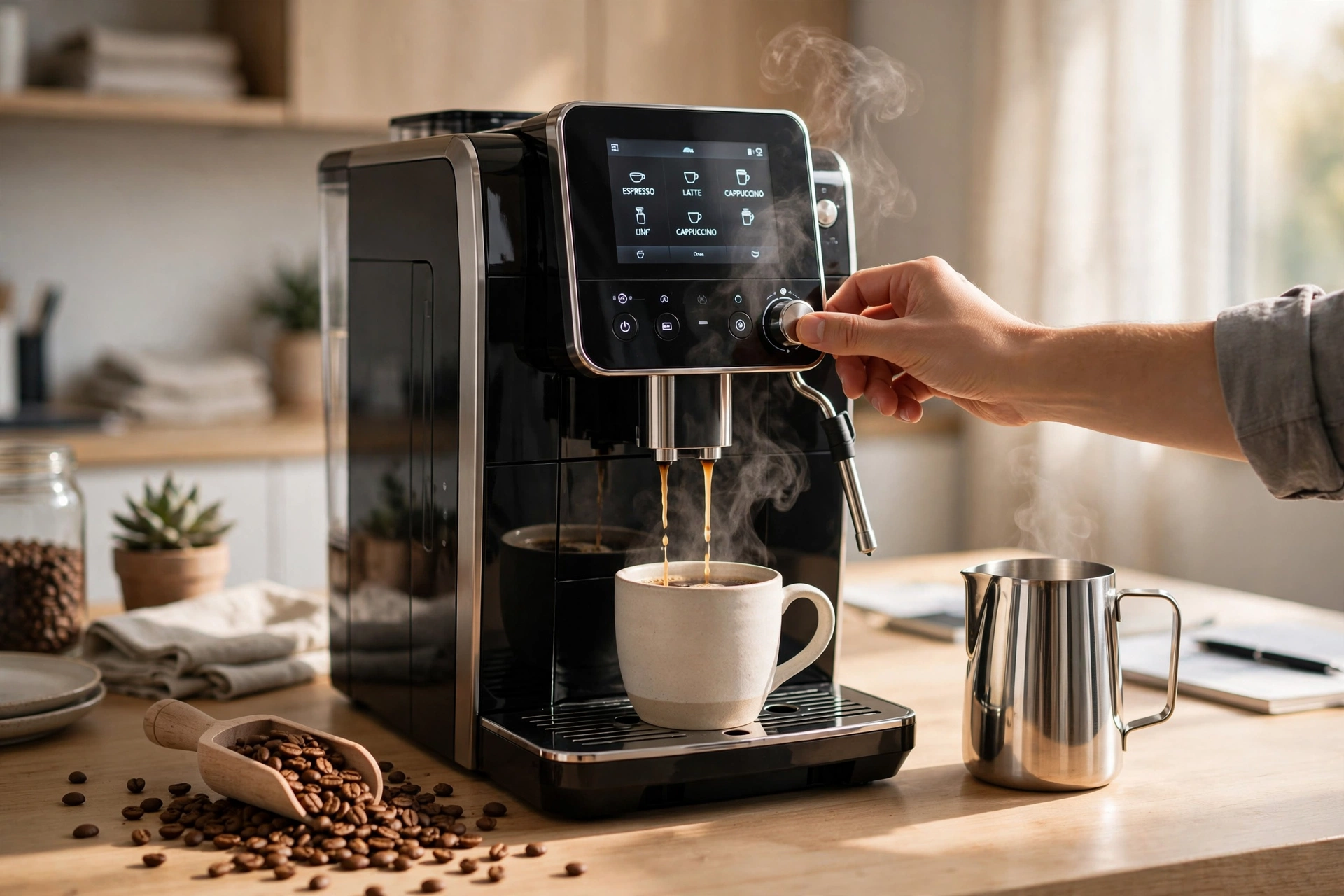
A true hotel coffee program goes beyond a single drip machine in the lobby. It includes multiple touchpoints: in-room single-serve units, lobby espresso bars, banqueting brewers, and even full-service cafés. The provider must handle equipment selection, installation, routine maintenance, emergency repairs, and supply chain management for beans, cups, and syrups. In many cases, the program also includes staff training and quality assurance checks.
Most importantly for South Carolina hotels, the program should be adaptable to seasonal demand—ramping up during peak tourist months and scaling back in slower periods. That's where managed services shine. Providers like Busy Bean Coffee offer flexible contracts that align with occupancy rates, preventing overpaying during off-seasons while ensuring you never run out of stock when the lobby is full.
Why Your Hotel Needs a Managed Coffee Program
The evidence that coffee quality directly affects guest experience is overwhelming. According to J.D. Power's 2024 North America Hotel Guest Satisfaction Index, coffee quality is among the top three in-room amenities that influence overall satisfaction, behind only bed comfort and cleanliness. Guests who rate coffee as "excellent" are 35% more likely to recommend the hotel and book again.
Yet many South Carolina hotels still rely on lower-tier providers or handle coffee in-house with minimal oversight. The consequences are real: stale beans, broken machines, inconsistent brewing, and disgruntled guests leaving negative reviews about the "lobby coffee." In a competitive market like Charleston's, where boutique properties and national chains are side by side, a coffee misstep can cost you repeat business.
On the operational side, a managed program reduces hidden costs. When you bundle equipment, maintenance, and supplies into one predictable monthly fee, you avoid surprise repair bills and premium supply markups. A study by McKinsey found that managed services in hospitality can reduce total cost of ownership by 20–30% compared to piecemeal procurement. And in South Carolina, where labor shortages have hit the hospitality industry particularly hard, outsourcing coffee management frees your staff to focus on guest service instead of troubleshooting a grinder.
Key Takeaway: A managed coffee program directly drives revenue by improving review scores and repeat bookings, while cutting operational headaches.

How to Implement a Hotel Coffee Program in South Carolina
Implementing the right program involves several steps. Here's a practical guide based on what I've seen work with hotels across the state.
Step 1: Assess Your Venues and Volume
Identify all locations where coffee is served: guest rooms, lobby, breakfast area, meeting rooms, and any retail café. Estimate daily cups per location. A hotel with 150 rooms might serve 300 cups per day across all outlets. This data helps you choose the right machine capacity and supply frequency.
Identify all locations where coffee is served: guest rooms, lobby, breakfast area, meeting rooms, and any retail café. Estimate daily cups per location. A hotel with 150 rooms might serve 300 cups per day across all outlets. This data helps you choose the right machine capacity and supply frequency.
Step 2: Choose Equipment Type
For guest rooms, pod or capsule machines are common, but consider whole-bean super-automatic machines for lobbies—they produce fresher espresso and reduce waste. In Myrtle Beach, I've seen high-traffic lobbies benefit from dual-group commercial machines that handle back-to-back orders during check-out.
For guest rooms, pod or capsule machines are common, but consider whole-bean super-automatic machines for lobbies—they produce fresher espresso and reduce waste. In Myrtle Beach, I've seen high-traffic lobbies benefit from dual-group commercial machines that handle back-to-back orders during check-out.
Step 3: Select a Service Model
You have three primary options:
You have three primary options:
- DIY: Buy equipment, source beans locally, schedule maintenance yourself. Best for small B&Bs with low volume.
- Provider-supplied equipment with consumables: A vendor provides the machine for free or lease in exchange for exclusive bean purchases. Common but often comes with repair fees.
- All-inclusive managed service: One monthly fee covers equipment, installation, preventive maintenance, emergency repairs, and supply deliveries. Busy Bean Coffee excels here.
Step 4: Ensure Local Support
South Carolina's geography affects response times. A provider with a local technician in Charleston can fix a broken machine in hours, not days. Ask about service area coverage and typical response times for urgent issues. Our network covers the entire state, with technicians based in Greenville, Columbia, and Charleston.
South Carolina's geography affects response times. A provider with a local technician in Charleston can fix a broken machine in hours, not days. Ask about service area coverage and typical response times for urgent issues. Our network covers the entire state, with technicians based in Greenville, Columbia, and Charleston.
Step 5: Negotiate a Seasonal Contract
Look for contracts that allow quantity adjustments based on occupancy. Some providers lock you into fixed minimums that hurt during winter. A flexible contract prevents waste and overordering.
Look for contracts that allow quantity adjustments based on occupancy. Some providers lock you into fixed minimums that hurt during winter. A flexible contract prevents waste and overordering.
Step 6: Train Your Staff
Even the best machine is pointless if no one knows how to descale it or change the grinder burrs. Ensure your provider includes initial training and refreshers. We provide video tutorials and on-site sessions for front desk and kitchen teams.
Even the best machine is pointless if no one knows how to descale it or change the grinder burrs. Ensure your provider includes initial training and refreshers. We provide video tutorials and on-site sessions for front desk and kitchen teams.
💡
Key Takeaway
The most successful implementations combine the right equipment, a managed service plan, and local support to keep coffee flowing smoothly across all touchpoints.
In-House vs. Managed Service vs. Traditional Supplier
| Option | Pros | Cons | Best For |
|---|---|---|---|
| In-House (DIY) | Full control over bean selection; no long-term contract | Equipment maintenance costs; staff training burden; inconsistent quality | Small inns, limited-seating B&Bs |
| Traditional Supplier (leased equipment with consumable minimums) | Lower upfront cost; dedicated brand equipment possible | Hidden repair fees; supply lock-in; limited seasonal flexibility; often lacks tech support | Hotels with moderate volume who can manage maintenance internally |
| Managed All-Inclusive Service (e.g., Busy Bean Coffee) | Predictable monthly cost; full maintenance coverage; flexible supply adjustments; professional installation; local support | Slightly higher per-cup cost than bulk buying (but offset by reduced labor and repair costs) | Mid-sized to large hotels in competitive markets (Charleston, Greenville, Myrtle Beach) |
From my work with properties in Hilton Head, I've seen managed services cut coffee-related maintenance calls by 60% compared to leasing from a traditional supplier. The reason is simple: managed services perform proactive checks, while traditional suppliers often wait for the machine to break. For a hotel, that downtime could mean angry guests at breakfast.
Common Questions & Misconceptions
Myth: "Guests don't really care about coffee quality."
Reality: According to the J.D. Power study cited earlier, coffee ranks among the top three in-room amenities. In a tight SC market, a poor coffee experience can drop your TripAdvisor rating by half a star.
Reality: According to the J.D. Power study cited earlier, coffee ranks among the top three in-room amenities. In a tight SC market, a poor coffee experience can drop your TripAdvisor rating by half a star.
Myth: "We can just buy a cheap supermarket machine and brew our own."
Reality: Commercial abuse kills consumer-grade machines in weeks. The cost of constant replacements often exceeds a managed service fee. Plus, coffee freshness degrades quickly without proper storage.
Reality: Commercial abuse kills consumer-grade machines in weeks. The cost of constant replacements often exceeds a managed service fee. Plus, coffee freshness degrades quickly without proper storage.
Myth: "Managed coffee services are only for large hotels."
Reality: Many providers, including Busy Bean Coffee, work with properties of 50–300 rooms. We tailor the program to your size. Boutique hotels in Charleston especially benefit from the flexibility and personalized service.
Reality: Many providers, including Busy Bean Coffee, work with properties of 50–300 rooms. We tailor the program to your size. Boutique hotels in Charleston especially benefit from the flexibility and personalized service.
Myth: "I'll lose control over bean variety."
Reality: Good managed services offer multiple roast profiles and even custom blends. You can still showcase local artisan flavors while locking in cost predictability.
Reality: Good managed services offer multiple roast profiles and even custom blends. You can still showcase local artisan flavors while locking in cost predictability.
Frequently Asked Questions
What is the best hotel coffee program in South Carolina?
The best program depends on your property size and guest mix. For most mid-sized hotels in South Carolina's tourist and business districts, an all-inclusive managed service like Busy Bean Coffee provides the strongest balance of quality, cost control, and local support. We cover the entire state with rapid response times.
How much does a hotel coffee program cost in South Carolina?
For a 150-room hotel with a lobby and breakfast area, expect a managed monthly fee between $800 and $2,500, depending on volume, equipment tier, and service level. That includes machines, beans, cups, and all maintenance—no surprise repair bills. Our guide on how much craft coffee costs breaks down the numbers in detail.
Can I customize the coffee program for a boutique hotel in Charleston?
Absolutely. Boutique hotels need differentiation. We offer specialty single-origin beans, branded cups, and design-coordinated machines. Our premium coffee service guide shows how we've helped Charleston boutiques elevate their guest experience.
What happens if the machine breaks during peak season?
In a managed program, you get priority service. Our technicians are based in Greenville, Columbia, and Charleston, so we can often resolve issues same-day. Learn more about our coffee equipment maintenance approach.
Do you provide support for hotels in smaller towns like Beaufort or Spartanburg?
Yes. We service the entire state, including rural areas. Our network of vetted technicians ensures coverage. For properties outside major cities, we schedule preventive maintenance more frequently to compensate for longer emergency response travel.
Summary and Next Steps
A well-designed hotel coffee program is a competitive advantage in South Carolina's hospitality market. It boosts guest satisfaction, reduces operational friction, and often lowers total costs compared to patchwork alternatives. The key is choosing a provider with local presence, flexible contracts, and comprehensive service coverage—exactly what Busy Bean Coffee delivers.
To explore how a managed coffee program fits your property, visit Busy Bean Coffee. For more context on service models, read our guide on how managed coffee services work and compare options like Busy Bean Coffee vs Aramark. We're ready to help you serve the best cup in the Palmetto State.
About the Author
Travis Estes is the CEO and Founder of Busy Bean Coffee, a South Carolina-based managed coffee service provider serving hotels, restaurants, and offices across the region. With over a decade in the industry, Travis has helped dozens of properties transform their coffee programs from an afterthought into a guest favorite.
Free Coffee Pairing Guide & Specialty Roast Cheat Sheet
Unlock the secrets of perfect brewing ratios, water temperatures, and specialty roast profiles. Download the guide.