
📖This article is part of the complete guide to Best Managed Coffee Service: Ultimate Guide for Businesses.
A recent audit of high-volume foodservice operations reveals a stark trend: the traditional 'buy a machine and hope for the best' model is dead. In my experience working with hotel and restaurant owners, the most common failure point isn't the quality of the bean, but the inconsistency of the execution. When a $15,000 espresso machine sits idle because a staff member forgot how to calibrate the grinder, that is a direct hit to the bottom line. The industry is shifting toward a model where the equipment, the beans, and the maintenance are bundled into a single, predictable operational expense.
For a comprehensive overview of how these models work, explore our guide on best managed coffee service.
What is the Future of Coffee Services Business?
📚
Definition
The future of coffee services business refers to the transition from transactional equipment sales to 'Coffee-as-a-Service' (CaaS), integrating IoT-enabled hardware, specialty-grade roasting, and predictive maintenance into a monthly membership model.
The future of coffee services business is defined by the removal of capital expenditure (CapEx) and the elimination of operational friction. Instead of purchasing an expensive espresso machine and paying for reactive repairs, businesses are moving toward managed memberships. In this model, a provider like Busy Bean Coffee supplies the high-end SENSA equipment, manages the coffee roasting, and handles all technical maintenance for a flat monthly fee. This ensures that the quality of every cup remains constant, regardless of staff turnover or technical glitches.
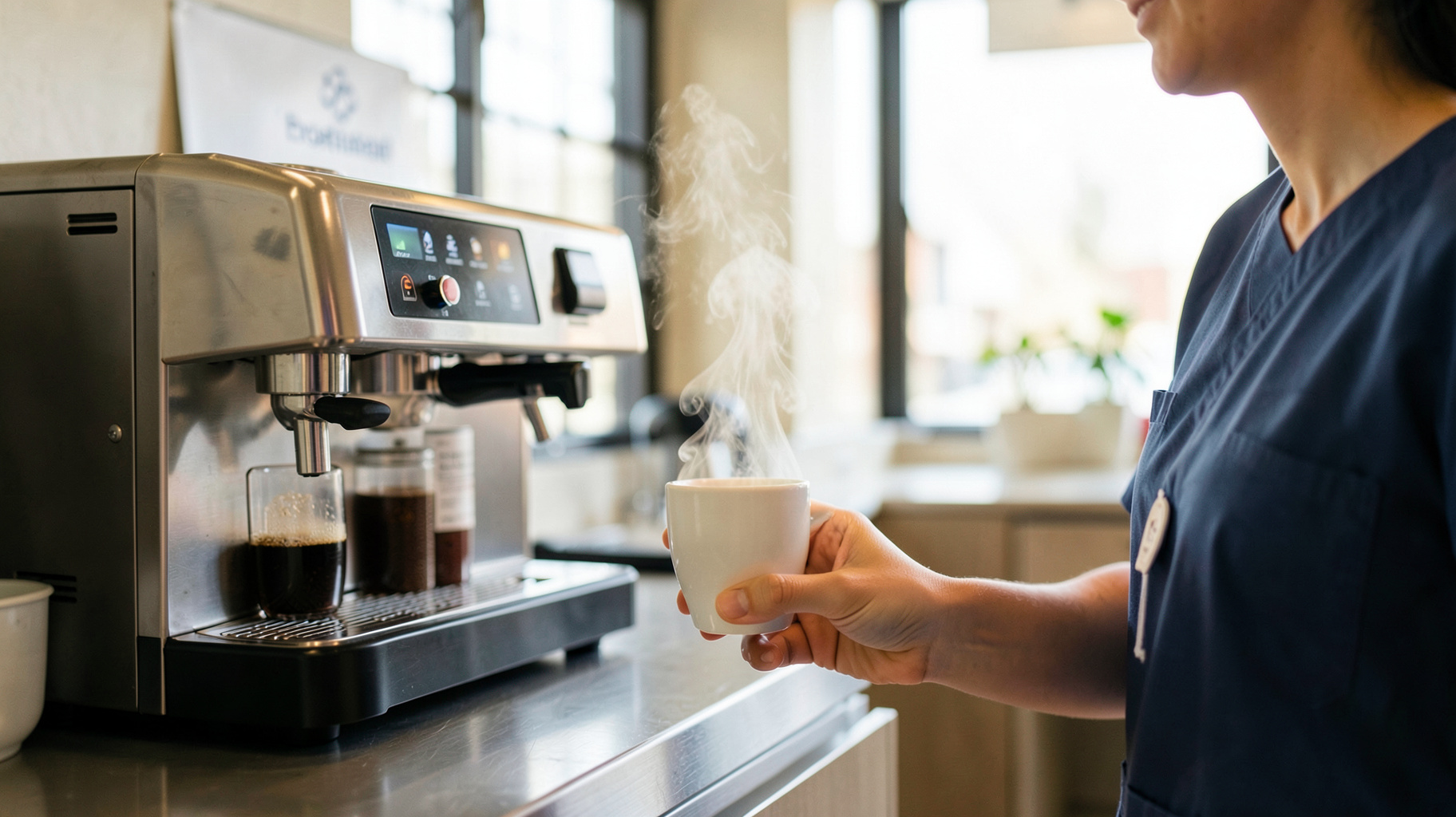
As we move through 2026, the integration of telemetry is becoming standard. Modern machines can now alert a technician that a seal is wearing thin before the machine actually breaks down. This shift from reactive to predictive maintenance means that a hotel or restaurant in Mount Pleasant, SC, never has to face a morning rush with a broken brewer. By treating coffee as a managed utility rather than a piece of hardware, foodservice operators can focus on guest experience rather than troubleshooting plumbing and electrical issues.

Why Does the Shift to Managed Services Matter for Your Business?
The primary reason this shift matters is the volatility of labor and the rising cost of specialty coffee quality. According to the Specialty Coffee Association (SCA), maintaining the standards of specialty coffee requires precise control over water temperature, pressure, and grind size. In a typical restaurant environment, these variables fluctuate wildly. A managed service removes this volatility by providing calibrated equipment and professionally roasted beans tailored to that specific machine.
From a financial perspective, the impact is immediate. When a business adopts a managed model, they shift their coffee program from a variable cost, characterized by unpredictable repair bills and fluctuating bean prices, to a fixed operational expense. This predictability allows for tighter margin control. For those managing high-volume environments, such as managed coffee for medical clinics, the ability to guarantee a consistent beverage experience without dedicating a full-time staff member to machine maintenance is a massive operational win.
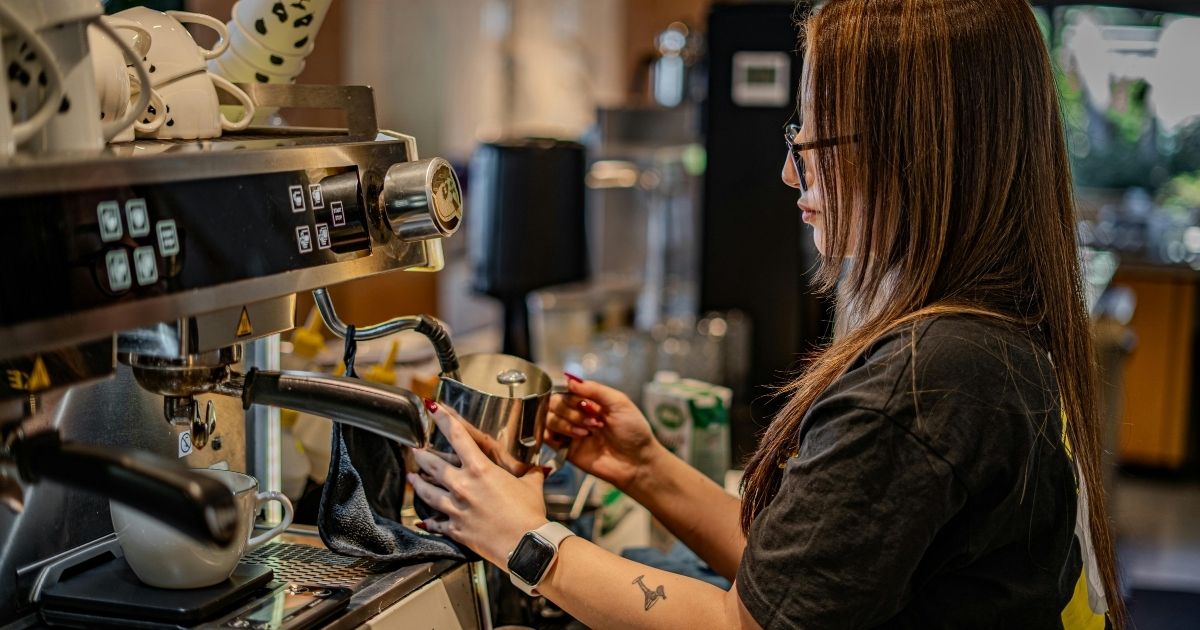
Furthermore, the consumer demand for "specialty coffee" is no longer limited to third-wave cafes. Guests in hotels and diners now expect a level of quality that requires a professional barista's touch. Because Busy Bean Coffee utilizes Q-Graders to ensure the roast profile matches the equipment, businesses can offer a premium product without having to hire a master barista for every shift. This democratization of high-end coffee is a critical competitive advantage in 2026.
How to Implement a Future-Proof Coffee Program in 2026?
Transitioning to a managed coffee service requires a shift in mindset from ownership to partnership. The first step is analyzing your daily volume and guest profiles. For example, a hotel focusing on luxury guests will have different needs than a high-traffic bakery. If you are operating in a fast-paced environment, you need equipment that emphasizes speed and consistency over manual control.
Once the volume is established, the implementation follows a specific technical path. First, the infrastructure must be assessed; this includes water filtration and electrical capacity. According to NSF International, commercial food equipment must meet strict sanitary and safety standards to prevent contamination. A managed provider handles the NSF-certified installation, ensuring that the water chemistry is optimized for the specific Coffea arabica beans being used, which prevents scale buildup and extends machine life.
Next, the training phase begins. In my experience, the biggest mistake businesses make is assuming the machine does all the work. While SENSA equipment simplifies the process, the staff still needs to understand the basics of milk texture and cup preparation. A managed service includes ongoing training and quality audits, ensuring that the beverage quality in a facility, whether it's a managed coffee service for restaurants or a corporate office, never dips below the established standard.
Finally, the telemetry and monitoring systems are activated. This allows the provider to track usage patterns and proactively ship replacement filters or roast new batches of beans based on actual consumption data rather than guesswork. This lean approach to inventory management reduces waste and ensures that the coffee bean is always at its peak freshness when it reaches the hopper.
Managed Services vs. Traditional Ownership
To understand the value proposition, we must compare the traditional ownership model with the modern managed approach. The traditional model is plagued by "hidden costs", the hours spent on the phone with a technician, the lost revenue during a machine outage, and the waste created by improperly calibrated grinders.
| Feature | Traditional Ownership | Generic Cheap AI/Auto-Service | Busy Bean Managed Approach |
|---|---|---|---|
| Upfront Cost | High CapEx ($10k - $30k) | Low/Mid (Basic Machines) | Zero CapEx (Membership Fee) |
| Maintenance | Reactive (Broken $ | ||
| ightarrow$ Fix) | Basic/Limited Warranty | Predictive (IoT Alerts) | |
| Quality Control | Variable (Depends on Staff) | Generic/Industrial Grade | Q-Grader Certified Specialty |
| Training | One-time (Often forgotten) | Manual/Video only | Continuous Professional Coaching |
| Bean Quality | Sourced separately | Commodity Grade | Custom Roasted Arabica |
As shown in the table, the professional managed approach eliminates the risks associated with both the high cost of ownership and the low quality of generic automated services. When you partner with a specialist, you aren't just renting a machine; you are buying an insurance policy against poor quality and operational downtime.
Common Mistakes to Avoid When Scaling Your Coffee Program
One of the most frequent errors I see is the "Equipment First" fallacy. Businesses often buy the most expensive machine they can find, thinking that the hardware guarantees the quality. However, the machine is only one part of the equation. Without a consistent supply of high-quality coffee beans and a rigorous cleaning schedule, even a $20,000 machine will produce mediocre coffee. The secret is the synergy between the roast, the grind, and the machine calibration.
Another common mistake is neglecting water quality. Many operators overlook the fact that coffee is 98% water. If your water is too hard or contains excess chlorine, it will not only ruin the taste of the specialty coffee but will also destroy the internal boilers of your espresso machine. This is why professional installation, as seen in Sensa Coffee Service in Mount Pleasant SC - Complete Guide, is essential. Professional water treatment is the only way to ensure the longevity of the equipment.
Finally, avoid the trap of "set it and forget it." Even with a managed service, the staff must be engaged. I have seen managed programs fail because the local manager stopped insisting on the quality standards. The most successful businesses integrate coffee quality into their daily checklists, treating the coffee program as a core part of their brand identity rather than a side amenity. For those in the hospitality sector, this is a key driver for managed coffee service for hotels.

Implementation Deep Dive: The ROI of Consistency
To truly understand the future of coffee services business, one must look at the ROI of consistency. In a foodservice setting, a "bad cup of coffee" is not just a wasted beverage; it is a damaged customer relationship. According to the National Coffee Association USA (NCA), coffee is often the first and last impression a customer has of a dining experience. If the morning coffee is burnt or sour, the guest subconsciously associates that lack of quality with the rest of the menu.
By utilizing a managed service, you are essentially outsourcing the risk of quality failure. When you use a membership model, the provider is incentivized to keep the machine running perfectly because their reputation is tied to the output. This alignment of interests is what separates a professional service from a simple equipment lease. In a high-volume setting, such as high-volume managed coffee for retirement communities, the scale of the operation makes this risk management indispensable.
Moreover, the ability to scale is vastly improved. If a business expands from one location to three, they don't need to find another $50,000 in capital for equipment. They simply add another membership seat to their plan. This allows for rapid expansion without the financial strain of heavy asset acquisition. This is particularly effective for growing groups of restaurants or multi-site medical practices who need managed coffee for medical clinics and offices across multiple locations.
💡
Key Takeaway
The ROI of managed coffee services is found in the combination of zero CapEx, reduced labor friction, and the prevention of customer churn through guaranteed consistency.
Frequently Asked Questions
Does a managed coffee service really eliminate all upfront costs?
Yes, the primary goal of the Busy Bean Coffee membership is to remove the capital barrier. Instead of paying thousands of dollars for a high-end SENSA espresso machine and professional installation, you pay a predictable monthly fee. This converts a massive one-time expense into a manageable operational cost, allowing you to preserve your cash flow for other areas of your business, such as marketing or staffing, while still providing a world-class coffee experience to your guests.
How does predictive maintenance differ from standard repair services?
Standard repair is reactive; you call a technician after the machine has already stopped working, resulting in lost revenue and unhappy customers. Predictive maintenance uses IoT telemetry to monitor performance metrics in real-time. If the machine detects a drop in pump pressure or an irregular heating cycle, it alerts the Busy Bean team automatically. We then schedule a visit to fix the component before it actually fails, ensuring your coffee service is never interrupted during peak business hours.
Can I use my own beans with a managed equipment service?
While some generic leases allow this, our managed membership is designed as a holistic ecosystem. To guarantee the quality and the performance of the equipment, we provide custom-roasted specialty coffee beans tailored to the specific calibration of your machine. This ensures that the flavor profile is optimized and, more importantly, that the beans are of the correct roast and size to prevent clogging the grinder or damaging the group heads, which protects the machine's longevity.
Is a managed service suitable for low-volume businesses?
Absolutely. The managed model is actually more beneficial for smaller businesses because they typically lack the in-house expertise to maintain a professional espresso machine. A small cafe or boutique hotel cannot afford to have their only machine go down for a week. By using a managed service, they get the same high-end equipment and professional support as a large corporation, ensuring they can compete on quality without needing a massive technical budget.
How do you ensure the coffee remains "specialty grade" in a high-volume setting?
We achieve this through the expertise of our Q-Graders and the precision of SENSA equipment. We control the entire chain: from sourcing high-altitude Arabica beans to the precise roasting process and the final machine calibration. Because the equipment is managed and monitored, we can ensure that the extraction time and temperature remain within the strict parameters defined by the Specialty Coffee Association, regardless of how many cups are served per hour.
Conclusion
The future of coffee services business is not about owning a machine; it is about owning the result. In 2026, the most successful foodservice operators are those who recognize that coffee is a specialized technical operation that requires professional oversight. By moving away from the burden of equipment ownership and embracing a managed membership, businesses can guarantee a premium guest experience while protecting their bottom line from unpredictable costs.
Whether you are running a boutique hotel or a high-traffic medical clinic, the goal is the same: a perfect cup of coffee every single time, without the stress of maintenance. If you are ready to stop worrying about your equipment and start focusing on your growth, we invite you to explore our guide on best managed coffee service to see how a professional partnership can transform your beverage program.
Ready to elevate your coffee experience with zero upfront cost? Visit Busy Bean Coffee Blog to discover the power of a truly managed coffee membership.
Ready to Upgrade Your Business Coffee?
Café-quality coffee, zero maintenance headaches, and one predictable monthly price. Let's build your custom coffee program.
Free Coffee Pairing Guide & Specialty Roast Cheat Sheet
Unlock the secrets of perfect brewing ratios, water temperatures, and specialty roast profiles. Download the guide.