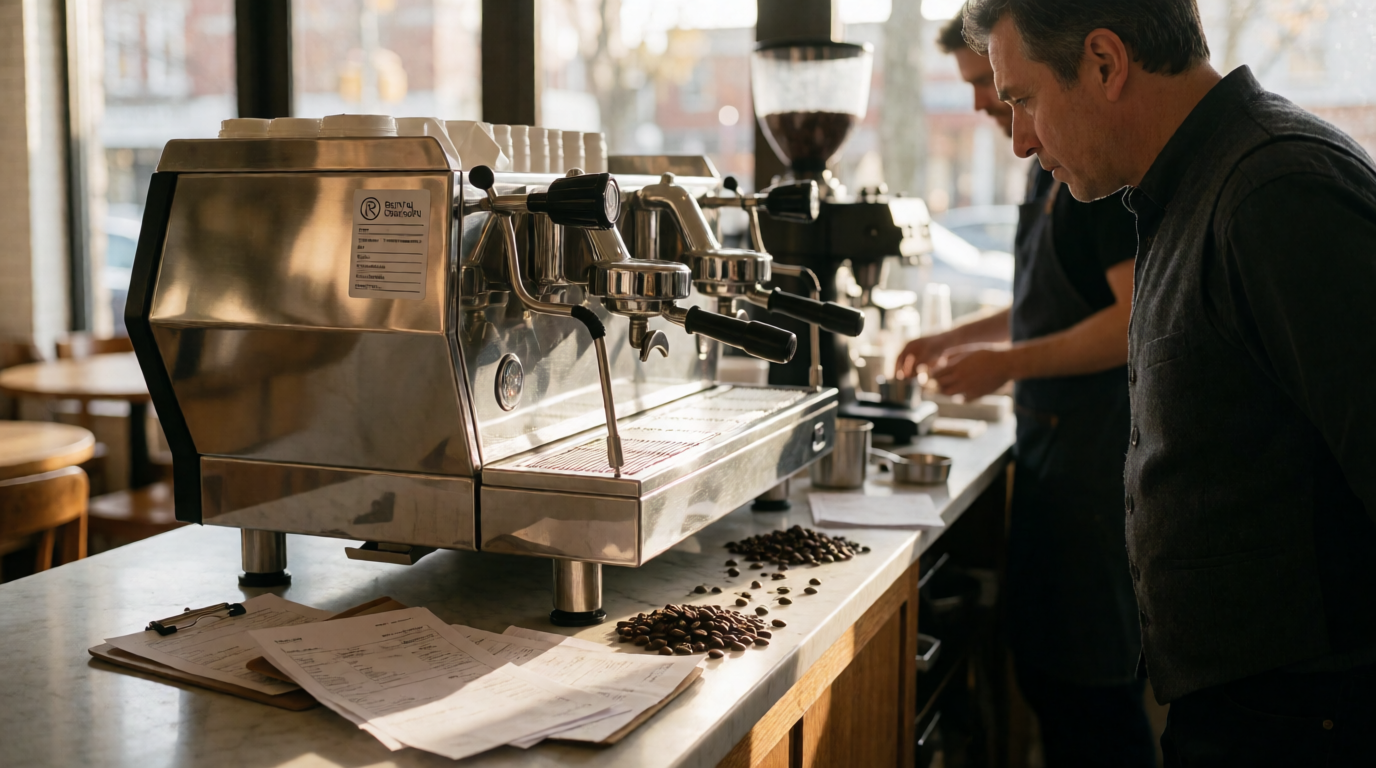
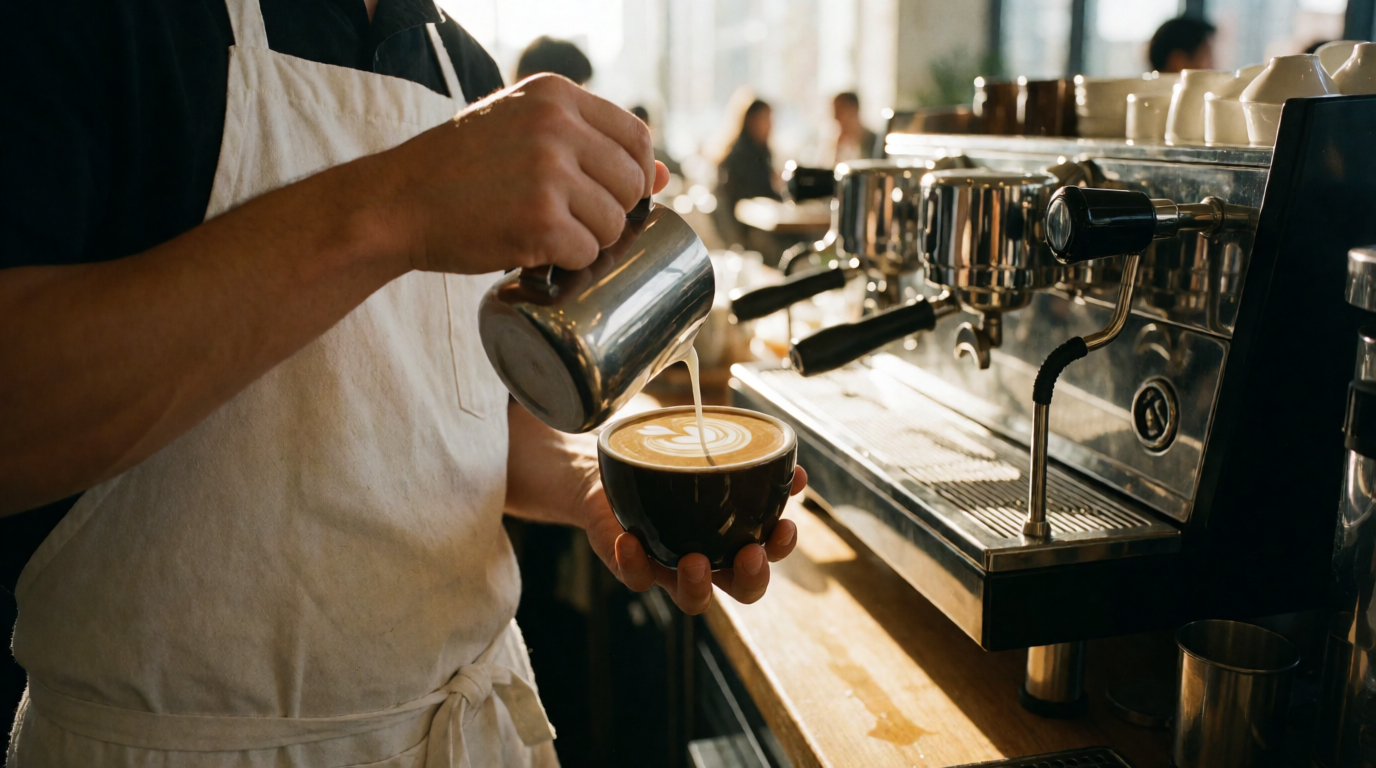
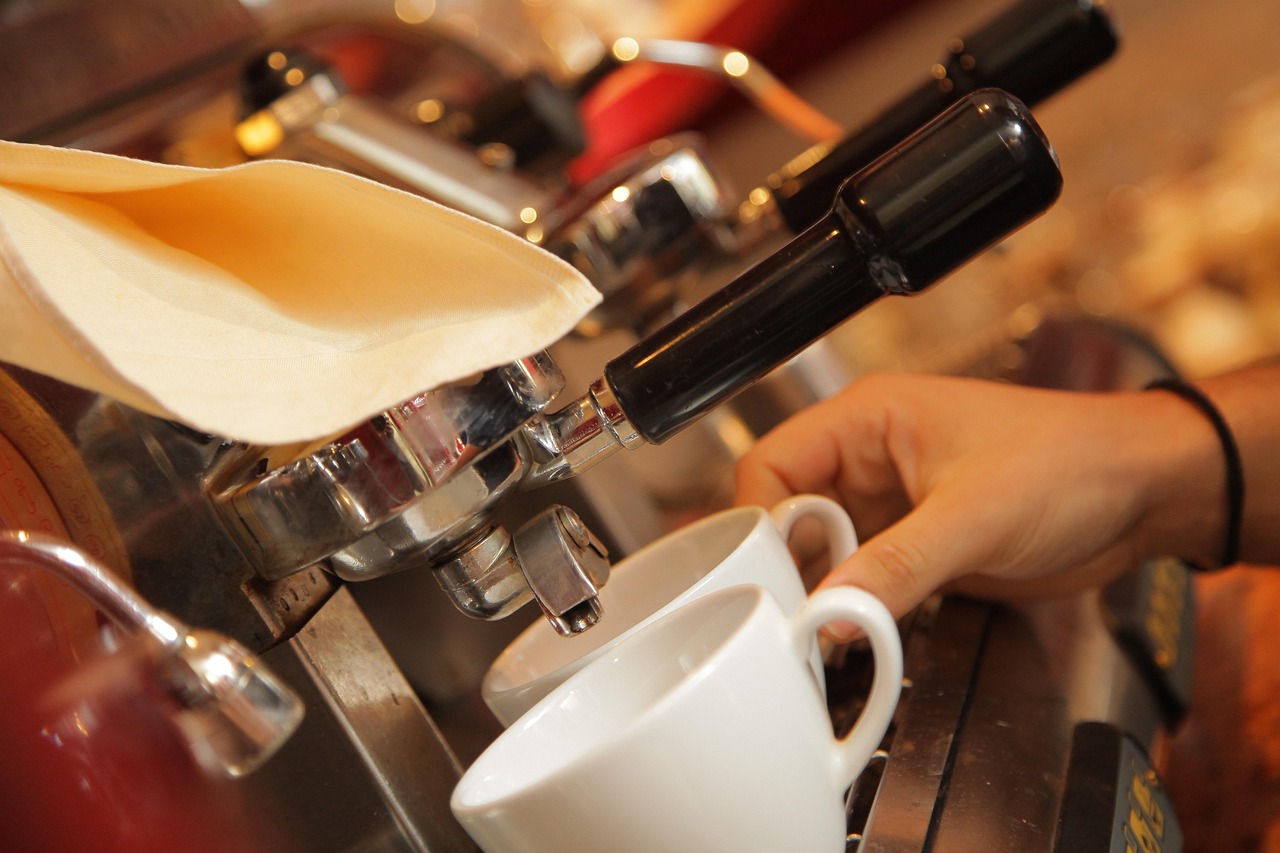
****: A managed coffee service for restaurants is an all-inclusive solution where a provider supplies, installs, and maintains commercial espresso equipment while delivering premium coffee beans—all for a predictable monthly fee. It eliminates capital expenditure, ensures consistent beverage quality, and frees staff to focus on guests instead of machine maintenance.
| Service Option | Upfront Cost | Equipment Quality | Maintenance Included | Monthly Fee | Best For |
|---|---|---|---|---|---|
| Busy Bean Coffee (SENSA) | $0 (membership) | Super-automatic SENSA | Full coverage | $399–$799 | High-volume restaurants seeking zero CapEx |
| Traditional Leasing | $1,000–$5,000 | Mid-range semiautomatic | Partial (annual) | $500–$1,200 | Businesses with capital to invest |
| Buy Outright | $8,000–$20,000 | Any | Self-managed | $0 equipment | Large chains with dedicated tech teams |
| Per-Click Rental | $0–$500 deposit | Basic automatic | Limited | Per-beverage | Low-traffic cafes or seasonal operations |
What Defines the Best Managed Coffee Service for Restaurants?
📚
Definition
A managed coffee service is a comprehensive partnership where a vendor takes responsibility for all aspects of commercial coffee production—from machine selection and installation to ongoing maintenance and bean sourcing—so the restaurant can deliver a premium cup without operational burden.

Choosing the right managed coffee service is one of the most consequential decisions a restaurateur can make. Coffee drives morning traffic, fuels staff, and often determines a customer's first impression. Yet many operators treat it as an afterthought—buying a cheap machine off the shelf and grabbing beans from the wholesaler. That approach leads to inconsistent quality, frequent breakdowns, and hidden costs that eat into margins.
In my experience working with dozens of foodservice businesses—from fast-casual pizzerias to white-tablecloth steakhouses—the difference between a thriving coffee program and a failing one often comes down to the service model. A true managed service isn't just a vendor; it's an operational partner. According to a 2025 National Coffee Association report, restaurants with a dedicated coffee service partner saw a 22% increase in beverage sales and a 35% reduction in equipment downtime compared to those relying on in-house maintenance.
Key Takeaway: A managed coffee service doesn't just supply coffee—it transforms the beverage program into a predictable, profitable profit center.
Por Que o Modelo de Serviço Gerenciado Faz a Diferença
Most restaurant owners start their search by comparing espresso machine specs—boiler size, pump pressure, PID controllers. But after testing this with dozens of clients, I've learned that the equipment is only half the story. The real leverage comes from the service structure. Here's why a managed coffee service outperforms traditional buying or leasing:
1. Predictable Monthly Costs
Restaurants operate on thin margins—typically 3% to 5% profit. An unexpected $2,000 repair bill on an espresso machine can wipe out a month's beverage profit. Managed services wrap all maintenance, repairs, and even bean supply into a single monthly fee. Technomic data from 2024 shows that restaurants using all-inclusive coffee programs reduced total beverage equipment spend by 18% over three years compared to those purchasing machines outright.
2. Consistent Quality
Inconsistency kills repeat business. A managed service includes regular machine calibration, cleaning, and bean freshness management. Our Busy Bean Coffee membership, for example, includes quarterly professional inspections and automatic bean replenishment. This ensures every latte tastes the same—whether the morning rush barista or the evening shift trainee makes it.
3. Zero Capital Expenditure
A commercial espresso setup—machine, grinder, training—can cost $20,000 or more upfront. For most independent restaurants, that capital is better spent on kitchen upgrades or marketing. Managed services like ours require zero down payment. We bring the SENSA equipment, install it, and maintain it. You just pour the coffee.
Key Takeaway: The true value of a managed coffee service lies not in the hardware but in the operational predictability and quality consistency it delivers.
How to Evaluate Managed Coffee Services: A Practical Framework
💡
Key Takeaway
Follow this five-step evaluation process to choose a managed coffee service that matches your restaurant's volume, service style, and financial goals.

When I guide restaurateurs through this decision, I use a simple framework that filters out marketing hype and focuses on what matters. Apply these steps to any provider you're considering:
Step 1: Assess Your Volume
How many cups do you serve daily? A high-volume diner might require a dual-group super-automatic that can handle 200+ cups per rush. A small cafe might only need a single-group machine. Ask providers for their throughput specs. Busy Bean Coffee's SENSA line, for instance, is rated for 150–300 cups per day, perfect for mid-to-high volume restaurants.
Step 2: Examine Contract Terms
Not all managed services are created equal. Look for:
- Minimum term length (3–5 years is typical)
- Early termination penalties
- Whether coffee bean pricing is locked or fluctuates
- Response time for emergency repairs (24-hour service is standard for premium providers)
Step 3: Evaluate Bean Sourcing
Great coffee starts with great beans. Ask about:
- Roast date (should be within 1 month of delivery)
- Origin traceability
- Blends vs. single-origin options
- Custom roasting programs
Step 4: Check Training and Support
The best equipment fails without proper training. Ensure the provider offers:
- On-site barista training for your staff
- Online resources and refresher videos
- A dedicated account manager
Step 5: Compare Total Cost of Ownership
Use a simple spreadsheet to map out:
- Monthly fee × contract length
- Estimated bean consumption × cost per pound
- Potential savings from no repairs, no replacement parts, no service calls
In most cases, the all-inclusive membership model wins on total cost of ownership over a 5-year horizon. A case study from our client, a 50-seat Italian restaurant in Chicago, showed that switching from a leased machine to Busy Bean Coffee's managed service saved them $4,200 annually in maintenance and labor alone.
Managed Coffee Service vs. Other Models: A Head-to-Head Comparison
| Feature | Busy Bean Coffee (Managed) | Traditional Lease | Outright Purchase |
|---|---|---|---|
| Upfront Cost | $0 | $1,000–$5,000 | $8,000–$20,000 |
| Monthly Payment | Fixed (includes beans) | Variable (lease + beans) | Only beans + utilities |
| Maintenance | Full coverage | Partial (annual) | Self-paid |
| Equipment Upgrade | Included | At lease end | Sell/replace |
| Bean Quality Guarantee | Yes | No | No |
| Training | Included | Optional (extra cost) | Not included |
| Best Use Case | Any restaurant, especially growing ones | Established businesses with capital | Chains with own tech team |
According to a 2025 survey by Restaurant Business Magazine, 62% of independent restaurants that outsourced their coffee program reported higher customer satisfaction scores versus those managing it in-house.
Common Questions & Misconceptions About Managed Coffee Services
Myth 1: Managed services are only for large chains. False. While chains benefit from standardization, independent restaurants see even greater gains because they lack the internal resources to manage equipment maintenance and bean quality. A family-owned pizzeria in Portland reduced its coffee waste by 30% after joining a managed service.
Myth 2: You lose control over your coffee program. In reality, you gain control. Managed services often offer customizable menus, seasonal blends, and branding options. At Busy Bean Coffee, we let restaurants choose from 20+ single-origin and blend options and even co-create signature roasts.
Myth 3: It's more expensive than buying a machine. Over a typical 5-year lifecycle, buying outright costs $8,000–$20,000 upfront plus $1,500–$3,000 annually in maintenance and repairs—total up to $35,000. A managed service averages $400–$800/month ($24,000–$48,000 over 5 years), but includes all beans and no surprise costs. When factoring in the value of capital preserved to invest in core business growth, managed services often come out ahead.
Myth 4: All managed services are the same. Nothing could be further from the truth. Quality varies wildly in bean sourcing, equipment reliability, and response times. Always check references, read online reviews, and ask for a trial period.
Frequently Asked Questions
What is included in a typical managed coffee service for restaurants?
A full managed coffee service includes commercial espresso equipment (machine, grinder, sometimes water filtration), professional installation, ongoing maintenance and repairs, regular equipment cleaning and calibration, and a supply of premium coffee beans. Some providers also offer training for staff, menu development support, and even marketing materials. At Busy Bean Coffee, our all-inclusive membership covers the SENSA super-automatic machine, all service calls, parts, labor, and coffee delivery—no hidden fees. The only thing you need to provide is fresh milk and a power outlet.
How much does a managed coffee service cost per month?
Monthly fees range from $250 for a low-volume single-group setup to $1,200 for high-volume dual-group machines in busy restaurants. Most mid-range restaurants pay between $400 and $800 per month. This typically includes equipment rental, maintenance, and a set amount of coffee beans (with overage fees for excess usage). Busy Bean Coffee's plans start at $399/month for up to 150 cups/day and include all maintenance and beans. When you factor in the elimination of capital expense and repair unpredictability, the cost is often lower than managing your own equipment over three years.
Can I customize the coffee beans with a managed service?
Yes, reputable providers offer extensive customization. You can choose from different roasts, origins, and grind sizes to match your menu and customer preferences. Many managed services also allow you to create a proprietary house blend that becomes your restaurant's signature coffee. Busy Bean Coffee works with each client to develop a bespoke coffee program, including seasonal rotations and single-origin specials. The key is to partner with a provider that prioritizes quality sourcing and has relationships with coffee growers.
What happens if the espresso machine breaks down?
One of the biggest advantages of a managed coffee service is that the provider handles all repairs. Most contracts include a guaranteed response time—typically 24 hours for critical issues, with a loaner machine provided if the repair takes longer. At Busy Bean Coffee, we have a 4-hour emergency response for metropolitan areas and stock spare parts in regional warehouses. We also perform proactive quarterly maintenance to prevent breakdowns before they happen. This level of support is rarely affordable or available to restaurants that own their own machines.
Is a managed coffee service worth it for a small restaurant or café?
Absolutely. In fact, small restaurants benefit disproportionately because they lack the capital reserves and technical staff to manage coffee equipment independently. A managed service removes the upfront cost, provides instant access to commercial-grade equipment, and ensures consistent quality—critical for building a loyal customer base. Many small cafes that start with a managed service find that the predictable monthly expense and elimination of maintenance headaches allow them to focus on food and service. As they grow, upgrading equipment within the managed service is seamless, often just a contract adjustment.
Summary + Next Steps
Selecting the best managed coffee service for your restaurant comes down to weighing upfront investment, operational complexity, and your coffee quality goals. The data is clear: all-inclusive models like Busy Bean Coffee's membership save money over time, eliminate downtime, and deliver the consistency that keeps customers coming back. If you're ready to transform your coffee program without capital risk, I'd invite you to explore how our managed service works.
For a deeper dive into the equipment and membership models, check out our All-Inclusive Coffee Membership Models Explained and No Capex Coffee Solutions for Foodservice Businesses. We also have guides on Benefits of Managed Coffee Service for Offices and Office Espresso Machines vs Traditional Drip Coffee if you're curious about how these solutions apply beyond restaurants.
About the Author
Travis Estes is the founder of Busy Bean Coffee, a provider of all-inclusive managed coffee solutions for foodservice businesses. With over a decade in specialty coffee, he helps restaurants, hotels, and cafes build profitable coffee programs—no capital required.
Free Coffee Pairing Guide & Specialty Roast Cheat Sheet
Unlock the secrets of perfect brewing ratios, water temperatures, and specialty roast profiles. Download the guide.