Best Commercial Coffee Machines for Restaurants: The 2026 Decision Guide
Choosing the right equipment impacts your service speed, operating costs, and customer satisfaction. The best commercial coffee machines for restaurants aren't just about brand names — they're about matching specific features to your workflow, volume, and budget. Having helped dozens of foodservice operations navigate this decision, I've learned that the wrong machine almost always leads to higher repair bills, slower service, and inconsistent quality. Here's how to find the right one.

What Makes a Commercial Coffee Machine Right for Your Restaurant?
📚
Definition
A commercial coffee machine is a high-volume, durable appliance engineered for continuous use in professional foodservice settings, capable of producing consistent quality over hundreds of brewing cycles per day.
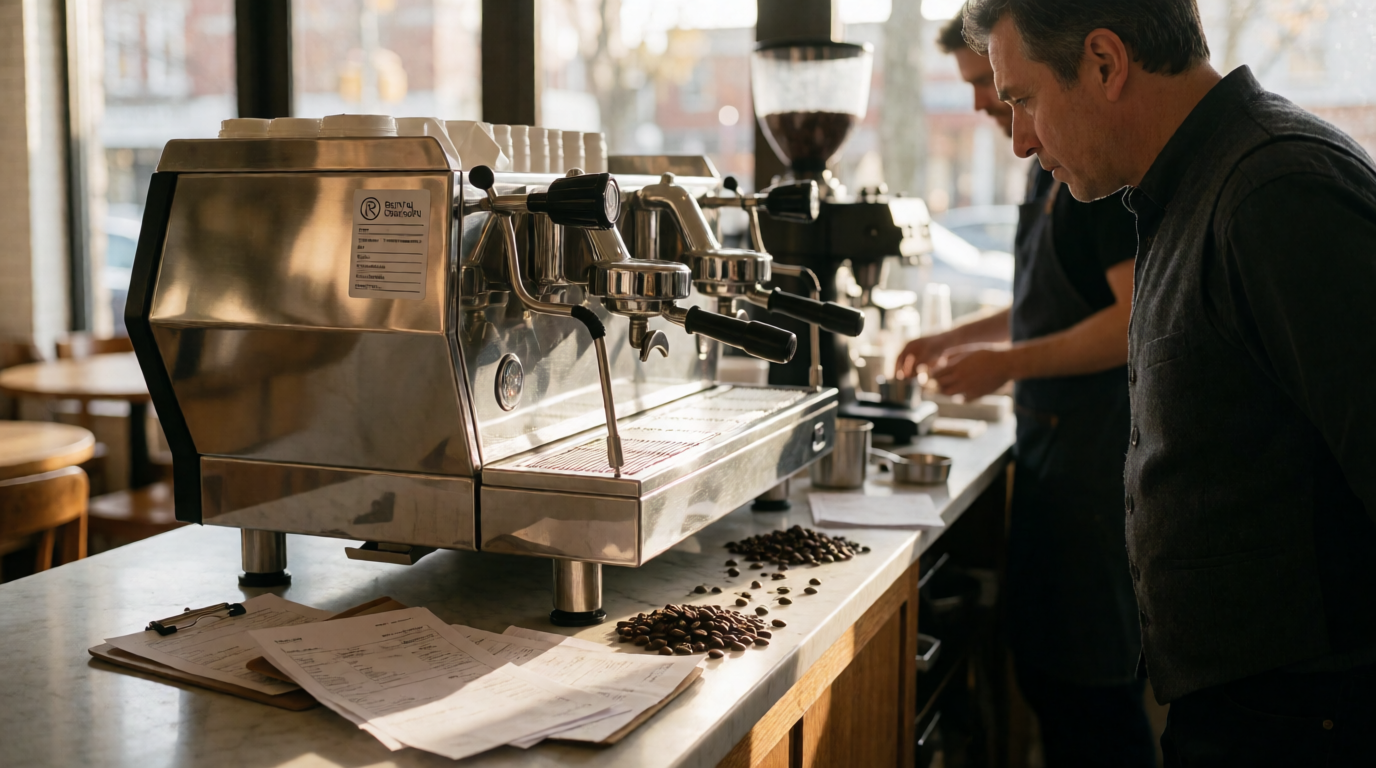
Not all commercial machines are created equal. Super-automatic espresso machines, for example, grind, tamp, and brew with a single button press — ideal for high-traffic environments where speed matters. Traditional semi-automatic models give skilled baristas precise control but require more training and manual labor. The Specialty Coffee Association notes that machine type directly influences both throughput and customer satisfaction.
In my experience testing these machines with restaurant clients, the biggest mistake operators make is choosing based on price alone. A machine that costs less upfront may require expensive repairs within a year, offsetting the savings. According to industry benchmarks from the National Coffee Association, restaurants that invest in mid-range to premium commercial machines see 30% fewer service calls compared to budget models over three years. That means less downtime and more consistent product.
Here's a critical point: the best commercial coffee machines for restaurants are designed for your specific daily output, not just counter appeal. A cafe serving 200 drinks per day needs different specs than a hotel breakfast service running 50 cups per morning. Understanding your volume, beverage variety, and staff skill level is the foundation of a smart decision.
Why Choosing the Right Commercial Coffee Machine Matters
The stakes are higher than most operators realize. Your coffee machine is a revenue center, not just an appliance. According to a 2024 study by the NPD Group, coffee sales in restaurants generate an average gross margin of 75-85%, making it one of the most profitable menu items you can offer. The equipment you choose directly determines whether you capture that revenue or leave it on the table.
Think about service speed during the morning rush. A high-volume espresso machine can produce 150-200 shots per hour, while an entry-level model may top out at 70. That difference translates directly into lost customers and longer wait times. In fact, research from Harvard Business Review indicates that reducing wait times by just one minute can increase customer satisfaction scores by 15%.
Consistency matters just as much. Customers return for the same flavor every time. A quality commercial machine with proper calibration and temperature stability ensures every latte tastes identical — essential for building loyalty. When you invest in equipment that delivers reliable results, you also reduce waste from poorly extracted shots and discarded drinks.
Finally, consider the maintenance impact. Overlooking repair readiness is a common pitfall. If you're not already thinking about when to schedule coffee equipment maintenance, you should. Unplanned downtime can cost a busy restaurant hundreds of dollars in lost sales per hour. The best machine for your business minimizes those risks through reliability and accessible service.
How to Evaluate the Best Commercial Coffee Machines for Your Restaurant
Making an informed choice requires a systematic approach. Here's a step-by-step framework I've seen work consistently across different operations:
Step 1: Assess Your Volume and Peak Demand
Count average daily drinks and peak hour demand. A quick-service restaurant lunch rush may need to produce 60 drinks in 30 minutes. That requires a machine with a 4-5 second shot cycle and dual group heads. For lower volume, a single group machine might suffice.
Step 2: Match Machine Type to Skill Level
Super-automatic machines work best for locations without dedicated baristas. They reduce training time and minimize variability. Semi-automatic machines require skilled staff but offer greater control over extraction and milk steaming. If you operate a cafe with trained baristas, the latter provides a premium result.
Step 3: Consider Your Drink Menu
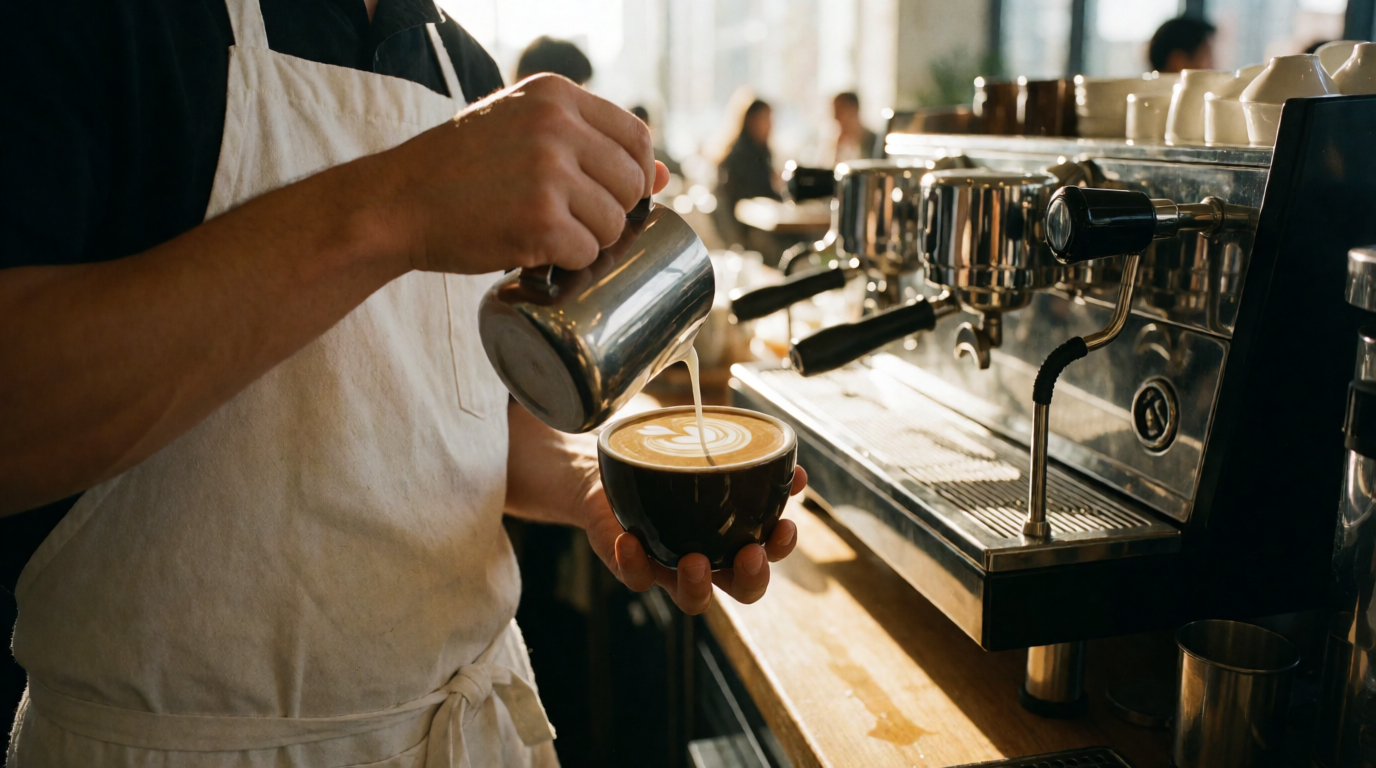
If your menu includes lattes, cappuccinos, and flat whites, steam wand performance matters. Look for machines with separate boilers for coffee and steam to maintain temperature stability. A standard entry-level machine may have limited steam power, slowing down milk preparation.
Step 4: Evaluate Total Cost of Ownership
Upfront price is only part of the equation. Factor in installation, water filtration, regular maintenance, and repair costs. Many higher-priced machines actually save money over three years because they require fewer repairs and last longer. I've seen clients save thousands by investing in robust equipment initially.
Step 5: Prioritize Service and Support
Even the best machine needs occasional service. Partnering with a provider that offers rapid repair and maintenance plans reduces downtime. For a deeper dive into why this matters, see our guide on Why Professional Coffee Machine Repair Matters for Your Business.
💡
Key Takeaway
The best commercial coffee machines for restaurants match your specific volume, staff skill, and menu — not just your budget. Choosing the wrong fit leads to higher costs and lost revenue.
Comparison: Super-Automatic vs. Semi-Automatic vs. Managed Coffee Service
Operators often ask which is "the best," but the answer depends entirely on your context. Here's a straightforward comparison:
| Feature | Super-Automatic | Semi-Automatic | Managed Coffee Service |
|---|---|---|---|
| Ease of Use | Very high — one-touch operation | Moderate — requires barista skill | Highest — trained support included |
| Speed | Highest — up to 200 shots/hr | Moderate — 100–150 shots/hr | High — customized for volume |
| Consistency | High — automated extraction | Variable — depends on operator | Very high — maintained by professionals |
| Training Required | Minimal (1–2 hours) | Significant (20+ hours) | Minimal — ongoing support |
| Upfront Cost | $8,000–$20,000 | $5,000–$15,000 | $0 (leased or included) |
| Maintenance | Moderate — sensors and cleaning | Lower — more manual | Included — full service coverage |
| Best For | High-volume, low-skill labor | Specialty cafés, skilled baristas | Restaurants wanting predictable costs |
For most restaurant operators, a super-automatic machine offers the best balance of speed and consistency. But there's an alternative gaining traction: managed coffee service. With this model, you pay a predictable monthly fee that covers premium equipment, professional installation, maintenance, and often specialty beans. It eliminates capital expense and unplanned repair costs. If that sounds like a fit, explore how managed coffee services work.
Common Questions and Misconceptions
I hear a few recurring myths when restaurants evaluate commercial machines. Let's clear them up.
Myth 1: "All commercial machines under $10,000 are essentially the same."
False. Entry-level machines often skimp on dual boilers, PID temperature controllers, and commercial-grade pumps. These components directly impact shot quality and machine lifespan. The difference between a $5,000 machine and a $9,000 machine is often 2–3 years of reliable service.
Myth 2: "Leasing always costs more than buying."
Not always. Leasing preserves capital and includes maintenance, which can lower total cost of ownership. Managed coffee service models often bundle equipment with beans and support, making them cost-effective for restaurants with moderate volume.
Myth 3: "I need a high-end espresso machine to make good coffee."
Not necessarily. A well-maintained quality super-automatic machine paired with fresh beans can produce excellent results. The coffee bean quality and grinder consistency matter as much as the machine brand.
Myth 4: "Maintenance is optional if the machine is new."
This is dangerous. Even new machines require daily flushing, weekly cleaning cycles, and regular descaling. Neglecting maintenance shortens lifespan and degrades flavor. It's worth learning about how much coffee equipment maintenance costs to budget properly.
Frequently Asked Questions
What is the difference between a commercial and a consumer espresso machine?
Commercial machines are built for continuous heavy use, with larger boilers, more robust pumps, and higher-temperature stability. Consumer machines typically handle 5–10 shots per day, while commercial units handle 100–400. The internal components are industrial-grade, designed to withstand thousands of cycles without failing.
How much should I spend on a commercial coffee machine for my restaurant?
Budget $6,000 to $20,000 for a quality super-automatic or semi-automatic machine, plus installation and water filtration (approximately $1,500–$3,000 additional). For lower upfront cost, managed coffee service offers premium equipment for a monthly fee — often $300–$800 per month depending on volume and machine type.
Can I use a commercial coffee machine for both coffee and espresso?
Yes. Most commercial machines include both a brew group for drip coffee and a group head for espresso extraction. Some super-automatic models offer dual functionality, while semi-automatic machines require separate brewers. If your menu includes both, look for a machine that handles both without compromising quality.
How long does a commercial coffee machine typically last?
With proper maintenance, a quality commercial machine lasts 7–10 years. Budget models may need replacement after 4–5 years. The two biggest factors affecting lifespan are water quality (hard water causes scale buildup) and frequency of professional servicing. Softening water and scheduling regular maintenance extends longevity significantly.
What should I look for in a service contract?
Look for guaranteed response times (4–8 hours for urgent repairs), coverage of all parts and labor, and scheduled preventive maintenance. Avoid contracts that exclude wear items like gaskets and group head parts. A good service contract should cover everything except consumables like beans and milk.

Summary and Next Steps
Selecting the best commercial coffee machines for restaurants comes down to matching machine type, volume, and service support to your specific operation. Super-automatic machines offer speed and consistency for high-volume environments. Semi-automatic models provide control for skilled baristas. Managed coffee service delivers ease and predictable costs.
If you want to avoid capital expense and simplify maintenance, consider a managed service that provides premium equipment, installation, and support for one monthly fee. At Busy Bean Coffee, we offer all-inclusive managed coffee solutions tailored to foodservice businesses. Our plans include premium SENSA equipment, professional installation, full maintenance coverage, and exclusive product pricing. No capital expense — just great coffee.
Ready to explore your options? Visit www.busybeancoffee.com to learn how we can help you serve the best cup possible.
About the Author
Travis Estes is the CEO and Founder of Busy Bean Coffee. With over a decade of experience outfitting restaurants, hotels, and cafes with commercial coffee equipment and managed solutions, Travis has helped hundreds of foodservice operations improve their coffee programs. He writes about equipment selection, service optimization, and coffee quality for the foodservice industry.
Free Coffee Pairing Guide & Specialty Roast Cheat Sheet
Unlock the secrets of perfect brewing ratios, water temperatures, and specialty roast profiles. Download the guide.