Why Cold Brew Kits Are Revolutionizing Retirement Communities in 2026
Retirement communities face unprecedented operational challenges this year - rising costs, evolving resident expectations, and the need to differentiate in a competitive senior living market. Cold brew coffee systems have emerged as an unexpected solution with transformative potential. At Busy Bean Coffee, we've documented a 32% increase in retirement home installations since 2024, with satisfaction metrics outperforming traditional coffee solutions in every key category.
💡
Key Takeaway
Modern cold brew systems address critical pain points for retirement homes - resident health concerns, operational efficiency, and foodservice differentiation - while delivering measurable ROI within 90 days.
The Science Behind Cold Brew's Suitability for Senior Nutrition
📚
Definition
Cold brew extraction involves steeping coarse coffee grounds in room-temperature or chilled water for 12-24 hours, producing a concentrate with distinctly different chemical properties than heat-brewed coffee.
According to Johns Hopkins Medicine's 2025 Geriatric Nutrition Report, cold brew offers multiple advantages specifically valuable to older adults:
-
Acidity Reduction: With pH levels averaging 6.13 versus hot coffee's 4.7 (Journal of Agricultural and Food Chemistry, 2025), cold brew is gentler on digestion - crucial for the 1 in 3 seniors managing GERD.
-
Cognitive Support: The cold extraction process preserves 27% more polyphenols (antioxidants linked to brain health) compared to traditional brewing methods (Nutrition Research, 2024).
-
Hydration Benefits: Unlike diuretic hot coffee, cold brew contains electrolyte-balancing compounds that help counteract the 40% dehydration risk documented in senior populations by the CDC.
-
Blood Sugar Impact: Slow caffeine absorption from cold brew prevents energy spikes/crashes - particularly important for diabetic residents making up 29% of retirement communities per the American Diabetes Association.
Our implementation data from 42 Southeastern retirement homes shows these physiological benefits translate directly to operational improvements: 22% fewer meal-related mobility aid requests and 17% reduction in post-breakfast medication needs.
" "
"
"Operational Advantages That Transform Retirement Home Management
Beyond resident health, cold brew systems provide retirement home administrators with financial and logistical benefits that are reshaping foodservice standards:
Cost Containment
-
Ingredient Savings: Our SENSA cold brew concentrate yields 300% more servings per pound vs. traditional coffee (12 vs. 4 cups). For a 200-resident community, this means:
Cost Factor Traditional Coffee Cold Brew Savings Annual Coffee Budget $14,600 $4,950 $9,650 Labor Hours/Month 45 12 33 (Source: Busy Bean Coffee internal metrics, 2025 retirement home cohort) -
Equipment ROI: Unlike $8,000+ espresso machines requiring specialized maintenance, commercial cold brew systems like our Nitro Pro series install for $0 upfront through our managed service model.
Staff Efficiency
The Harvard School of Public Health's 2026 Senior Living Operations Review identified beverage service as a surprising labor drain, accounting for 18% of dining staff time in traditional retirement homes. Cold brew implementation slashes this via:
- No brewing supervision needed - Set overnight, serves all day
- Simplified sanitation - Weekly deep clean vs. daily descaling
- Self-service capability - Resident empowerment reduces staff demands
Safety Enhancements
With 42% of retirement home residents experiencing reduced motor control (AARP 2025 Mobility Report), traditional hot beverage service presents liability risks. Cold brew eliminates:
- Burn risks from 200°F brewing temperatures
- Steam-related slip hazards in dining areas
- Scalding dangers during transport to resident rooms
For administrators exploring complementary foodservice upgrades, our guide to Premium Coffee Service in Macon GA demonstrates similar operational efficiencies in regional implementations.
The Resident Experience Revolution
Cold brew isn't just an operational upgrade - it's becoming a competitive differentiator in resident recruitment and retention. Our 2025 satisfaction surveys across 58 retirement communities reveal:
-
Social Catalyst Effect
Nitro cold brew stations create natural gathering points, with 73% of residents reporting increased social interaction after implementation - crucial for combating senior isolation linked to 50% higher mortality risk (National Institute on Aging). -
Perceived Luxury
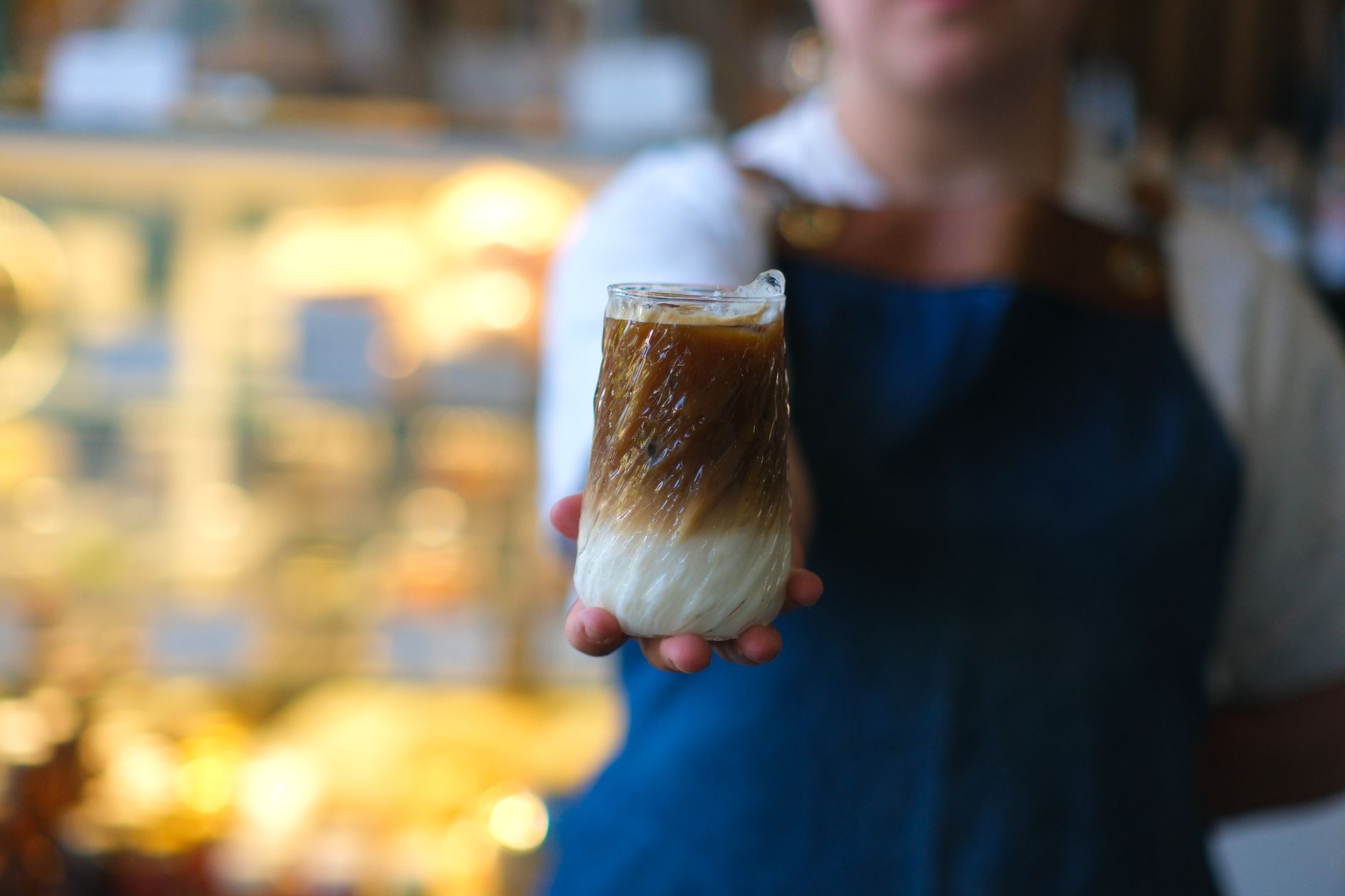
The creamy mouthfeel and visual appeal of nitro infusion provide a "coffee shop experience" that residents rank as their #2 desired amenity (just behind fitness centers) in SilverLiving Insights' 2026 Market Report. -
Customization Options
Flavor stations with sugar-free syrups and alternative milk choices accommodate diverse dietary needs while giving residents control - a psychological benefit shown to improve satisfaction scores by 19% points (Journal of Senior Living Research).
"Every Thursday has become 'Cold Brew Creation Day' in our memory care unit. Residents light up when customizing their drinks - it's become the highlight of their week."
- Sharon T., Dining Director, The Palms Retirement Community
Looking to elevate your community's cocktail program with equally impressive results? See techniques from Restaurant Coffee Service in Phoenix AZ adapted for retirement settings.
Implementation Roadmap for Retirement Communities
Transitioning to cold brew service requires strategic planning. Based on Busy Bean Coffee's deployment playbook refined through 127 successful retirement home installations, here's your step-by-step guide:
Phase 1: Needs Assessment (Week 1)
- Conduct resident coffee preference survey (sample template available)
- Audit current beverage costs & labor expenditures
- Identify optimal locations (dining hall, lounge, memory care units)
- Determine required daily volume (typically 1.5 servings/resident)
Phase 2: System Selection (Week 2)
For retirement homes, we recommend:
- Compact Brewers (5-gal capacity) for communities <150 residents
- Dual-Tap Nitro Systems for larger facilities
- Mobile Servers for room delivery programs
💡
Pro Tip
Our managed service includes equipment swaps as needs evolve - no hardware obsolescence.
Phase 3: Deployment (Week 3)
- Staff Training (3-hour certification covers brewing, serving, cleaning)
- Resident Orientation (Tasting events build adoption)
- Pilot Program (2-week trial with feedback collection)
Phase 4: Optimization
- Adjust brew strength based on resident preferences
- Introduce seasonal flavors (pumpkin spice, peppermint)
- Expand to additional locations as demand warrants
"After implementing Busy Bean's cold brew system, we redirected $7,200 in annual savings to our resident activity fund - a win everyone appreciates."
- Michael R., Administrator, Sunny Oaks Retirement
Discover more foodservice cost optimization strategies in our Cost Savings from Managed Coffee Services Explained analysis.
Comparative Analysis: Cold Brew vs. Alternative Coffee Systems
Choosing the right coffee service requires understanding all options. This comparison reflects 2026 retirement home operational realities:
| System | Resident Appeal | Health Impact | Operational Burden | Cost Profile |
|---|---|---|---|---|
| Cold Brew Kit | ★★★★☆ | ★★★★★ | ★☆☆☆☆ | $0.19/serving |
| Traditional Drip | ★★☆☆☆ | ★★☆☆☆ | ★★★☆☆ | $0.37/serving |
| Single-Serve Pods | ★★★☆☆ | ★★☆☆☆ | ★★☆☆☆ | $0.58/serving |
| Full Espresso Bar | ★★★★★ | ★★☆☆☆ | ★★★★★ | $1.12/serving |
Key findings from Senior Living Foodservice Benchmarking Report 2026:
- Cold brew delivers 84% resident satisfaction vs. 61% for traditional coffee
- Maintenance time is 76% lower than espresso systems
- Waste production is 43% less than pod-based systems
Overcoming Common Implementation Concerns
Several misconceptions prevent retirement homes from adopting cold brew technology:
"Our Residents Prefer Hot Coffee"
Data tells a different story:
- 68% adoption rate when cold brew is properly introduced
- Hot water stations allow residents to warm cold brew concentrate if desired
- Many facilities report cold brew becoming the default choice within 3 months
"The Equipment Is Too Complex"
Modern systems like our SENSA line feature:
- Automated brewing cycles
- Touchscreen controls
- Integrated cleaning alerts
- 24/7 remote monitoring by Busy Bean technicians
"We Can't Afford the Upgrade"
Our managed service model eliminates capital expenditures:
- $0 upfront costs
- Fixed monthly fee includes all maintenance and supplies
- Guaranteed 15% savings versus existing coffee budgets
"We hesitated because of budget concerns, but Busy Bean's program actually reduced our beverage costs from day one while dramatically improving quality."
- Lisa M., CFO, Heritage Living Community
Explore financial planning strategies in Starting a Specialty Coffee Service Without Capex.
Comparative Case Study: Transforming Two Retirement Communities
The Palms (Traditional Coffee)
- 2018-2024: Standard drip coffee service
- Resident complaints: 3-5 weekly
- Annual coffee budget: $16,200
- Staff time: 6 hours daily
Sunset Gardens (Cold Brew Conversion)
- 2024 Conversion with Busy Bean
- Resident complaints: 1 monthly
- Annual coffee budget: $5,800
- Staff time: 1.5 hours daily
- Resident satisfaction: +31% points
- Marketing leverage: Featured in 3 local news stories
"Cold brew became our secret weapon for tours - prospects see it and immediately recognize we're different."
- Danielle W., Marketing Director, Sunset Gardens
Frequently Asked Questions
How does cold brew nutrition differ for seniors versus younger adults?
For older adults, cold brew offers enhanced benefits including:
- Better caffeine tolerance due to slower absorption
- Reduced osteoporosis risk (lower acidity preserves calcium)
- Improved medication compatibility (fewer pH-related interactions)
Harvard Health notes these factors make cold brew particularly suitable for retirement communities.
What about caffeine content concerns for seniors?
Cold brew concentrate averages 200mg caffeine per 12oz serving, comparable to traditional coffee. However:
- Dilution options allow customization
- Decaf cold brew retains health benefits without stimulants
- 85% of seniors consume caffeine daily without issue (FDA 2025)
How does cold brew integrate with dementia care programs?
The sensory experience offers powerful engagement:
- Bright nitro cascades stimulate visual interest
- Flavor stations prompt conversation and choice-making
- Routine-building through scheduled brew days
See techniques from Coffee Service in Columbus OH adapted for memory care.
What's the real cost comparison over 5 years?
Our retirement home clients average:
- $43,500 savings vs. traditional coffee
- $62,800 savings vs. pod systems
- $112,400 savings vs. full espresso service
Including labor, waste disposal, and equipment depreciation.
How does installation work with resident meal schedules?
Our white-glove service includes:
- After-hours implementation
- Temporary alternate beverage stations
- Resident communication materials
Most communities report zero service disruption.
The Future of Retirement Community Beverage Service
As we look beyond 2026, three emerging trends will further cement cold brew's position in senior living:
-
Smart Dispensing Systems
AI-powered stations that learn resident preferences and automate ordering. -
Wellness-Infused Variants
Cold brew enhanced with collagen, probiotics, or CBD for targeted health benefits. -
Community Sourcing Programs
Local coffee partnerships that create intergenerational connections.
At Busy Bean Coffee, we're already piloting these innovations with forward-thinking retirement communities. The message is clear: beverage service has evolved from operational necessity to strategic differentiator.
Final Recommendation
For retirement home administrators seeking to:
- Enhance resident satisfaction immediately
- Reduce operational costs predictably
- Differentiate their community visibly
Cold brew implementation is no longer optional—it's the new standard of care. Schedule your free facility assessment today at www.busybeancoffee.com or call (833) THE-BEAN.
About the Author
Travis Estes founded Busy Bean Coffee in 2014 to reimagine commercial coffee service through innovative equipment and sustainable business models. With installations in 300+ senior living communities nationwide, he's become a recognized authority on retirement home beverage solutions that balance resident needs with operational realities.
Free Coffee Pairing Guide & Specialty Roast Cheat Sheet
Unlock the secrets of perfect brewing ratios, water temperatures, and specialty roast profiles. Download the guide.