Introduction
If you're searching for where to buy commercial coffee brewers near you in 2026, the answer isn't as straightforward as a single store. Between local equipment dealers, online marketplaces, manufacturer direct channels, and managed service providers, your best option depends on your business type, volume, and budget. I've helped dozens of foodservice operators navigate this maze, and the right choice can save you thousands while avoiding costly downtime. Let's break down each channel so you can make a confident decision.
What You Need to Know About Buying Commercial Coffee Brewers
📚
Definition
Commercial coffee brewers are heavy‑duty machines designed for high‑volume, continuous operation in restaurants, cafes, hotels, and offices. Unlike home brewers, they meet NSF/UL standards, feature durable materials (stainless steel, commercial‑grade heating elements), and often include programmable settings, dual dispensers, or integrated grinders.
The Full Landscape of Where to Buy
1. Local Restaurant Equipment Dealers
These are the backbone of the industry. Dealers like TriMark, Edward Don, or regional supply houses stock leading brands (Bunn, Curtis, Fetco, Wilbur Curtis) and often provide installation, training, and emergency repair. In my experience, the biggest advantage is face‑to‑face consultation: you can test the machine, discuss your specific water quality and volume needs, and build a relationship for future parts and service. Many dealers also offer used or refurbished units with warranties.
These are the backbone of the industry. Dealers like TriMark, Edward Don, or regional supply houses stock leading brands (Bunn, Curtis, Fetco, Wilbur Curtis) and often provide installation, training, and emergency repair. In my experience, the biggest advantage is face‑to‑face consultation: you can test the machine, discuss your specific water quality and volume needs, and build a relationship for future parts and service. Many dealers also offer used or refurbished units with warranties.
2. Online Marketplaces
Websites like WebstaurantStore, KaTom, or RestaurantSupply.com give you access to hundreds of models with transparent pricing and customer reviews. The trade‑off: you lose hands‑on evaluation, shipping can be expensive for heavy brewers, and you must arrange your own installation. However, for operators who know exactly what they need, online buying is fast and often lower‑priced on the sticker. De acordo com relatórios recentes do setor de the National Restaurant Association's 2025 State of the Industry report, 42% of operators now purchase at least some equipment online.
Websites like WebstaurantStore, KaTom, or RestaurantSupply.com give you access to hundreds of models with transparent pricing and customer reviews. The trade‑off: you lose hands‑on evaluation, shipping can be expensive for heavy brewers, and you must arrange your own installation. However, for operators who know exactly what they need, online buying is fast and often lower‑priced on the sticker. De acordo com relatórios recentes do setor de the National Restaurant Association's 2025 State of the Industry report, 42% of operators now purchase at least some equipment online.
3. Manufacturer Direct
Brands like Bunn, Curtis, and Fetco sell direct through their own websites or regional sales representatives. This works best if you're ordering multiple units for a chain or need specific customization (voltage, plumb‑in vs. pour‑over, digital controls). Direct purchasing often includes extended warranties and factory support, but you lose the competitive pricing and bundled installation that dealers offer.
Brands like Bunn, Curtis, and Fetco sell direct through their own websites or regional sales representatives. This works best if you're ordering multiple units for a chain or need specific customization (voltage, plumb‑in vs. pour‑over, digital controls). Direct purchasing often includes extended warranties and factory support, but you lose the competitive pricing and bundled installation that dealers offer.
4. Managed Coffee Services (All‑Inclusive Model)
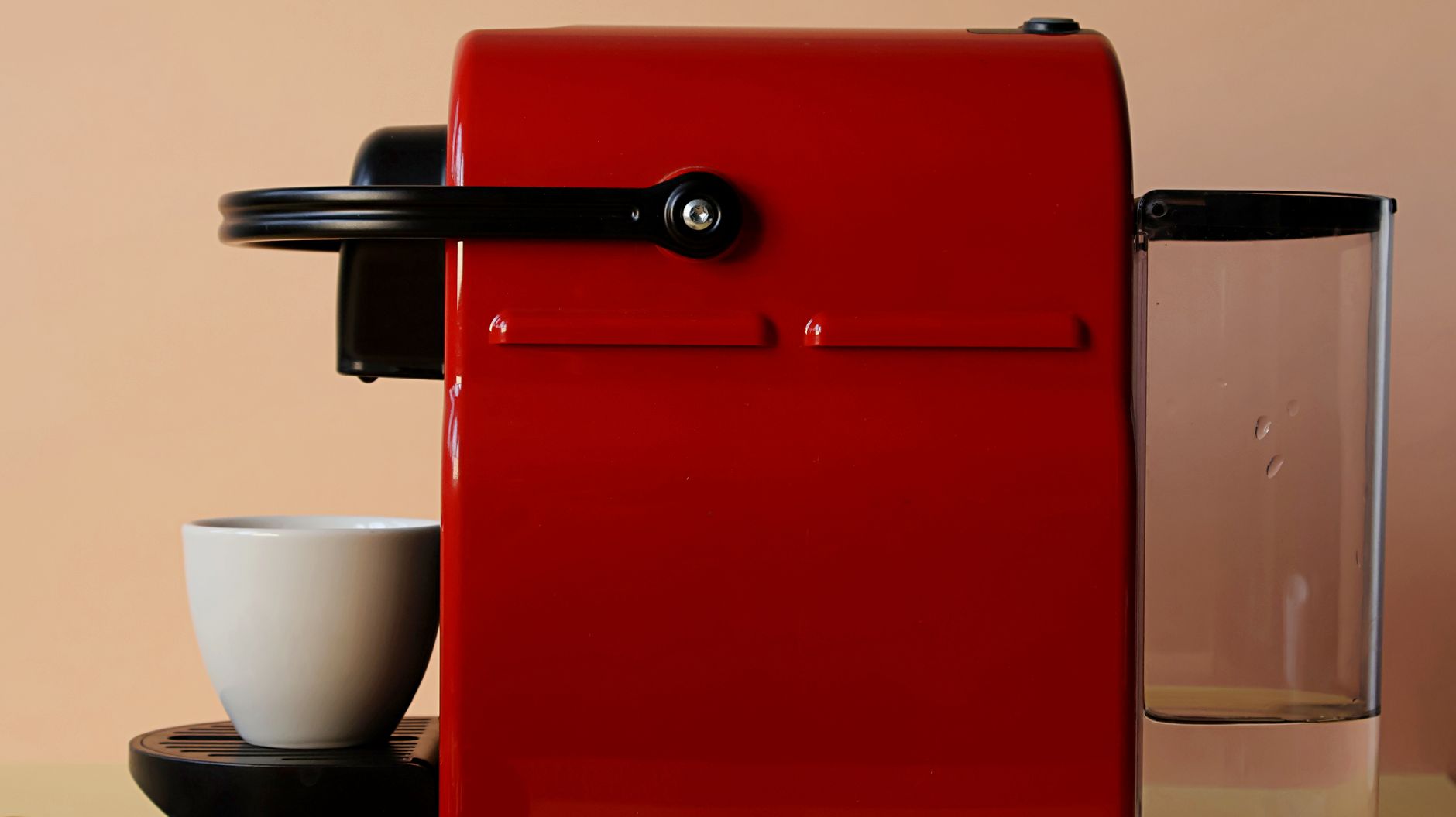
This is the channel that's growing fastest among small‑to‑mid‑size businesses. Instead of buying a brewer outright, you pay a predictable monthly fee that covers premium equipment (e.g., SENSA or Curtis), full maintenance, and even specialty coffee beans. Companies like Busy Bean Coffee provide this model across the United States, removing capital expense and service headaches. In my experience, operators who choose this route avoid the $800–$2,500 upfront cost and save 20–30% on total ownership over three years because repairs and replacement are included.
This is the channel that's growing fastest among small‑to‑mid‑size businesses. Instead of buying a brewer outright, you pay a predictable monthly fee that covers premium equipment (e.g., SENSA or Curtis), full maintenance, and even specialty coffee beans. Companies like Busy Bean Coffee provide this model across the United States, removing capital expense and service headaches. In my experience, operators who choose this route avoid the $800–$2,500 upfront cost and save 20–30% on total ownership over three years because repairs and replacement are included.
💡
Key Takeaway
For most independent cafes and offices, the all‑inclusive managed route eliminates the risk of picking the wrong machine and shifts costs from capital to operating budget.
Why It Matters for Your Business
The wrong purchase channel can lead to expensive mistakes. If you buy a used machine online without proper inspection, you might face a $400 repair within three months. Choosing a dealer without local service means waiting days for a technician. According to a Technomic study, 62% of restaurant operators say equipment downtime directly impacts customer satisfaction, and 30% report lost sales of over $1,000 per day.
Data‑backed reasons to get it right:
- Consistency: Specialty Coffee Association (SCA) research shows that variance in water temperature over 2°F degrades flavor quality. Commercial brewers maintain precise temp control; home units don't.
- Durability: Commercial brewers are built for 500+ cups per day. A typical Bunn commercial brewer lasts 7–10 years vs. 2–3 for consumer models.
- Service Network: 75% of commercial buyers cite "service availability" as their top criteria (2025 NRA survey). Local dealers and managed services prioritize nearby support.
What happens when you ignore the "where":
- You install an under‑sized brewer that bottlenecks during peak hours.
- You bypass a water filtration system, leading to scale buildup and premature failure.
- You miss out on tax advantages (operating lease vs. depreciating capital asset).
💡
Key Takeaway
The channel you choose determines not just price, but your entire support infrastructure. Prioritize local service and total cost of ownership over the lowest upfront price.
Practical Application: How to Evaluate Your Options
Step 1: Define your volume and workflow
Calculate peak‑hour cup count. For a cafe serving 200 cups/day, a dual‑station batch brewer (like the Curtis G4) is ideal. For an office of 50 people, a single server with a thermal carafe works fine.
Calculate peak‑hour cup count. For a cafe serving 200 cups/day, a dual‑station batch brewer (like the Curtis G4) is ideal. For an office of 50 people, a single server with a thermal carafe works fine.
Step 2: Research local dealers and online prices
Call 2–3 local equipment dealers and ask for quotes on your shortlisted models. Then price the same models on WebstaurantStore or Bunn's website. Note: online prices rarely include delivery ($50–$200) or installation ($150–$400). Adjust your comparison.
Call 2–3 local equipment dealers and ask for quotes on your shortlisted models. Then price the same models on WebstaurantStore or Bunn's website. Note: online prices rarely include delivery ($50–$200) or installation ($150–$400). Adjust your comparison.
Step 3: Factor in total cost of ownership
Use this simple 3‑year calculation:
Use this simple 3‑year calculation:
- Purchase price + installation + 3 years of maintenance contracts + potential repair costs.
- Or: monthly fee × 36 months (with full coverage). Example: A $2,000 brewer with $400 installation and $300/year maintenance = $3,900 total. A managed service at $150/month = $5,400, but includes beans, cleaning, and unlimited service calls. For many, the managed option is cheaper when factoring in coffee costs and lost revenue from downtime.
Step 4: Ask critical questions
- "Is this model plumb‑in or pour‑over? Do I have a water line near my counter?"
- "What is the average response time for a service call in my area?"
- "Does the warranty cover labor and parts for three years?"
- "Can you provide references of similar businesses who bought this model?"
Where Busy Bean Coffee fits in:
Our all‑inclusive solution eliminates Steps 1–3. We assess your space, install a premium SENSA or comparable brewer, and handle all maintenance and coffee supply for one predictable monthly fee. That means zero capital outlay, no hunting for service technicians, and guaranteed quality. See the comparison below.
Our all‑inclusive solution eliminates Steps 1–3. We assess your space, install a premium SENSA or comparable brewer, and handle all maintenance and coffee supply for one predictable monthly fee. That means zero capital outlay, no hunting for service technicians, and guaranteed quality. See the comparison below.
Comparison of Buying Channels
| Channel | Pros | Cons | Best For |
|---|---|---|---|
| Local Dealer | Hands‑on test; local installation/service; relationship for future needs | Higher upfront price; limited inventory; may push specific brands | Operators who want demo, trust local support, and have capital |
| Online Marketplace | Wide selection; low sticker price; transparent reviews | No demo; shipping damage risk; no local service; add‑on costs | Experienced operators who know exact model; high volume purchases |
| Manufacturer Direct | Customization; factory warranty; bulk discounts | Minimum order requirements; no local service; longer lead times | Chains or multi‑unit operators with standardized specs |
| Managed Service (e.g., Busy Bean Coffee) | Zero capital outlay; full maintenance; coffee + equipment in one fee; predictable budget | Monthly contract commitment; limited to provider's equipment lineup | Small‑to‑mid‑size cafes, offices, hotels wanting simplicity |
Common Questions & Misconceptions
Myth #1: "Buying outright is always cheaper in the long run."
Not when you factor in service calls ($150–$300 each), descaling chemicals, and eventual replacement. A managed service can actually be cheaper if you need frequent repairs or are in a hard‑water area. De acordo com relatórios recentes do setor de the 2025 Foodservice Equipment Report, operators using full‑service contracts spend 18% less on equipment over 5 years than those purchasing and self‑maintaining.
Not when you factor in service calls ($150–$300 each), descaling chemicals, and eventual replacement. A managed service can actually be cheaper if you need frequent repairs or are in a hard‑water area. De acordo com relatórios recentes do setor de the 2025 Foodservice Equipment Report, operators using full‑service contracts spend 18% less on equipment over 5 years than those purchasing and self‑maintaining.
Myth #2: "Online is cheapest – just click and it arrives."
Online pricing often omits delivery ($50–$200), installation ($200–$500), and the cost of removing packaging. Plus, if the machine arrives damaged or dead‑on‑arrival, you own the return shipping and wait. In my experience, 1 in 5 online orders for heavy brewers have some damage.
Online pricing often omits delivery ($50–$200), installation ($200–$500), and the cost of removing packaging. Plus, if the machine arrives damaged or dead‑on‑arrival, you own the return shipping and wait. In my experience, 1 in 5 online orders for heavy brewers have some damage.
Myth #3: "Local dealers are outdated and expensive."
While their sticker price is higher, local dealers often include installation, a 30‑day exchange, and priority service. For a crucial piece of equipment like a coffee brewer, the peace of mind is worth the premium.
While their sticker price is higher, local dealers often include installation, a 30‑day exchange, and priority service. For a crucial piece of equipment like a coffee brewer, the peace of mind is worth the premium.
Myth #4: "Used commercial brewers are a great budget choice."
Only if you inspect it personally and verify the history. Many commercial brewers on Craigslist or eBay have internal scale from 10+ years in a hard‑water shop, which can fail within months. I've seen operators spend $600 on a used brewer only to pay $500 in repairs – and still have an old machine. Consider a managed service instead for the same monthly cost.
Only if you inspect it personally and verify the history. Many commercial brewers on Craigslist or eBay have internal scale from 10+ years in a hard‑water shop, which can fail within months. I've seen operators spend $600 on a used brewer only to pay $500 in repairs – and still have an old machine. Consider a managed service instead for the same monthly cost.
Frequently Asked Questions
1. Where can I buy commercial coffee brewers near me in 2026?
The best places are local restaurant equipment dealers (search "restaurant supply [your city]"), online marketplaces like WebstaurantStore, or manufacturer websites (Bunn, Curtis). For a zero‑capital option without hassle, consider a managed service like Busy Bean Coffee, which provides premium equipment and full support for one monthly fee – find us in 20+ U.S. markets. Always check for authorized service coverage in your area before purchasing.
2. Should I lease or buy a commercial coffee brewer?
Leasing (managed service) is ideal if you want to avoid upfront cost, have predictable monthly expenses, and don't want to worry about maintenance or repairs. Buying is better if you have capital, plan to use the machine for 5+ years, and want the best long‑term ROI. However, consider the tax implications: lease payments are 100% deductible as an operating expense; purchased equipment must be depreciated. For most small businesses, leasing improves cash flow.
3. What is the best brand of commercial coffee brewer for a restaurant?
There's no single "best" – it depends on volume. Bunn is the workhorse for average 2–3 gallon batch brewers (Bunn CW series). Curtis offers superior programmability and temperature control (Curtis G4 or G3). Fetco is strong for high‑volume, large‑batch operations. All three are reliable with nationwide support. However, a managed service furnishes you with top‑tier equipment without deciding on brand – they choose the best match based on your site visit.
4. How much does a commercial coffee brewer cost in 2026?
Entry‑level pourover models start around $800. Mid‑range plumb‑in brewers with thermal carafes cost $1,500–$2,500. High‑volume dual‑station units run $3,000–$5,000+. Installation adds $200–$500, and annual maintenance contracts are $200–$400. A managed service like Busy Bean Coffee typically costs $150–$300/month depending on volume, covering equipment, installation, maintenance, and coffee.
5. Can I use a home coffee brewer for my cafe or office?
Technically yes, but it will fail quickly under commercial volume. Home brewers lack the thermal mass to maintain temperature during multiple batches, use inferior materials that crack, and aren't certified for commercial kitchens. Health codes require NSF‑rated equipment. The SCA recommends commercial brewers for any business serving over 50 cups per day. Spending $200 on a home brewer is a false economy – invest in proper equipment or a managed service.
Summary & Next Steps
Finding the right commercial coffee brewers near you means weighing local support, total cost, and your operational needs. The safest route for most independent operators is to start with a local dealer for a demo or jump straight to a managed service to avoid upfront risk. If you have the capital and know exactly what you need, online or manufacturer direct works fine – just budget for installation and eventual repairs.
For a hassle‑free, all‑inclusive solution, explore Busy Bean Coffee. We handle equipment selection, installation, coffee supply, and unlimited service for one predictable monthly fee – no capital expense, no downtime, no stress. Visit busybeancoffee.com to see if we serve your area.
Read more: How to Choose the Right Corporate Cafe Provider in 2026 | Ultimate Guide to Coffee Service Companies | Busy Bean Coffee | Office Espresso Machine Costs: Budget & Buying Guide
About the Author
Travis Estes is the founder of Busy Bean Coffee. With over a decade of experience serving hundreds of foodservice businesses across the U.S., Travis specializes in helping operators eliminate equipment headaches through managed coffee programs. He's a regular contributor to industry publications on coffee service best practices.