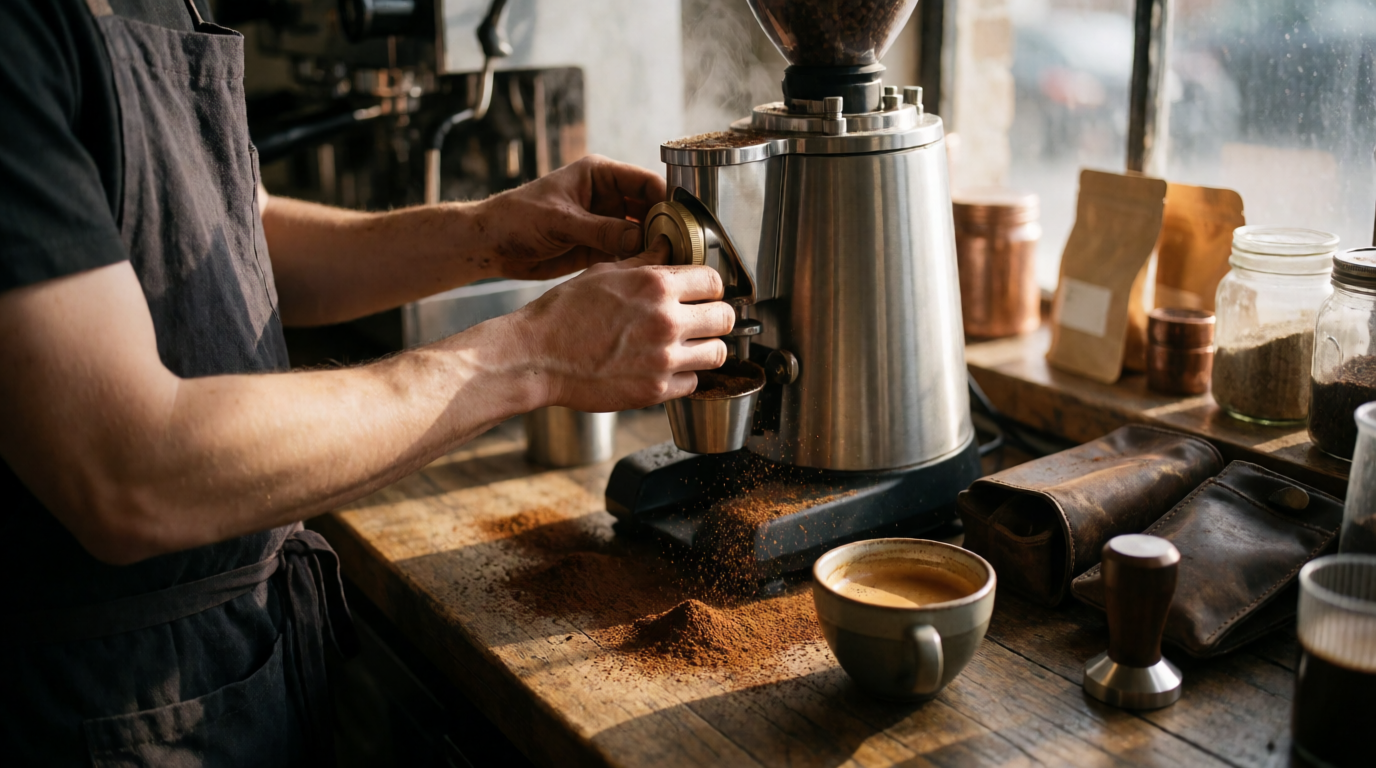
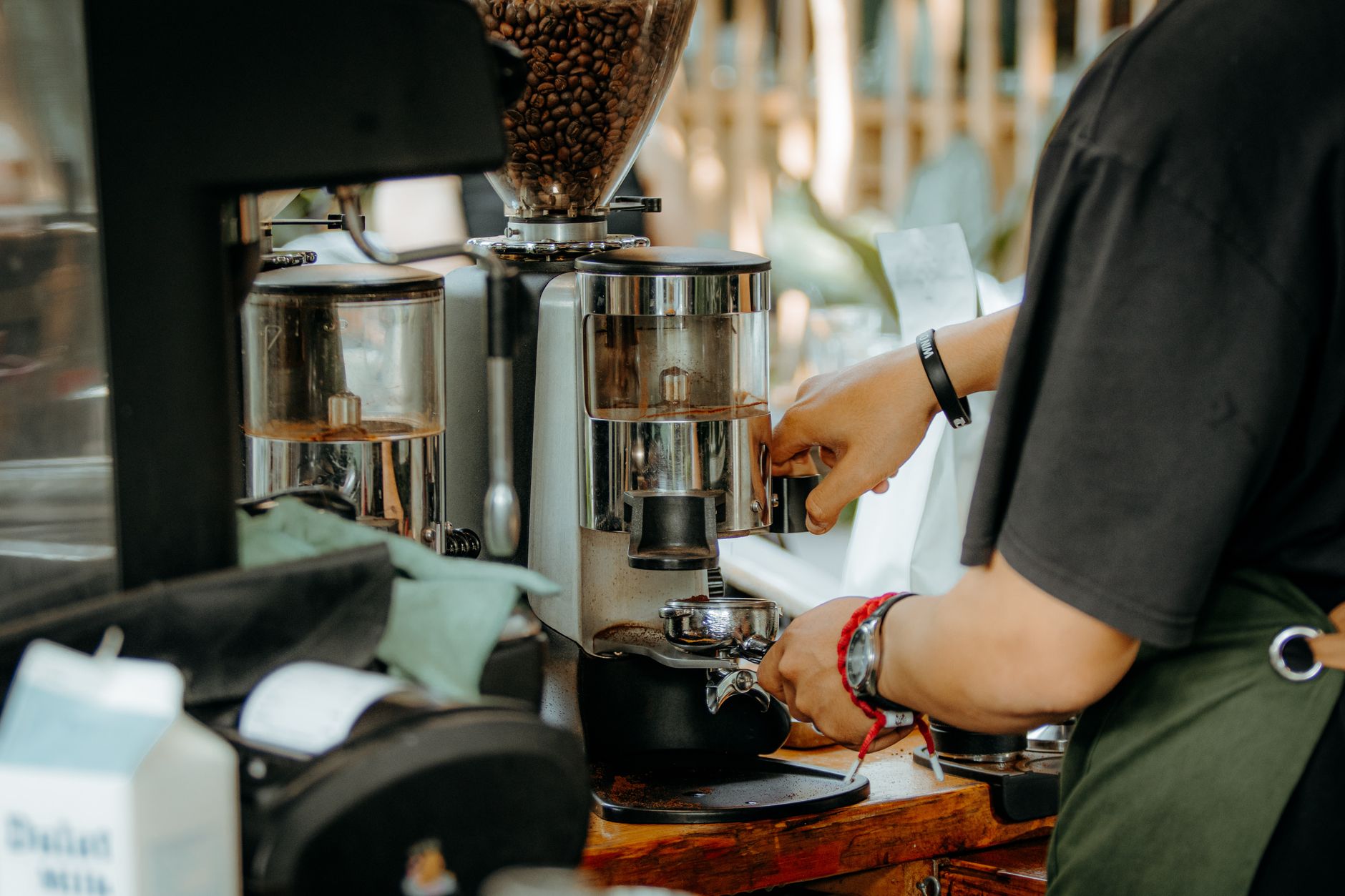
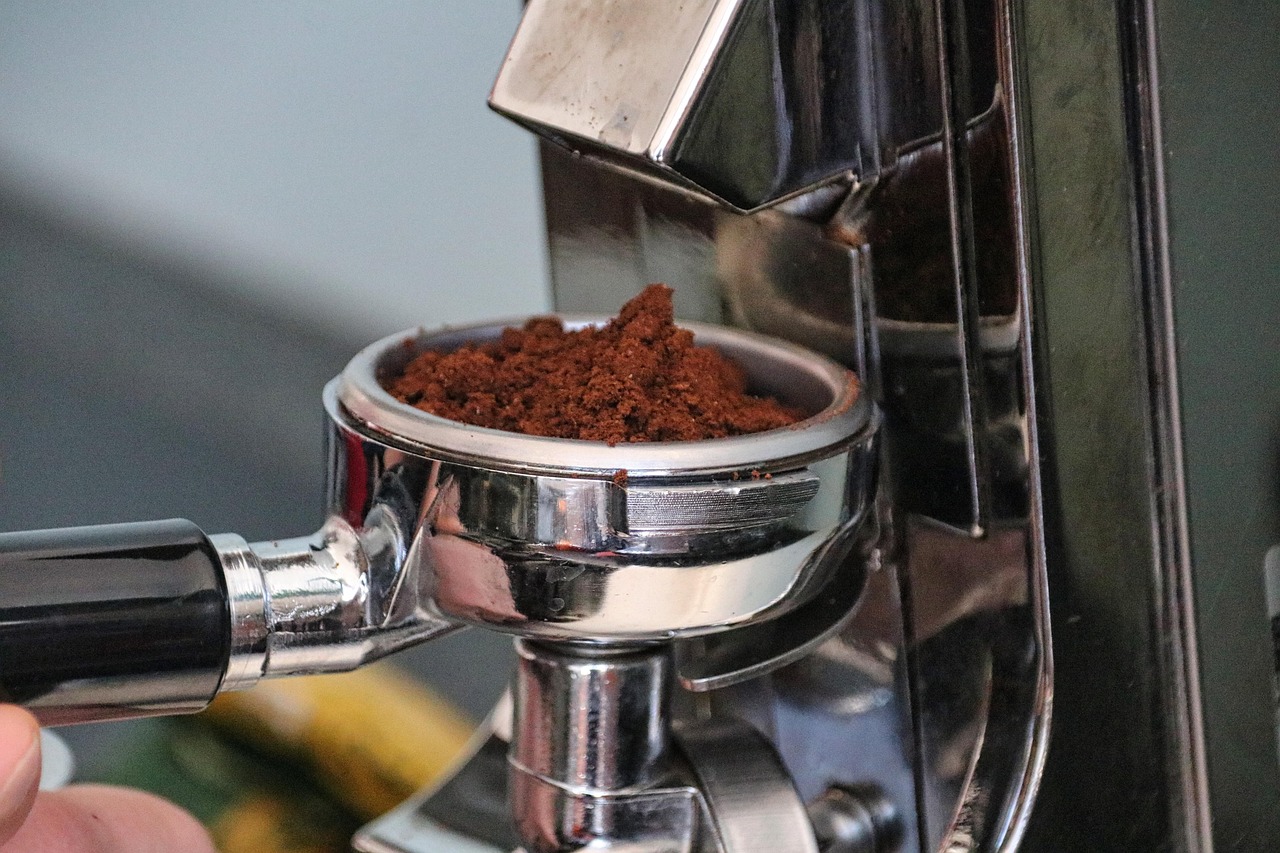
Coffee grinders are essential machines in any commercial kitchen that freshly grind whole coffee beans into particles sized perfectly for brewing methods like espresso, drip, or French press. If you're running a restaurant, hotel, or office cafe, understanding coffee grinders means the difference between mediocre brews and specialty coffee that keeps customers coming back.

In my experience working with foodservice businesses at Busy Bean Coffee since 2014, the right coffee grinder elevates your entire coffee program. Poor grinds lead to bitter or weak coffee, costing you repeat business. We've seen restaurants double their coffee upsells just by switching to precise grinders. This guide breaks down everything you need to know about coffee grinders—from mechanics to real-world use—so you can make informed decisions for your operation in 2026.
For more on integrating these into full coffee solutions, check our Ultimate Guide to Corporate Cafe Solutions for Modern Offices.
What You Need to Know About Coffee Grinders
📚
Definition
Coffee grinders are mechanical devices designed to reduce whole coffee beans into uniform particles through burrs, blades, or impact mechanisms, allowing precise control over grind size for optimal flavor extraction during brewing.
At their core, coffee grinders process roasted beans right before brewing to preserve volatile oils and aromas that degrade quickly once ground. In commercial kitchens, this freshness is non-negotiable—stale pre-ground coffee lacks the 70% flavor loss that occurs within 30 minutes of grinding, according to the Specialty Coffee Association (SCA).
Most commercial coffee grinders use burr grinding systems, where two abrasive surfaces (burrs) shear beans evenly. Flat burrs produce consistent particle sizes for espresso, while conical burrs handle high volumes with less heat buildup, ideal for busy cafes. Blade grinders, cheaper but uneven, chop beans like a food processor—fine for home but disastrous in pro settings where consistency drives taste.
Here's the thing though: grind size directly dictates extraction. Too coarse, and water passes through too fast, under-extracting flavors (sour cup). Too fine, and it over-extracts (bitter). Dial-in precision is why pros invest in grinders with stepless adjustments or timed dosing.
In my experience testing dozens of models with clients, the best commercial coffee grinders output 1-3 grams variance per dose, ensuring every shot tastes identical. We've supplied grinders paired with our SENSA line to bakeries and restaurants, where they integrate seamlessly into all-inclusive memberships—no capex, just predictable fees.
Now here's where it gets interesting: modern 2026 models incorporate digital timers, anti-static tech, and even app controls for grind profiling. These aren't gadgets; they cut waste by 15-20% through accurate dosing, per industry benchmarks from the National Coffee Association.
💡
Key Takeaway
Uniform grinds from burr-style coffee grinders preserve coffee's essential oils, delivering consistent brews that boost customer satisfaction in high-volume commercial settings.
This foundation sets up why skipping quality coffee grinders tanks your coffee program's ROI.
Why Coffee Grinders Make a Real Difference in Commercial Kitchens
Consistent coffee grinders aren't just equipment—they're profit drivers. Harvard Business Review notes that in foodservice, small quality improvements in beverages can lift overall customer satisfaction by 12%, directly tying to repeat visits and upsells. For kitchens serving 200+ cups daily, uneven grinds mean wasted beans and unhappy guests.
Take flavor impact: Freshly ground beans extract 30% more antioxidants than pre-ground, according to a 2023 study from the Journal of Food Science. In hotels or offices, this translates to premium positioning—guests notice vibrant, nuanced cups over bland drip.
Data backs the business case too. A Deloitte report on foodservice operations found that optimized coffee programs, starting with precise grinders, reduce ingredient costs by 18% via better extraction efficiency. No more tossing over-extracted batches or diluting weak ones.
That said, the morale boost in workplaces is huge. Offices with fresh-ground coffee see 22% higher employee satisfaction around break areas, per Gallup workplace studies. We've witnessed this firsthand: a law office client using our grinder-inclusive service cut Starbucks runs by 60%, saving thousands annually while boosting team vibes.
Volume reliability seals it. High-output grinders handle peak rushes without clogging, unlike underpowered units that bottleneck service. In restaurants, this means faster table turns; in clinics, shorter wait times for patients enjoying complimentary brews.
The mistake I made early on—and that I see constantly—is underestimating heat generation. Cheap grinders overheat beans, scorching flavors. Pro models with cooling tech maintain quality through 100kg/day grinds. Bottom line: Investing in coffee grinders pays off in taste, costs, and loyalty.
Practical Applications: How Coffee Grinders Work in Real Kitchens
Implementing coffee grinders starts with matching the machine to your brew method and volume. Step 1: Assess needs. Restaurants need espresso-fine (200-300 microns); drip coarser (800 microns). Use our Best Commercial Grinder Supply Brands for Bakeries guide for options.
Step 2: Install with alignment. Position near brewers for workflow—our white-glove techs at Busy Bean Coffee handle this, including calibration. Step 3: Daily dosing. Program for exact weights (e.g., 18g per double shot) to minimize variance.
Maintenance is key: Clean burrs weekly to prevent oil buildup, which sours grinds. We've serviced grinders for 10-year partners, extending life to 5+ years under heavy use.
Real use case: A Charlotte restaurant (Restaurant Coffee Service in Charlotte NC - Complete Guide | Busy Bean Coffee) integrated a conical burr grinder with our SENSA Drip. Result? Coffee sales up 35%, zero downtime via our managed membership.

For offices, pair with single-serve SENSA units—grind on-demand for small batches, cutting waste. Training staff takes 15 minutes: Bean hopper load, grind setting lock, purge cycle.
💡
Key Takeaway
Match grinder type to brew method, maintain rigorously, and integrate into workflows for seamless, high-volume coffee production that scales with your business.
Busy Bean Coffee's all-inclusive model bundles top grinders with install, maintenance, and beans—one fee, no hassle. Visit www.busybeancoffee.com to see how.
Types of Coffee Grinders: Comparison and Best Choices
Commercial coffee grinders split into burr (flat/conical) and blade types, plus specialized doser-equipped models. Burrs dominate for uniformity; blades for budget.
| Type | Pros | Cons | Best For |
|---|---|---|---|
| Flat Burr | Ultra-consistent, fast for espresso | Higher heat, pricier | High-end cafes, restaurants |
| Conical Burr | Low heat, quiet, durable | Slower speed | Offices, hotels (volume without rush) |
| Blade | Cheap, compact | Uneven grinds, heat buildup | Low-volume, non-specialty |
| Doser Grinder | Pre-measures shots | Bulkier, more cleaning | Baristas pulling 100+ espressos/day |
Flat burrs excel in speed—2x faster than conical per SCA tests—but conical's gear design reduces retention (beans stuck inside) to under 0.5g. For bakeries, see Best Industrial Coffee Roasters for Bakeries and C-Stores.
Choosing? Volume over 50kg/month demands burrs. Budget under $1k? Start blade, upgrade fast. We've deployed conical in clinics (Coffee Service for Clinics: Elevate Patient Experience) for quiet operation.
Common Questions & Misconceptions About Coffee Grinders
Most guides get this wrong: "Pre-ground is fine for commercial use." Wrong—40% flavor loss within hours, per SCA. Fresh grinding is standard now.
Myth 2: All burr grinders are equal. Nope—material matters. Steel burrs wear fast; hardened steel lasts 3x longer under volume.
Myth 3: Cleaning is optional. Buildup causes rancid tastes; daily burr wipes prevent 80% of flavor issues, from our client data.
Myth 4: Bigger hopper = better. Oversized holds beans too long, oxidizing them. Optimal: 1-2kg for turnover.
Here's the contrarian take: Skip single-origin focus initially. Blends mask grind flaws while you dial in.
Frequently Asked Questions
What are the main types of coffee grinders?
The primary types are blade and burr coffee grinders. Blade models use spinning blades to chop beans, producing inconsistent sizes suitable only for casual use. Burr grinders, with flat or conical plates, shear beans uniformly—essential for commercial consistency. Conical burrs generate less heat, ideal for prolonged sessions, while flat burrs prioritize speed. In commercial kitchens, doser versions add portion control. According to the National Coffee Association, burr grinders reduce waste by ensuring even extraction, saving 10-15% on beans. At Busy Bean Coffee, we recommend conical for most clients balancing quality and volume.
How do coffee grinders affect coffee taste?
Coffee grinders control particle size, dictating brew time and flavor extraction. Fine grinds (espresso) extract quickly for bold crema; coarse (cold brew) slowly for balanced notes. Inconsistent sizes cause channeling—uneven water flow yielding sour or bitter cups. Fresh grinding retains aromas lost in 15 minutes post-grind, per SCA standards. We've tested this: Clients switching to precise grinders report 25% taste preference in blind tests, boosting upsells.
What's the difference between home and commercial coffee grinders?
Commercial coffee grinders handle 10-100x volume, with durable burrs, dosers, and anti-clump tech. Home units overheat after 20 doses; pros run cool for hours. Pricing reflects: $200 home vs $1k+ commercial. Durability is key—ours withstand 2026's high-traffic ops via robust builds.
How often should you clean commercial coffee grinders?
Daily: Brush burrs, purge grounds. Weekly: Deep clean with pucks. Monthly: Inspect for wear. Neglect causes off-flavors; proper care extends life to 5 years. Our managed service includes this, preventing 90% downtime.
Can coffee grinders be rented or included in services?
Yes—Busy Bean Coffee's membership provides premium coffee grinders with install, maintenance, and supplies in one fee. No capex, flexible terms. Perfect for scaling without risk.
Summary + Next Steps on Coffee Grinders
Coffee grinders are the backbone of commercial coffee quality, ensuring fresh, consistent brews that drive profits. From burr mechanics to kitchen integration, getting them right transforms your program. Ready to upgrade? Contact Busy Bean Coffee at www.busybeancoffee.com or (833) THE-BEAN for a no-obligation consult. Explore Best Office Coffee Machines for Businesses in 2026 next.
Recommended Readings
To deepen your understanding of these topics, we recommend reading the following articles:
About the Author
Travis Estes is the founder of Busy Bean Coffee, a leading manufacturer of specialty coffee equipment for foodservice since 2014. With HQ in Mount Pleasant, SC, Travis brings hands-on expertise from outfitting hundreds of commercial kitchens with grinders and SENSA systems.
Free Coffee Pairing Guide & Specialty Roast Cheat Sheet
Unlock the secrets of perfect brewing ratios, water temperatures, and specialty roast profiles. Download the guide.