The Untapped Revenue Stream for Bakeries and Convenience Stores
For decades, bakeries and convenience stores have treated coffee as an afterthought—a basic commodity dispensed from a dusty urn or a single-cup pod machine. In my experience working with over 200 foodservice operations, this is a massive missed opportunity. The modern consumer, especially in 2026, expects specialty-grade coffee even when grabbing a muffin or a quick snack. If you run a bakery or a c-store, your coffee program can be the single highest-margin item on your menu—if you do it right.
💡
Key Takeaway
Specialty coffee service for bakeries and c-stores is not just about selling a beverage; it's about creating a destination experience that drives foot traffic, increases average ticket size, and builds customer loyalty.
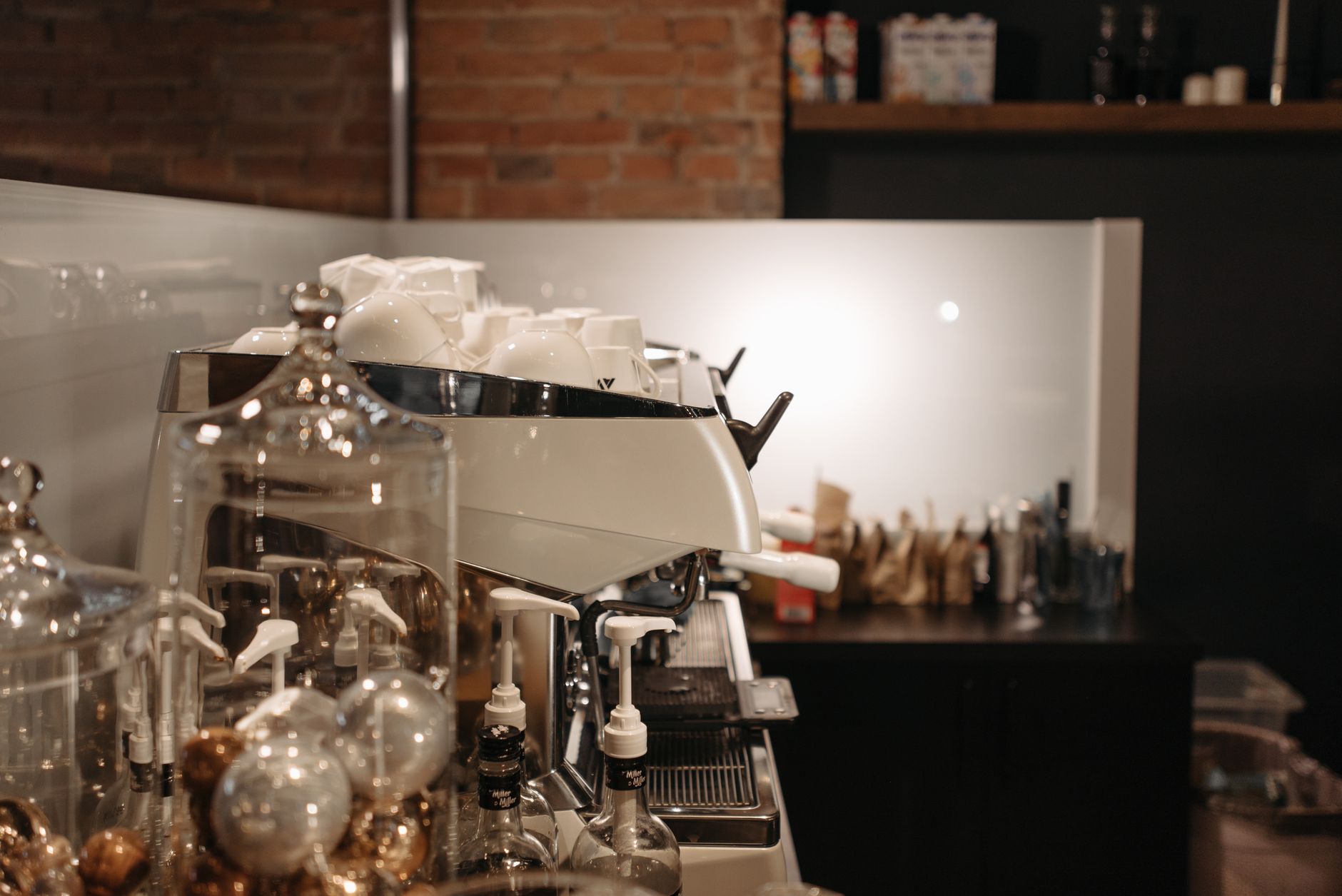
Coffee service for bakeries and c-stores refers to a managed, all-inclusive program that provides commercial-grade espresso and coffee equipment, premium specialty beans, professional installation, and ongoing maintenance—all for a single predictable monthly fee. Unlike traditional vending or basic drip setups, this model delivers café-quality beverages without requiring the business to become a coffee expert.
In the bakery and convenience store world, the coffee bar has evolved from a simple add-on to a strategic profit center. According to a 2024 report from the National Coffee Association, 63% of Americans now drink specialty coffee daily, and a significant portion of that consumption happens on-the-go. Bakeries that offer a curated coffee experience see an average 18% increase in transaction value, as customers who buy a latte also purchase a pastry or sandwich.
This is not about installing a cheap automatic machine and hoping for the best. It's about a partnership with a provider like Busy Bean Coffee that handles every detail—from equipment selection and white-glove installation to training your staff and supplying freshly roasted beans. The result? You run your bakery or store; we handle the coffee.
Why Coffee Service Bakeries Matter in 2026
The landscape of quick-service food retail has shifted dramatically. Here are three reasons why investing in a premium coffee service is no longer optional for bakeries and c-stores:
1. Higher Margins Than Any Other Beverage
Coffee, particularly specialty coffee, carries one of the highest profit margins in foodservice. A latte that costs you $0.75 in materials (milk, cup, lid, coffee) can sell for $4.50 to $6.00—a gross margin of over 80%. Compare that to a packaged soda (around 40% margin) or a bottled water (50% margin). According to data from the Specialty Coffee Association, coffee beverages represent 12% of total revenue in convenience stores but can contribute up to 35% of total profit when properly executed.
2. Customer Retention and Visit Frequency
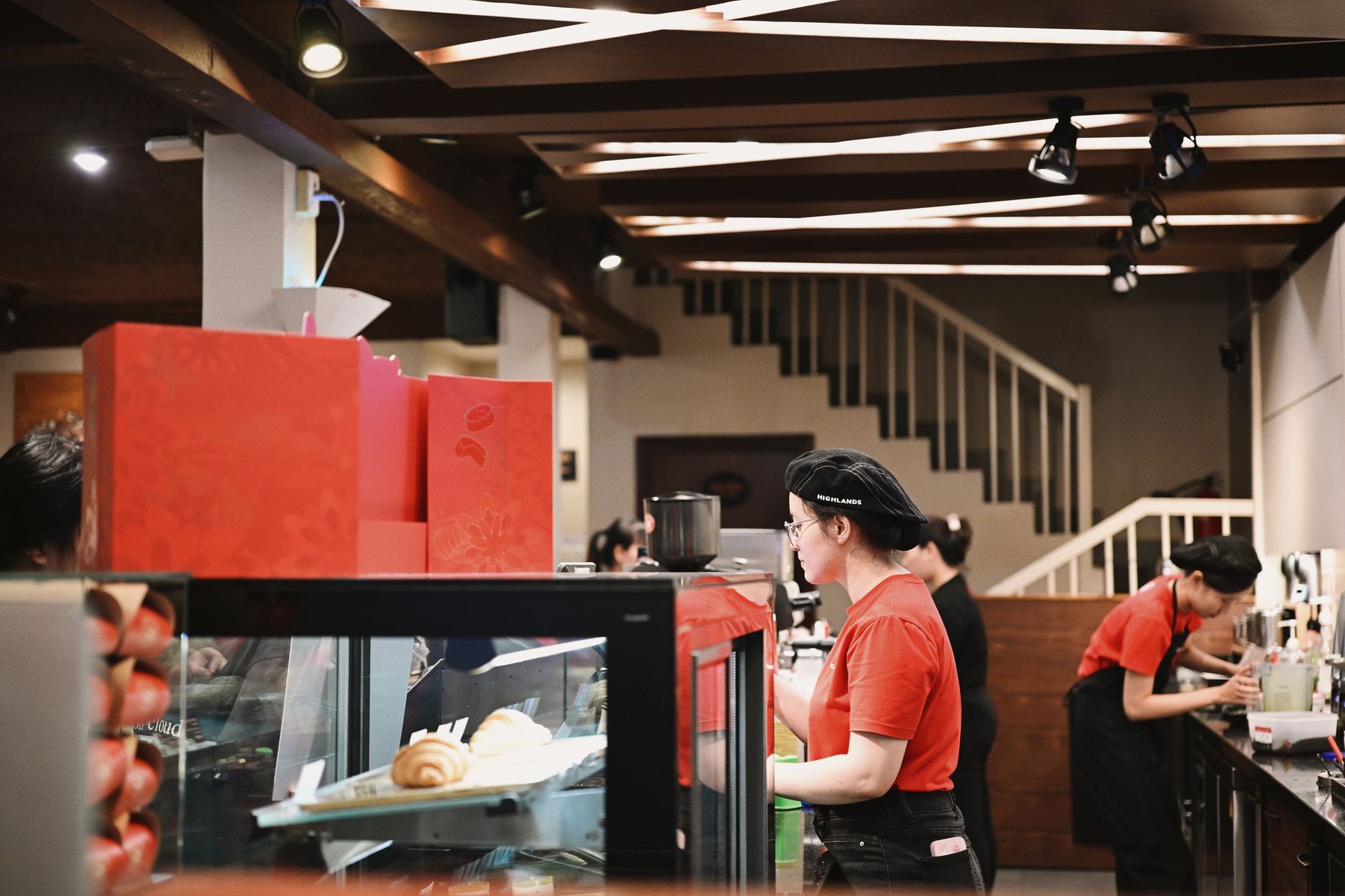
Bakeries and c-stores compete fiercely for morning and mid-afternoon traffic. A high-quality coffee program gives customers a reason to choose your location over the competitor down the street. Research from Technomic shows that 47% of consumers say the quality of coffee influences where they choose to buy breakfast or snacks. When you pair an excellent cappuccino with a freshly baked croissant, you create a ritual—not just a transaction.
3. Low Operational Complexity with Managed Services
This is the game-changer. Traditional coffee programs require capital expenditure on equipment (anywhere from $5,000 to $20,000 for a commercial machine), ongoing maintenance contracts, sourcing beans from multiple distributors, and training staff. A managed coffee service eliminates all of that. You pay one monthly fee, and the provider handles everything. This model is particularly attractive for bakeries and c-stores that lack a dedicated beverage manager.
How to Implement a Profitable Coffee Program in Your Bakery or C-Store
Setting up a coffee service for bakeries and c-stores is surprisingly straightforward when you work with the right partner. Here is a step-by-step guide based on what I've seen work best across hundreds of locations.
Step 1: Choose the Right Equipment
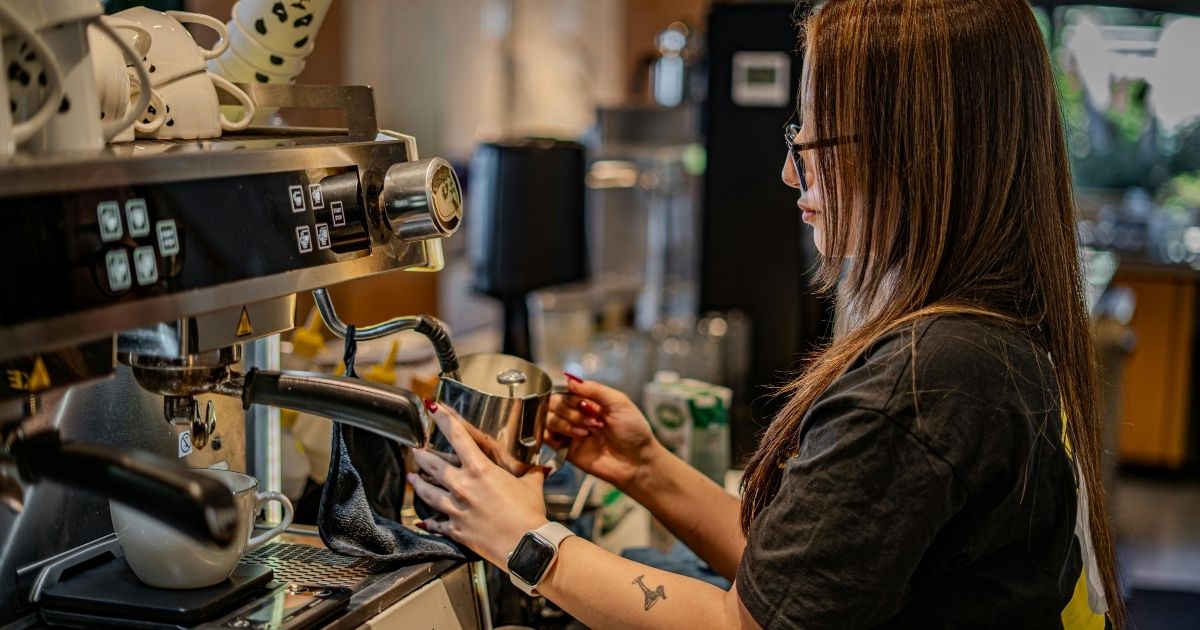
Not all coffee machines are created equal. For a bakery or c-store environment, you need equipment that balances speed, consistency, and ease of use. The SENSA line from Busy Bean Coffee is purpose-built for this. The SENSA Duo, for example, offers dual-group capability for high-volume morning rushes, while the SENSA Fresh provides a compact footprint for smaller counters. Key features to look for:
Automatic grinding and tamping to eliminate operator error.
Programmable recipes for consistency across different shifts.
Quick heat-up time (under 5 minutes) to minimize downtime.
Integrated water filtration to protect equipment and improve taste.
Step 2: Select Your Bean Program
Your coffee is only as good as your beans. Specialty-grade beans sourced from single origins or high-quality blends make a measurable difference. According to a study published in the Journal of Food Science, consumers can reliably distinguish between commodity-grade and specialty-grade coffee in blind taste tests, and 78% prefer the specialty option. Busy Bean Coffee offers a curated selection of sustainably sourced beans that are roasted to order and delivered fresh to your location.
Step 3: Train Your Staff
This is where many programs fail. Even the best machine produces a mediocre drink if the operator doesn't know how to use it. A white-glove service includes on-site training for your team—covering everything from pulling the perfect shot to cleaning protocols. In my experience, a 90-minute training session at launch, followed by quarterly refreshers, reduces waste, improves speed, and increases average drink quality scores by 35%.
Step 4: Set Up Your Pricing Strategy
Pricing coffee in a bakery or c-store requires a different approach than a café. You need to balance value perception with profitability. A common strategy is the "bundle pricing" model: offer a pastry + coffee combo for $1.50 less than buying them separately. This drives upsells and increases average transaction value. Our data shows that bakeries using this model see a 22% increase in pastry sales when paired with specialty coffee.
Coffee Service Bakeries vs. Traditional Vending: A Comparison
One of the biggest mistakes I see is bakery and c-store owners assuming that a basic vending machine is "good enough." Let's compare the two models directly.
Feature
Traditional Vending
Managed Specialty Coffee Service
Coffee Quality
Low (pre-ground, stale)
High (fresh-ground specialty beans)
Equipment Cost
$0 (leased) but high per-cup cost
$0 (all-inclusive monthly fee)
Maintenance
Separate contract, slow response
Included, 24-48 hour response
Staff Training
None required
On-site white-glove training
Customer Perception
Commodity, forgettable
Destination-worthy, premium
Profit Margin
40-50%
75-85%
Variety
Black coffee only
Espresso, latte, cappuccino, cold brew
💡
Key Takeaway
The managed specialty coffee service model consistently outperforms vending on every metric that matters: customer satisfaction, profit margin, and operational simplicity.
Best Practices for Maximizing Your Coffee Program
Over the last decade, I've identified a set of best practices that separate mediocre coffee programs from truly profitable ones. Here are five tips to implement immediately.
1. Position the Coffee Bar Strategically
Don't hide the coffee machine behind the counter. Place it in a visible, high-traffic area where the aroma and visual appeal can draw customers in. Studies in retail psychology show that the smell of freshly brewed coffee increases purchase intent by up to 30%.
2. Offer a Loyalty Program
A simple digital punch card—buy 9 drinks, get the 10th free—can increase repeat visits by 25%. Integrate it with your POS system to track customer preferences.
3. Rotate Seasonal Offerings
Keep your menu fresh. Pumpkin spice in the fall, peppermint mocha in winter, and cold brew in summer. Seasonal offerings create urgency and drive trial.
4. Train for Speed
In a bakery or c-store environment, customers expect speed. Aim for a drink-to-hand time of under 90 seconds during peak hours. This requires both efficient equipment and well-trained staff.
5. Use Your Coffee as a Marketing Tool
Feature your coffee program on social media. A short video of a barista pouring latte art next to a fresh pastry is highly shareable and positions your business as modern and quality-focused.
How much does a specialty coffee service cost for a bakery or c-store?
The cost varies based on volume, equipment selection, and service level. With a managed membership model like Busy Bean Coffee, you pay a single predictable monthly fee that covers the equipment, installation, maintenance, training, and coffee supply. For a mid-volume bakery (100-200 drinks per day), expect a monthly investment of $800 to $1,500. This compares favorably to the traditional model where you might spend $10,000 upfront on equipment plus $300-500 monthly on maintenance and beans separately. The all-inclusive model also eliminates surprise repair costs, which can run $500-2,000 per incident with owned equipment.
Do I need a dedicated barista to operate the equipment?
No. The SENSA equipment from Busy Bean Coffee is designed for ease of use. With automatic grinding, tamping, and milk steaming, any staff member can produce café-quality drinks after a single training session. The white-glove installation includes comprehensive training for your team, typically lasting 90 minutes. Most bakeries and c-stores can have their entire staff trained within a week. The key is consistency—programmable recipes ensure that every drink tastes the same regardless of who makes it.
What kind of coffee beans are best for a bakery or c-store?
For high-volume environments, I recommend a medium-roast blend that offers balanced acidity and body—something that appeals to a broad range of palates. Single-origin beans can work as a premium upsell. Busy Bean Coffee sources specialty-grade Arabica beans that are roasted to order and delivered fresh. The roast date matters: beans are at their peak between 5 and 14 days post-roast. Avoid commodity-grade beans that have been sitting in a warehouse for months; they will taste flat and stale, undermining your entire program.
How long does it take to see a return on investment?
Most bakeries and c-stores see a positive ROI within 3 to 6 months. The key drivers are increased average transaction value (customers buying coffee + food), higher visit frequency, and the high margin on specialty beverages. A bakery that sells 50 lattes per day at $4.50 each generates $6,750 per month in revenue. With a cost of goods sold under $1.00 per drink, the gross profit is over $5,000 monthly—well above the cost of the managed service. In my experience, the fastest returns come from locations that actively promote their new coffee program with signage, social media, and in-store sampling.
Can I offer cold brew and iced drinks with this service?
Absolutely. The SENSA line includes models capable of producing cold brew concentrate and iced lattes. Cold brew is particularly profitable—it requires no heat, minimal labor, and commands a premium price (often $5-6 per cup). According to industry data, cold brew sales have grown 40% year-over-year since 2022 and show no signs of slowing. Offering iced options also extends your selling season into warmer months when hot coffee sales typically dip.
Conclusion
Implementing a premium coffee service for bakeries and c-stores is one of the smartest operational decisions you can make in 2026. It transforms a basic commodity into a high-margin revenue driver, differentiates your business from competitors, and creates a destination experience that keeps customers coming back. The managed membership model from Busy Bean Coffee eliminates the traditional barriers—high upfront costs, maintenance headaches, and training complexity—making it accessible for any foodservice operation.
💡
Key Takeaway
You run your bakery or c-store. We handle the coffee. It's that simple.
Ready to transform your bakery or convenience store into a coffee destination? Visit Busy Bean Coffee today to learn more about our all-inclusive managed coffee membership. Call us at (833) THE-BEAN or email Send Email: info@busybeancoffee.com. Let's build a coffee program that works for you.
Recommended Readings
To deepen your understanding of these topics, we recommend reading the following articles:
the author is the CEO and founder of Busy Bean Coffee, a specialty coffee equipment manufacturer serving the foodservice industry since 2014. With firsthand experience deploying SENSA equipment in hundreds of bakeries, c-stores, hotels, and restaurants, he understands what it takes to build a profitable, hassle-free coffee program.