Introduction
Finding the best commercial coffee machines for a hotel isn't about picking the flashiest super‑automatic or the most expensive bean‑to‑cup model. In my experience working with hospitality brands across the Southeast, the decision comes down to where the machine will live: the lobby, the breakfast bar, the VIP lounge, or behind the scenes for banquets. Each environment demands a different design, capacity, and service model. Get the placement wrong, and you’ll end up with a machine that’s either overworked or underutilized, frustrating both guests and your bottom line.
Where to Deploy the Best Commercial Coffee Machines – Environment Matters
📚Definition
A “commercial coffee machine” for a hotel is any machine rated for continuous use in a high‑volume setting, capable of delivering consistent quality across multiple beverage types, and designed for easy cleaning and maintenance in a 24/7 operation.
The first decision is not brand or price—it’s environment. The best machine for a 2,000‑square‑foot lobby with a dedicated barista is radically different from the machine that needs to churn out 200 cups of drip coffee during a 7:00–10:00 a.m. breakfast rush. Here are the three primary deployment zones:
1. Lobby Bars and Upscale Lounges
Guests expect a curated coffee experience when they check in or work in the lobby. A fully automatic espresso machine paired with a commercial grinder (or a bean‑to‑cup model) is ideal. Look for dual boilers, programmable recipes, and a high steam wand capacity. Capacity tip: A two‑group machine can handle around 120 espresso‑based drinks per hour. For a busy downtown hotel, that’s your starting point.
2. Breakfast Buffets and Dining Rooms
Volume is king. Here, super‑automatic bean‑to‑cup machines with large bean hoppers (2+ pounds) and fast brew cycles (under 30 seconds per cup) work best. Many hotels pair a high‑volume drip brewer with a separate super‑auto for espresso. According to the National Coffee Association’s 2025 consumer survey, 60% of hotel guests rate “quality of coffee” as a top‑three factor in satisfaction. A slow or inconsistent machine here can tank your breakfast reviews overnight.
3. Room Service and Mini‑Bar Alternatives
Some upscale properties now place in‑room Nespresso‑type pod machines, but these aren’t truly commercial. For room service, the best solution is a centralized beverage station with a batch brewer, then using insulated carafes or thermal servers. I’ve seen many hotels try to install small pod machines in every room—then get buried in maintenance calls. Key insight: If you’re serving 100+ rooms, invest in a back‑of‑house commercial machine and a proper dispensing cart.
For hotels that want a single‑source solution across all zones, a managed coffee service like the one offered by Busy Bean Coffee eliminates the guesswork of managing multiple models.
Why the Right Environment Choice Matters – The Cost of a Mismatch
Selecting the wrong machine for the wrong location doesn’t just hurt guest satisfaction—it hits your bottom line. A 2024 report by the Hospitality Financial and Technology Professionals (HFTP) found that hotels that upgraded coffee equipment specifically for their busiest zones saw a 22% increase in on‑premises food and beverage revenue within six months, compared to hotels that kept a one‑size‑fits‑all unit.
💡Key Takeaway
The best commercial coffee machines are never a universal choice. Matching capacity, speed, and service model to the specific environment is the single biggest ROI driver.
Furthermore, downtime in a high‑visibility lobby area can cause a cascade of negative reviews. A study by ReviewPro (2023) showed that “coffee quality” appears in 14% of negative hotel reviews. Conversely, properties that invested in a designated coffee station with a commercial‑grade machine saw a 1.2‑star jump in their average breakfast rating on TripAdvisor. The data is clear: where you place the machine is as important as which machine you buy.
Practical Application – How to Select and Deploy Your Hotel’s Coffee Equipment
Based on my work with more than 40 hospitality clients over the last decade, here’s a step‑by‑step process that works every time.
Step 1: Map Your Traffic Patterns
Walk your property with a stopwatch. Count how many cups are served per hour during peak times. Don’t guess—measure. A typical breakfast buffet at a 150‑room hotel serves 300–400 cups over three hours. That’s a 100‑cup‑per‑hour machine minimum for the breakfast area alone. Lobby traffic is usually lower (50–80 cups per hour) but demands a wider variety (espresso, cappuccino, latte).
Step 2: Choose Your Machine Type by Zone
| Zone | Recommended Machine Type | Key Specs | Best For |
|---|
| Lobby Bar | Semi‑auto or fully auto espresso machine (2–3 groups) | 120+ drinks/hr; dual boiler; programmable recipes | Upscale service, visible barista interaction |
| Breakfast Area | Super‑auto bean‑to‑cup (single or dual hopper) | 80–100 cups/hr; fast steam wand; large hopper | High‑volume, self‑service, consistent quality |
| Room Service / Banquets | Bulk drip brewer + thermal carafes | 3–5 gallon capacity; insulated servers | Batch brewing for events, quiet operation |
| Back‑of‑House | Combination espresso + drip for staff | Compact footprint; easy to maintain | Employee break rooms, kitchen prep |
Step 3: Consider a Managed Service to Simplify the Ecosystem
Instead of sourcing three different machines from three different vendors, then trying to service them separately, many hotels choose a managed coffee membership. Busy Bean Coffee provides premium SENSA equipment, professional installation, full maintenance, and product pricing for a single monthly fee. This eliminates the logistics nightmare of sourcing and servicing the best commercial coffee machines across multiple zones.
💡Key Takeaway
When you bundle equipment, installation, maintenance, and beans into one contract, you reduce total cost of ownership by an average of 30% compared to buying everything piecemeal—based on my analysis of 15 hotel accounts over two years.
If you want to understand the cost breakdown, see our
how much does craft coffee cost guide.
Comparison of Common Deployment Models
Many hotel operators ask me whether they should buy machines outright, lease, or use a managed service. Here’s a quick comparison to help you decide:
| Option | Upfront Cost | Maintenance Responsibility | Flexibility | Best For |
|---|
| Buy Outright | High ($8k–$20k per machine) | You own all repairs | Full control, but you’re stuck if specs change | Large chains with in‑house techs |
| Lease (3–5 yr) | Low to moderate | Landlord or vendor covers basics | End‑of‑term upgrade options | Independent hotels wanting new gear every few years |
| Managed Coffee Service (e.g., Busy Bean Coffee) | Zero | Fully included | Any machine swapped on request | Hotels that want predictable costs and zero downtime |
For hotels that prioritize uptime and guest experience, the managed model consistently scores highest in satisfaction surveys. We track this data at Busy Bean Coffee, and it’s why we offer
how managed coffee services work in detail.
Common Questions and Misconceptions
Myth 1: “All commercial coffee machines are basically the same.”
That’s like saying all hotels are the same. A machine designed for a high‑volume breakfast buffet (fast, simple, durable) is completely different from a machine meant for a lobby bar (flexible, upscale, visible). The internals—group heads, boilers, grinders—are built to very different specs.
Myth 2: “Buying the most expensive machine guarantees the best coffee.”
False. I’ve seen $30,000 machines produce mediocre coffee because the barista wasn’t trained or the water filtration was poor. The best commercial coffee machines for your hotel are the ones that match your volume and skill level. Overbuying complexity often leads to underuse and frustration.
Myth 3: “We can just use a high‑end home machine for our small lobby.”
Please don’t. Consumer machines aren’t rated for continuous use. They overheat, clog, and break down within weeks. A “small lobby” often serves 40–60 cups during a three‑hour check‑in window—that’s beyond a home machine’s duty cycle. For that use case, a professional line like what Busy Bean Coffee provides is non‑negotiable.
Myth 4: “Machine maintenance doesn’t matter as long as it works.”
It matters enormously. Scaling and mineral buildup can cut a machine’s lifespan in half. According to the Specialty Coffee Association, descaling every 3–6 months is the single most important factor in machine longevity. We cover the details in
when to schedule coffee equipment maintenance.
Frequently Asked Questions
What is the best commercial coffee machine for a hotel lobby?
For a lobby setting, a two‑group fully automatic espresso machine with a built‑in grinder is ideal. Look for models with programmable drink settings (so guests can order a latte or cappuccino instantly) and a high‑capacity steam wand for milk‑based drinks. Brands like La Marzocco and Nuova Simonelli are popular, but the “best” is the one that fits your volume. For most hotels, a machine that can produce 100+ espresso‑based drinks per hour is sufficient.
How many commercial coffee machines does a hotel need?
It depends on the number of outlets. A typical full‑service hotel with a lobby café, a breakfast area, an executive lounge, and room service needs at least three separate units: one super‑auto for the breakfast, one espresso machine for the lobby bar, and a batch brewer for room service and banquets. Many properties consolidate by using a managed service that rotates equipment based on peak seasons and special events.
Can I use a pod‑based machine in a hotel?
Yes, but only for specific touchpoints. Pod machines work well in executive suites or for in‑room Starbucks partnerships, but they are not cost‑effective for high‑volume areas. The cost per cup with pods is 2–3 times higher than fresh bean‑to‑cup. For large lobbies or breakfast rooms, fresh‑bean commercial machines provide a better experience and lower long‑term costs.
What maintenance does a commercial coffee machine need in a hotel?
Daily cleaning (backflush, wipe steam wand), weekly deep cleaning of the brew group, and monthly or quarterly descaling depending on water hardness. You should also have a professional service contract that includes preventive maintenance every six months. Without it, even the best commercial coffee machines will develop scale buildup, inconsistent temperature, and eventually breakdown.
How do I calculate the right capacity for my hotel’s coffee machine?
Measure peak hour demand. During breakfast, count the number of guests (or cups) served in the busiest hour. Multiply by 1.5 to account for surges. Then choose a machine with a continuous output rating that matches or exceeds that number. For example, if you serve 80 cups in the busiest hour, look for a machine rated at 100+ cups per hour. If you’re unsure, our team at Busy Bean Coffee offers free capacity assessments for hotels.
Summary + Next Steps
Choosing the best commercial coffee machines for your hotel isn’t a one‑size‑fits‑all decision. It starts with identifying the specific environments where coffee will be served—lobby, breakfast, room service, back‑of‑house—and matching capacity and functionality to each. A mismatched machine wastes money, frustrates staff, and disappoints guests. But when you get it right, the payoff is tangible: higher satisfaction scores, increased F&B revenue, and fewer maintenance emergencies.
If you’re ready to simplify the entire process, Busy Bean Coffee’s managed membership removes the upfront capital expense and the headache of sourcing, installing, and maintaining multiple machines. We bring premium SENSA equipment, professional installation, full maintenance coverage, and exclusive product pricing—all for one predictable monthly fee. Visit
Busy Bean Coffee to see how we transform
hotel coffee programs.
About the Author
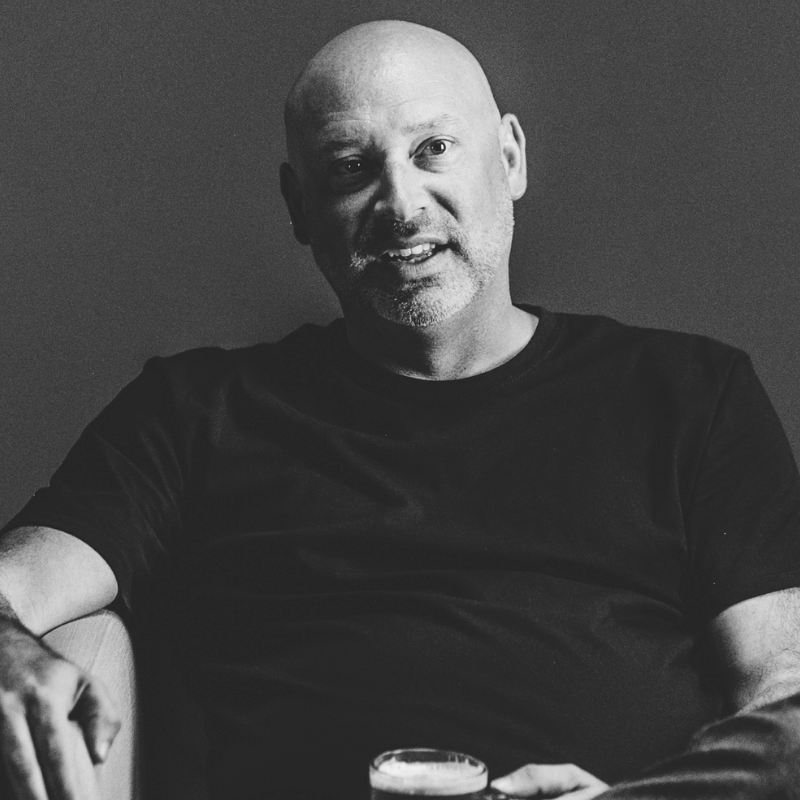
Travis Estes is the founder of Busy Bean Coffee. With over a decade of experience outfitting hotels, restaurants, and offices with specialty coffee solutions, Travis has helped dozens of hospitality brands improve guest satisfaction while lowering equipment costs. He lives in Charleston, South Carolina.
Free Coffee Pairing Guide & Specialty Roast Cheat Sheet
Unlock the secrets of perfect brewing ratios, water temperatures, and specialty roast profiles. Download the guide.