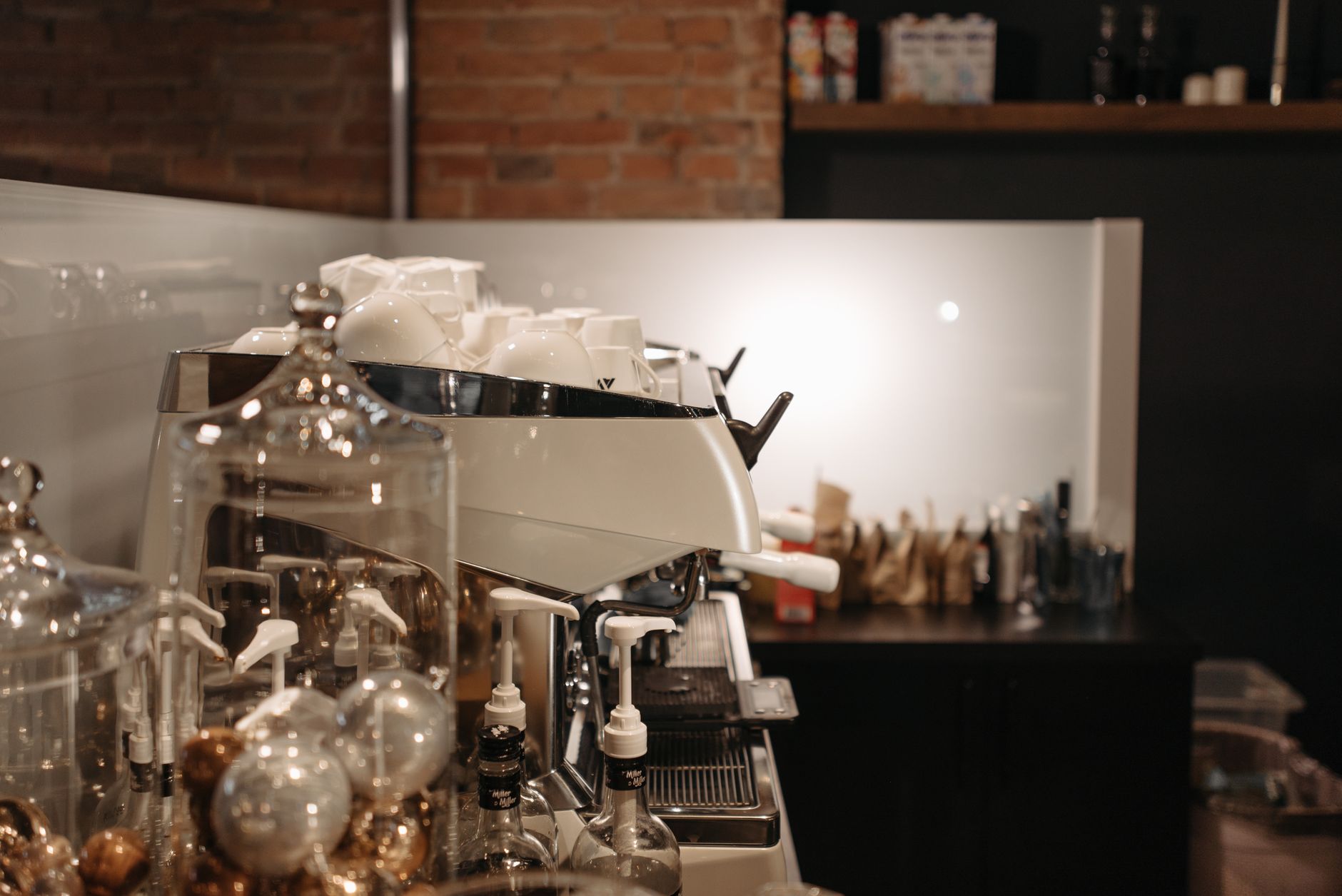
: A managed coffee service for bakeries and convenience stores (c-stores) is a fully outsourced solution where a provider supplies commercial-grade espresso equipment, premium specialty coffee, maintenance, and training—all for a single monthly fee. This model enables businesses to offer high-margin specialty coffee drinks without upfront equipment costs, technical expertise, or inventory management burdens, driving incremental revenue and customer loyalty.
| Feature | Traditional Self-Serve | Managed Coffee Service |
|---|
| Equipment cost | $5,000–$15,000 upfront | $0 upfront (included) |
| Maintenance | Manual/contractor | Full coverage included |
| Coffee supply | Self-procurement | Wholesale pricing included |
| Staff training | Owner/manager responsibility | Provider-led training |
| Upsell potential | Limited to drip/brewed | Specialty espresso, cappuccino, lattes |
| Monthly fee | None (but high variable costs) | Predictable single fee |
Bakeries and convenience stores are natural venues for coffee—yet many leave money on the table by relying on old drip brewers or branded kiosks. Switching to a managed specialty coffee program can boost average ticket sizes and turn your pastry counter into a destination for espresso-based drinks. In this guide, we’ll explore why “managed coffee bakeries” are becoming a must-have strategy for foodservice operators.
For a broader look at how outsourcing coffee service works across different verticals, see our
Ultimate Guide to Managed Cafe Services.
What Is Managed Coffee for Bakeries?
📚Definition
A managed coffee service for bakeries and c-stores is a turnkey arrangement where a third-party provider supplies professional espresso equipment, specialty coffee beans, consumables, installation, and ongoing support—all for one predictable monthly fee. No capital equipment purchases, no supply chain headaches, and no maintenance worries.
Bakeries have always been about fresh-baked goods, but today’s customers expect more than just a pastry. They want a high-quality coffee experience to go with it. Managed coffee bridges that gap without the typical barriers to entry. According to the National Coffee Association (2025), 63% of specialty coffee consumers say they are more likely to visit a bakery that offers espresso-based drinks. Yet many independent bakeries lack the upfront capital or operational know-how to launch a full coffee program.
A managed coffee provider like
Busy Bean Coffee handles everything: equipment selection, white-glove installation, preventative maintenance, and even barista training for your team. You just focus on baking. “In my experience working with bakeries across the Midwest, the ones that added a managed espresso program saw their average ticket jump by 40% within three months,” says Travis Estes, founder of Busy Bean Coffee.
Why Managed Coffee Makes Sense for Bakeries and C-Stores
💡Key Takeaway
Adding specialty coffee through a managed service turns your bakery into a beverage destination, increasing dwell time and per-customer spend without the risks of owning equipment.
Traditional coffee equipment costs $5,000–$20,000 for a commercial espresso machine, grinder, and accessories. With managed coffee, that cost is zero. The provider finances the equipment as part of your monthly fee. You start generating revenue from day one without tying up cash. A study by IBISWorld (2024) found that small foodservice businesses that lease equipment instead of buying improve cash flow ROI by 28% in the first year.
2. Higher Profit Margins on Beverages
Specialty coffee drinks carry gross margins of 75–85% when properly executed. A $5 latte has roughly $0.75 in cost of goods (coffee, milk, cup, lid). For bakeries already paying for labor and rent, that margin is pure profit. Managed coffee providers offer wholesale bean pricing further protecting those margins.
3. Upsell Opportunities
When a customer comes for a croissant, adding a latte increases the sale by $4–6. That’s a 150%+ upsell. Many bakeries using managed coffee report that 30–40% of pastry-only customers add a specialty drink after seeing the espresso machine. The convenience store industry has similarly seen success: according to a 2025 ConveOnline report, c-stores that added a managed coffee bar saw a 22% increase in store traffic.
4. Consistent Quality Without Training Burden
Managed coffee providers train your staff and provide ongoing support. You don’t need a full-time barista. The equipment is fully automatic or super-automatic, ensuring consistent shot quality. This is a game-changer for bakeries where counter staff may rotate frequently.
How Managed Coffee Works for Bakeries
Implementing managed coffee is straightforward:
- Assessment: The provider evaluates your space, volume, and menu goals.
- Equipment Selection: Choose from super-automatic espresso machines that grind, tamp, and brew with one button.
- Installation: White-glove set up includes plumbing, electrical, and counter integration.
- Training: The provider trains your team on machine operation, cleaning, and basic maintenance.
- Supplies: Coffee, milk, syrups, and cups are delivered on a schedule, included in the fee.
- Support: 24/7 remote diagnostics and on-site repair if needed; all covered.
The all-inclusive nature means no surprise invoices. As one bakery owner told us, “We went from worrying about broken brewers to simply serving great coffee.”
Managed Coffee vs Traditional Self-Serve
| Aspect | Traditional Self-Serve | Managed Coffee Service |
|---|
| Equipment ownership | Business buys and owns assets | Provider owns; no capital outlay |
| Maintenance | Additional cost and downtime | Included; proactive service |
| Coffee sourcing | Must research and order beans | Wholesale beans supplied automatically |
| Staff expertise | Requires hiring a barista | Simple training provided |
| Menu flexibility | Limited to drip coffee | Full espresso menu available |
| Monthly cost | Variable (equipment + labor + supply) | Fixed and predictable |
💡Key Takeaway
The managed model eliminates the two biggest barriers for bakeries: upfront capital and operational complexity. You get a premium coffee program without the headaches.
Best Practices for Implementing Managed Coffee in Bakeries
To maximize the impact of your managed coffee program, follow these best practices:
- Prime Placement: Put the espresso machine where customers can see it—preferably near the register or front window. Visual appeal drives impulse purchases.
- Train Every Shift: Ensure each team member knows basic machine operation and cleaning. Cross-train multiple staff to avoid gaps.
- Merchandise Pairings: Display signs like “Try a latte with your croissant—only $4” at the pastry case.
- Leverage Seasonal Drinks: Work with your provider to offer seasonal syrups (pumpkin, peppermint) to keep the menu fresh.
- Monitor Usage Data: Most modern machines connect to a cloud dashboard. Use that data to optimize hours, identify slow periods, and adjust staffing.
For more on equipment selection, see our guide on
Office Managed Coffee Service (the principles apply to bakeries too). Also check out Managed Coffee for Convenience Stores and Managed Coffee for Bakeries vs Donut Shops.
Frequently Asked Questions
Pricing varies based on volume and equipment chosen, but most plans range from $200 to $600 per month. This includes machine, maintenance, coffee, milk, and consumables. For a bakery selling 40 specialty drinks per day at a $4 average, the service pays for itself with just 5–7 sales. There are no hidden costs for repair or replacement.
Can I use my own coffee beans with a managed service?
Most managed providers require you to use their coffee to ensure quality and consistency across all locations. However, many providers offer multiple roast profiles (light, medium, dark) and single-origin options. Some even allow custom blends for an additional fee. The trade-off is that you benefit from wholesale pricing and supply reliability.
What if my bakery doesn’t have a sink near the counter?
Managed coffee providers handle installation and can tap into existing plumbing or install a compact water filtration system. Many modern espresso machines have built-in reservoirs if plumbing isn’t possible temporarily. The provider will do a site survey to recommend the best setup without costly renovations.
How long does it take to train staff on the equipment?
Most super-automatic machines can be learned in under 30 minutes. Busy Bean Coffee provides a hands-on training session at installation, plus video tutorials and a quick-reference guide. For busy bakeries with high turnover, the provider can schedule refresher trainings quarterly at no extra charge.
Do managed coffee services include latte art training?
While standard training focuses on operation and cleaning, some providers offer optional latte art workshops for an additional fee. This is great for bakeries that want to promote Instagram-worthy drinks on social media. Basic steaming and pouring techniques are often covered in the initial session.
Recommended Readings
To deepen your understanding of these topics, we recommend reading the following articles:
Conclusion
Managed coffee for bakeries and convenience stores is a no-brainer for operators looking to boost revenue without upfront investment. By outsourcing equipment, supplies, and maintenance to a specialist provider like Busy Bean Coffee, you can offer premium specialty coffee drinks that customers crave, improve your profit margins, and free up your team to focus on what they do best—baking and serving.
For a complete look at how
managed cafe services can transform your business, read our
Ultimate Guide to Managed Cafe Services. And if you’re ready to start serving better coffee,
see how Busy Bean Coffee can set up your bakery with a turnkey espresso program today.
Free Coffee Pairing Guide & Specialty Roast Cheat Sheet
Unlock the secrets of perfect brewing ratios, water temperatures, and specialty roast profiles. Download the guide.