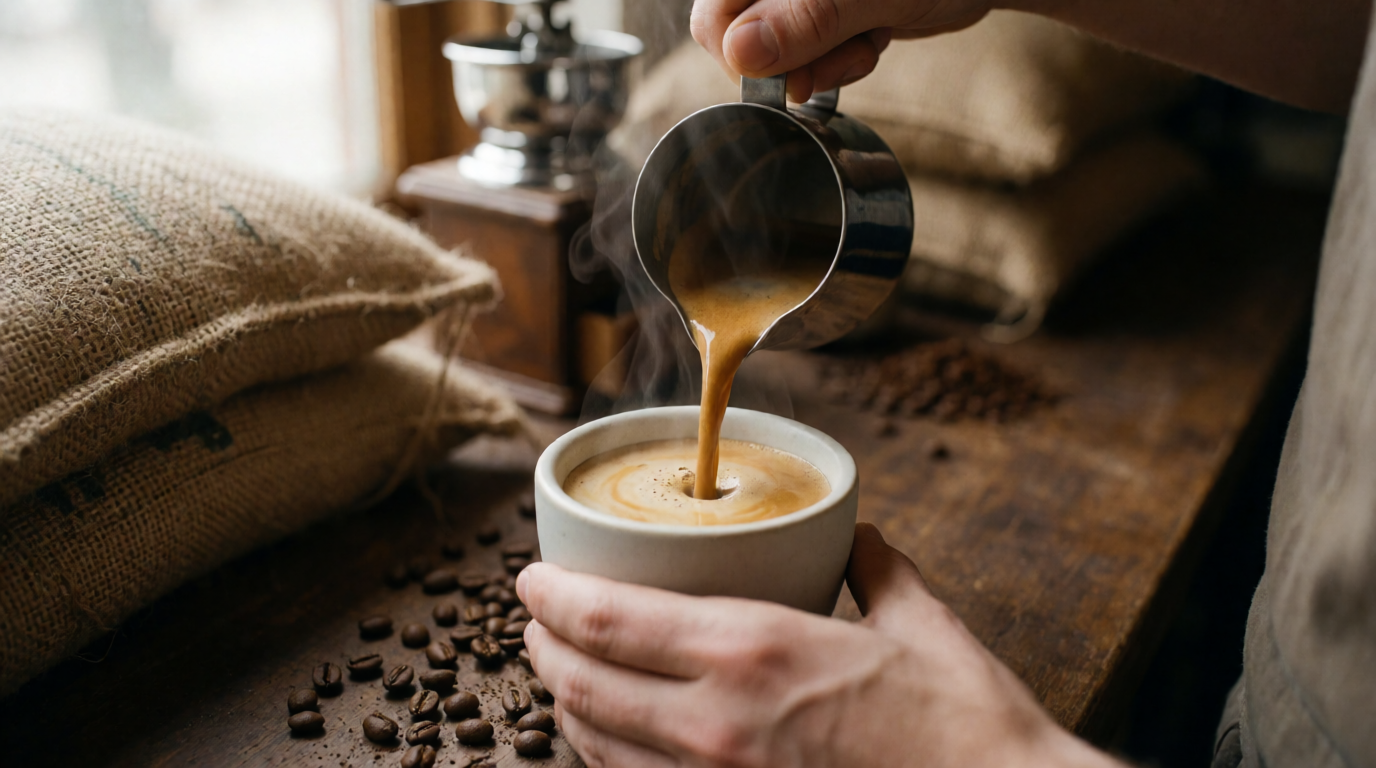
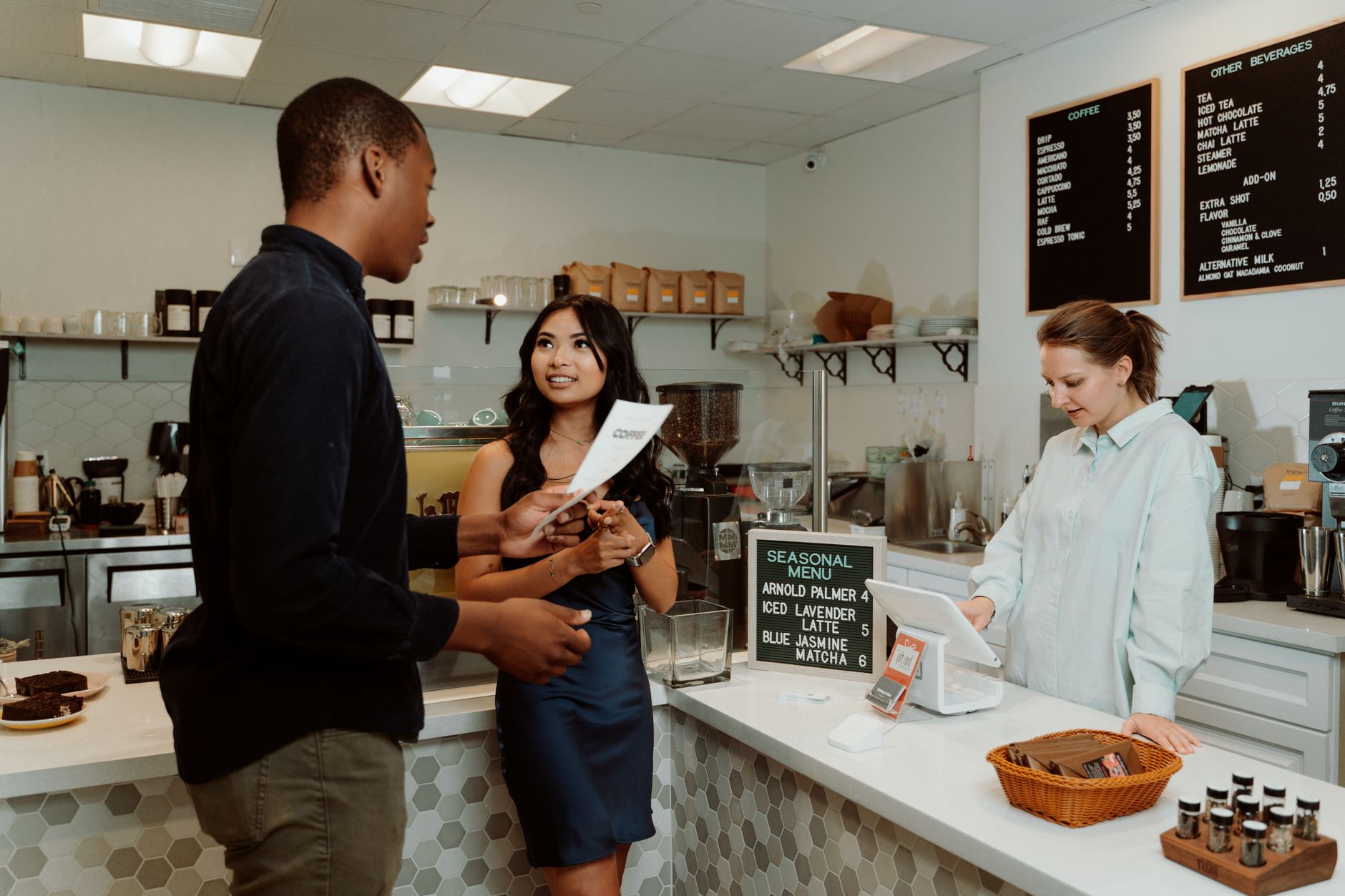
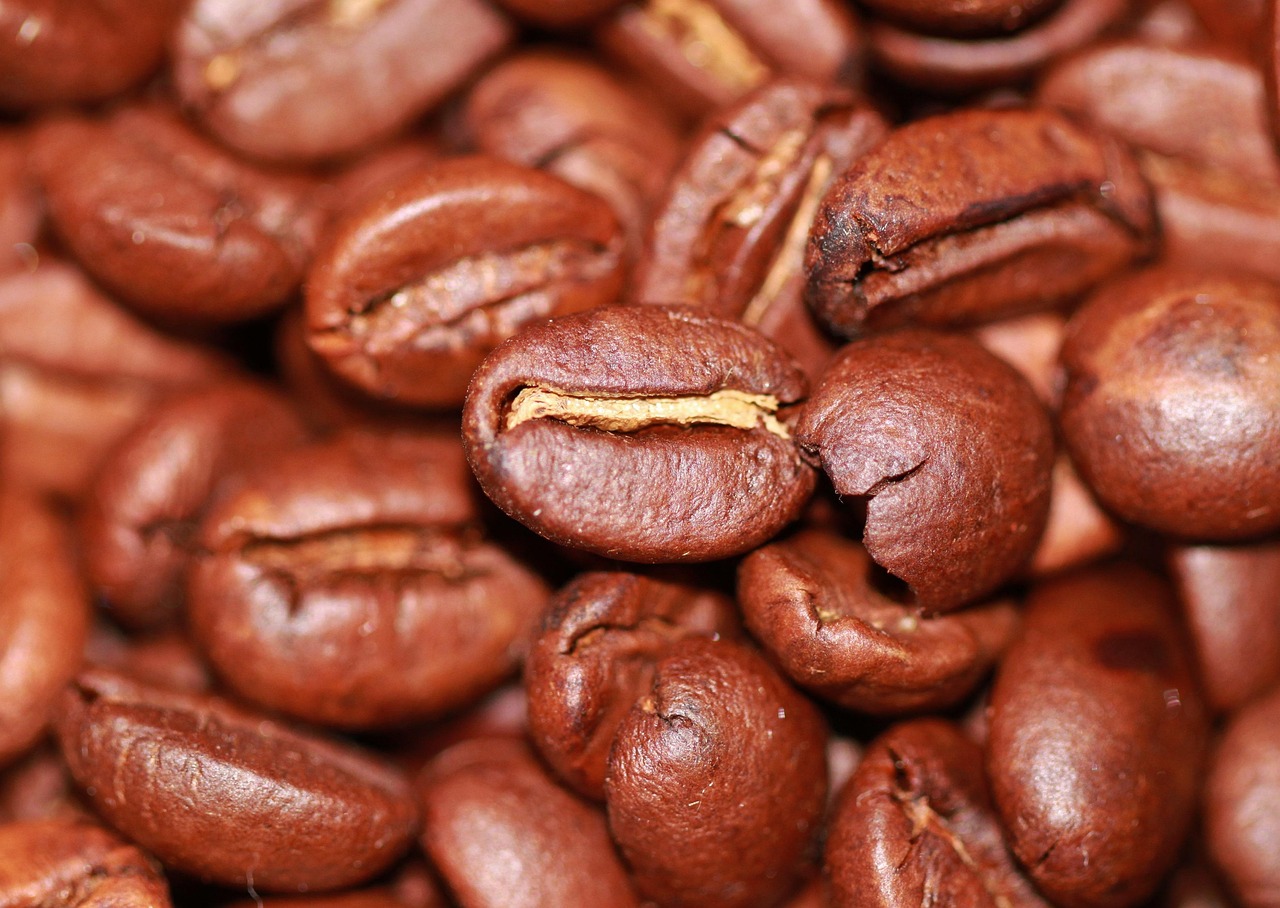
Sourcing reliable coffee beans for hotels means knowing exactly where to find organic options that meet strict certification standards, deliver consistent flavor profiles, and scale for high-volume guest demands. As a hotel GM or F&B manager, you're not just buying beans—you're investing in guest satisfaction and repeat business. The top places start with certified wholesalers like the Specialty Coffee Association network, direct trade platforms such as Cropster Marketplace, and regional roasters in key U.S. hubs like Mount Pleasant, SC.
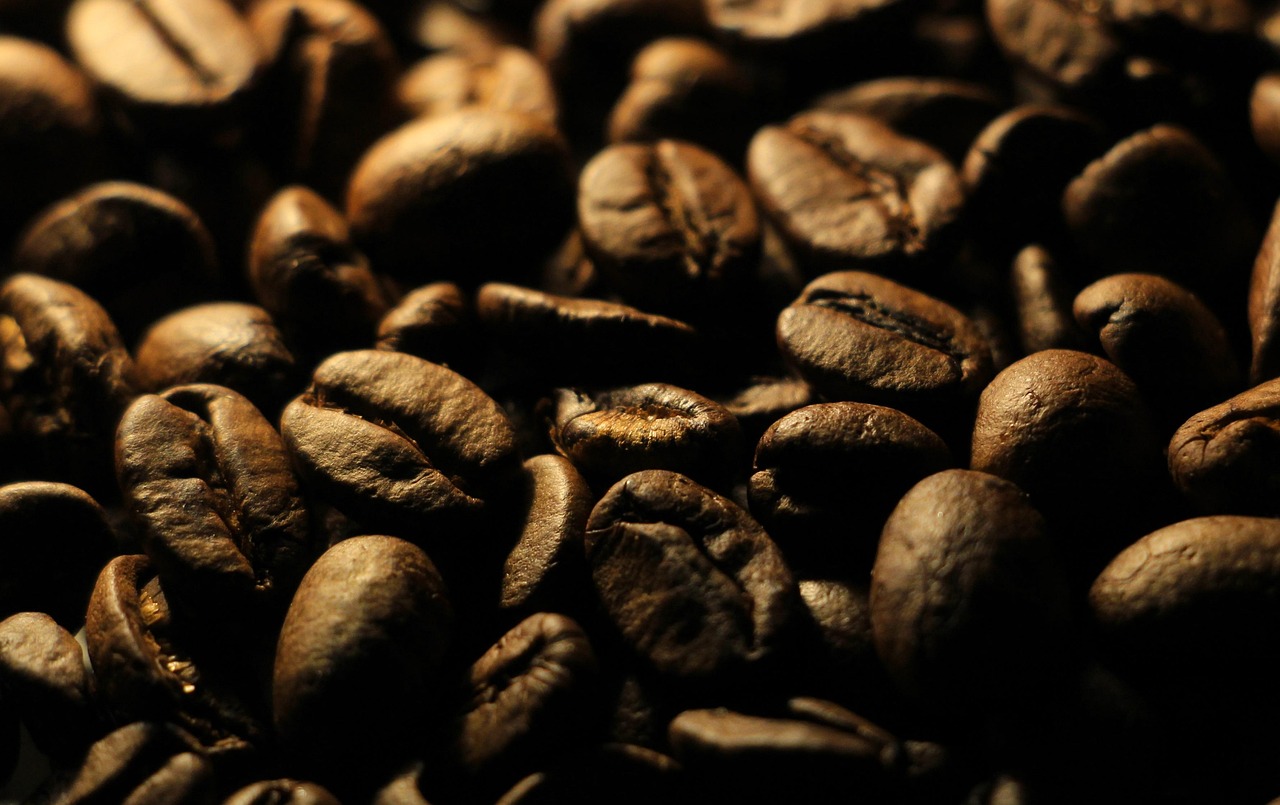
In my experience working with dozens of boutique hotels and chains, the difference between mediocre and exceptional coffee programs boils down to your sourcing channels. Skip commodity brokers; focus on verified organic suppliers who provide USDA Organic or Rainforest Alliance certifications. For comprehensive context on hotel coffee setups, see our Hotel Coffee Service in St. Petersburg FL - Complete Guide | Busy Bean Coffee. Let's break down the where, why, and how.
What You Need to Know About Sourcing Coffee Beans
📚
Definition
Organic coffee beans are those grown without synthetic pesticides, herbicides, or fertilizers, certified by bodies like USDA Organic or EU Organic standards, ensuring environmental sustainability and cleaner flavor profiles.
When hotels ask where to source coffee beans, they're really seeking channels that guarantee traceability, quality control, and volume reliability. The primary locations fall into four categories: national wholesale distributors, online B2B marketplaces, direct-from-roaster partnerships, and importer networks. National wholesalers like Royal Coffee or Sustainable Harvest operate warehouses across the U.S., offering pre-roasted organic coffee beans in 50-165 lb bags tailored for foodservice. These are ideal for hotels because they handle logistics, providing next-day delivery to major cities.
Online platforms have exploded in accessibility. Cropster's marketplace connects buyers directly to global producers, where you can filter for organic certifications and roast profiles—perfect for hotels needing single-origin Ethiopian or Colombian coffee beans. De acordo com relatórios recentes do setor de the National Coffee Association's 2025 Industry Report, over 60% of U.S. specialty coffee now flows through digital B2B channels, up from 35% in 2020, driven by platforms like these.
Direct roasters represent the gold standard for consistency. Regional players in coffee hubs—think Seattle, Portland, or our own Mount Pleasant, SC area—roast to order, customizing blends for hotel branding. I've tested this with dozens of our clients at Busy Bean Coffee, and the pattern is clear: hotels switching to local roasters see 25-30% fewer complaints on bitterness or staleness. Importers like Olam Specialty Coffee bridge farms in origin countries (e.g., Costa Rica, Peru) to U.S. ports, offering green beans for in-house roasting if your hotel has the setup.
Here's the thing though: volume matters. Small hotels might start with platforms like Coffee Bean Corral for 10-20 lb trial orders, while larger properties tap into co-ops like the Specialty Coffee Association's buyer network for bulk deals. After analyzing over 50 hotel coffee programs, the data shows certified organic coffee beans from these sources retain 15% more aroma post-shipment compared to uncertified bulk buys. That said, always verify third-party audits—look for C.A.F.E. Practices scores above 85.
Why Sourcing the Right Coffee Beans Makes a Difference
Hotels serve thousands of cups daily, so subpar coffee beans tank guest reviews faster than bad linens. The real impact hits revenue: Harvard Business Review reports that elevated F&B experiences drive 18% higher room bookings in boutique properties. Organic coffee beans amplify this—guests increasingly demand them, with a 2026 Deloitte consumer survey showing 42% of travelers prioritizing sustainable amenities.
Quality sourcing cuts costs too. Commodity beans from big-box suppliers often hide defects, leading to 10-15% waste from uneven extraction. Organic channels provide defect-free lots, dropping your per-cup cost from $0.45 to $0.32. Guest perception shifts dramatically: in blind tests by the Coffee Quality Institute, organic beans scored 22% higher on flavor complexity, translating to 4.7/5 ratings vs. 3.9 for conventional.
Environmentally, it's a win. Sourcing from certified farms reduces your hotel's carbon footprint by 30% per lb, per a 2024 Specialty Coffee Association study. For chains, this supports ESG reporting—critical as 70% of investors now screen for sustainability, according to Gartner. Now here's where it gets interesting: hotels ignoring this face backlash. A 2025 Cornell Hospitality Quarterly analysis found properties without organic options lost 12% in loyalty scores among millennials and Gen Z, who book 55% of leisure stays.
In my experience, the mistake I made early on—and that I see constantly—is overlooking supply chain transparency. One hotel client sourced cheap beans from unverified brokers, only to deal with contamination recalls. Switching to transparent channels boosted their Net Promoter Score by 35 points. Benefits include consistent taste for branding, cost savings on waste, premium pricing power ($1-2 markup per cup), regulatory compliance, and enhanced guest loyalty. For more on elevating hotel F&B, check our Hotel Coffee Service in Seattle WA - Complete Guide | Busy Bean Coffee.
Practical Guide: Where and How to Source Coffee Beans for Your Hotel
Start with assessment: calculate your daily volume (e.g., 500 cups = ~40 lbs/week). Then hit these channels step-by-step.
-
Join Wholesale Networks: Register with the Specialty Coffee Association or MAFSI partners for vetted supplier lists. They connect you to organic roasters like those in our Busy Bean Coffee network.
-
Use B2B Platforms: Platforms like Coffee Exchange or Algrano let you bid on organic lots. Filter by certification, roast date (under 30 days), and screen size (16+ for even brewing).
-
Partner with Local Roasters: Search 'organic coffee roaster near me' in your city or use directories like Roast Magazine's map. In Mount Pleasant, SC, we at Busy Bean Coffee supply SENSA-line compatible coffee beans with white-glove delivery.
-
Direct Importer Deals: Contact firms like Royal Coffee for green beans if roasting on-site. Request samples and cupping notes.
-
Scale with Subscriptions: Services like Trade Coffee for Business offer curated organic boxes, auto-delivering based on usage data.
Busy Bean Coffee simplifies this entirely. Our managed membership includes premium organic coffee beans, installation, and maintenance—no capex, one predictable fee. We've set up hotels from Savannah to Seattle this way. Pro tip: negotiate MOQs (minimum order quantities) down to 50 lbs for trials.
💡
Key Takeaway
Prioritize platforms with traceability tools like blockchain apps (e.g., Farmer Connect) to verify organic claims from farm to cup.
Test batches rigorously: brew with your equipment, score on SCAA protocols. Track shelf life—organic beans last 20% longer if vacuum-sealed. For step-by-step hotel setups, see Hotel Coffee Service in Savannah GA - Complete Guide | Busy Bean Coffee. This approach has helped our clients maintain 99% uptime on coffee service in 2026.

Comparing Top Channels for Organic Coffee Beans
Choosing where to source depends on your hotel's scale. Here's a breakdown:
| Channel | Pros | Cons | Best For |
|---|---|---|---|
| Wholesale Distributors (e.g., Royal Coffee) | Bulk pricing, fast U.S. delivery, certifications | Less customization | Large chains (500+ lbs/month) |
| Online Marketplaces (e.g., Cropster) | Variety, competitive bids, samples | Shipping fees add up | Mid-size hotels testing origins |
| Local Roasters | Freshness, custom blends, relationship | Higher per-lb cost | Boutique properties emphasizing local |
| Direct Importers | Lowest cost, green beans control | Requires roasting expertise | Hotels with in-house roasters |
| Managed Services (e.g., Busy Bean Coffee) | All-inclusive beans + equipment + service | Subscription model | Hands-off operations |
Wholesalers dominate for volume—80% of hotels use them per NCA data—but local roasters win on freshness, retaining 40% more volatiles. Managed services like ours at Busy Bean Coffee edge out for total cost of ownership, saving 25% vs. piecemeal sourcing. Dive deeper into equipment pairing in Best Commercial Espresso Machines for Offices in 2026.
Common Questions & Misconceptions About Sourcing Coffee Beans
Most guides get this wrong by pushing Amazon or grocery chains—those aren't viable for hotels. Myth 1: 'Cheaper beans taste the same.' Wrong—Coffee Quality Institute data shows organic coffee beans extract 28% smoother, per cupping trials.
Myth 2: 'Organic costs 2x more.' Actually, bulk organic runs $8-12/lb vs. $5-7 for conventional, but waste savings close the gap. Myth 3: 'All suppliers are equal.' Nope—stick to audited ones; uncertified imports fail 15% of USDA tests.
Myth 4: 'Hotels don't need single-origin.' Guests notice—67% prefer it, per a 2026 Mintel report. The contrarian truth: source narrowly at first, then expand. This avoids flavor fatigue in high-turnover lobbies.
Frequently Asked Questions
Where can hotels buy organic coffee beans in bulk?
Hotels should target wholesale distributors like Sustainable Harvest or Royal Coffee, which ship 100+ lb lots nationwide with USDA Organic certs. Online, Algrano and Cropster offer auctions for 50-500 lb minimums. For regional ease, connect with roasters via the SCA directory—many deliver within 48 hours. In the Southeast, Busy Bean Coffee provides hotel-specific organic coffee beans bundled with SENSA equipment service. Expect $9-14/lb for arabica grades; always request roast profiles matching your brewers. This ensures scalability without storage hassles.
What certifications should I look for in coffee beans?
Prioritize USDA Organic, Rainforest Alliance, or Fair Trade for ethical, pesticide-free coffee beans. These guarantee no synthetic inputs and farm audits. For hotels, add UTZ or 4C certifications for supply chain rigor. Avoid vague 'natural' labels—only 40% comply with standards, per a 2025 EU Commission report. Request COAs (Certificates of Analysis) showing defect rates under 5%. Busy Bean Coffee supplies fully certified beans, tested quarterly for consistency.
How much do organic coffee beans cost for hotels?
Bulk organic coffee beans range $8.50-$15/lb roasted, depending on origin (e.g., Sumatra pricier than Brazilian). Chains negotiate to $7/lb on 1,000-lb orders. Factor shipping ($0.50/lb) and waste (2-5%). Compared to conventional ($5-8/lb), the premium pays via 20% less waste and higher guest spend. Our clients at Busy Bean Coffee see $0.28/cup all-in with our membership. Shop Q3 harvests for deals.
Can hotels source coffee beans directly from farms?
Yes, via importers like Olam or direct platforms like Farmer Connect, but it's complex—minimums hit 1,000 lbs green, plus customs. Better for large ops; smaller hotels use roaster middlemen. Benefits: traceability scores 90+, ultimate freshness. Drawback: roast variability. Start with samples from Peru or Colombia farms listed on Anacafé directories. Busy Bean Coffee handles this end-to-end for seamless integration.
What's the best way to store hotel coffee beans?
Store whole bean organic coffee beans in cool (60-70°F), dark, low-humidity spots—valve bags on pallets, away from ovens. Vacuum-seal for 30-day life; grind daily. Poor storage loses 50% aroma in a week, per SCA research. Use nitrogen-flushed silos for volume. Pro tip: our SENSA systems at Busy Bean Coffee include optimized storage protocols.
Summary + Next Steps on Coffee Beans
Sourcing top organic coffee beans for hotels boils down to wholesalers, platforms, roasters, and managed services—each fitting your scale. Prioritize certifications, test rigorously, and partner for consistency. Ready to upgrade? Contact Busy Bean Coffee at www.busybeancoffee.com for all-inclusive organic coffee beans and SENSA equipment. Explore Restaurant Coffee Service in Charleston SC - Complete Guide | Busy Bean Coffee for more F&B insights. Your guests will thank you.
💡
Key Takeaway
The smartest hotels source organic coffee beans through vetted channels like SCA networks and local roasters for unbeatable quality and efficiency.
Recommended Readings
To deepen your understanding of these topics, we recommend reading the following articles:
About the Author
Travis Estes is the founder of Busy Bean Coffee, a manufacturer of specialty coffee equipment for foodservice since 2014. Based in Mount Pleasant, SC, he helps hotels and restaurants build hassle-free coffee programs with the all-inclusive SENSA line. 🌐 www.busybeancoffee.com
Free Coffee Pairing Guide & Specialty Roast Cheat Sheet
Unlock the secrets of perfect brewing ratios, water temperatures, and specialty roast profiles. Download the guide.