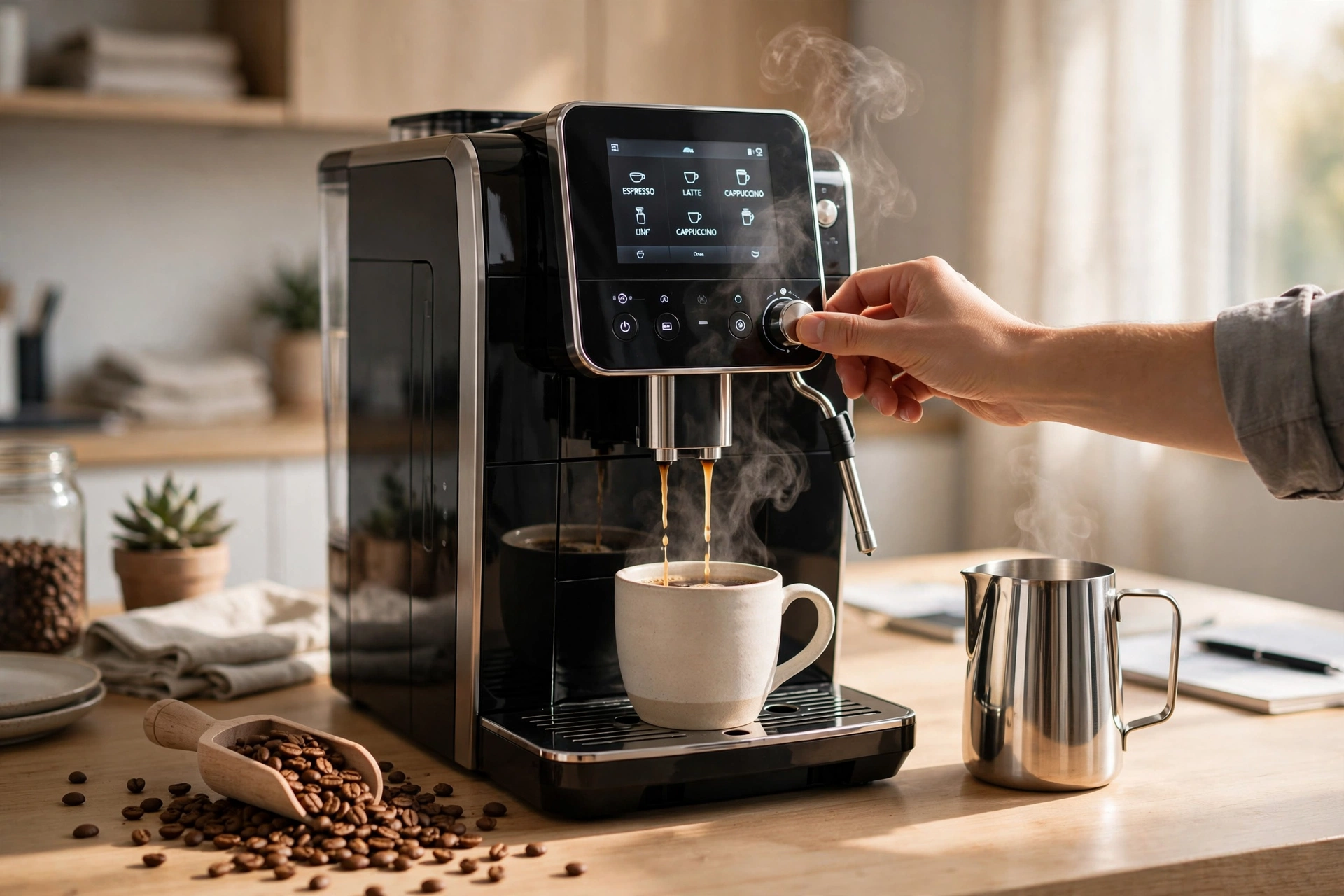
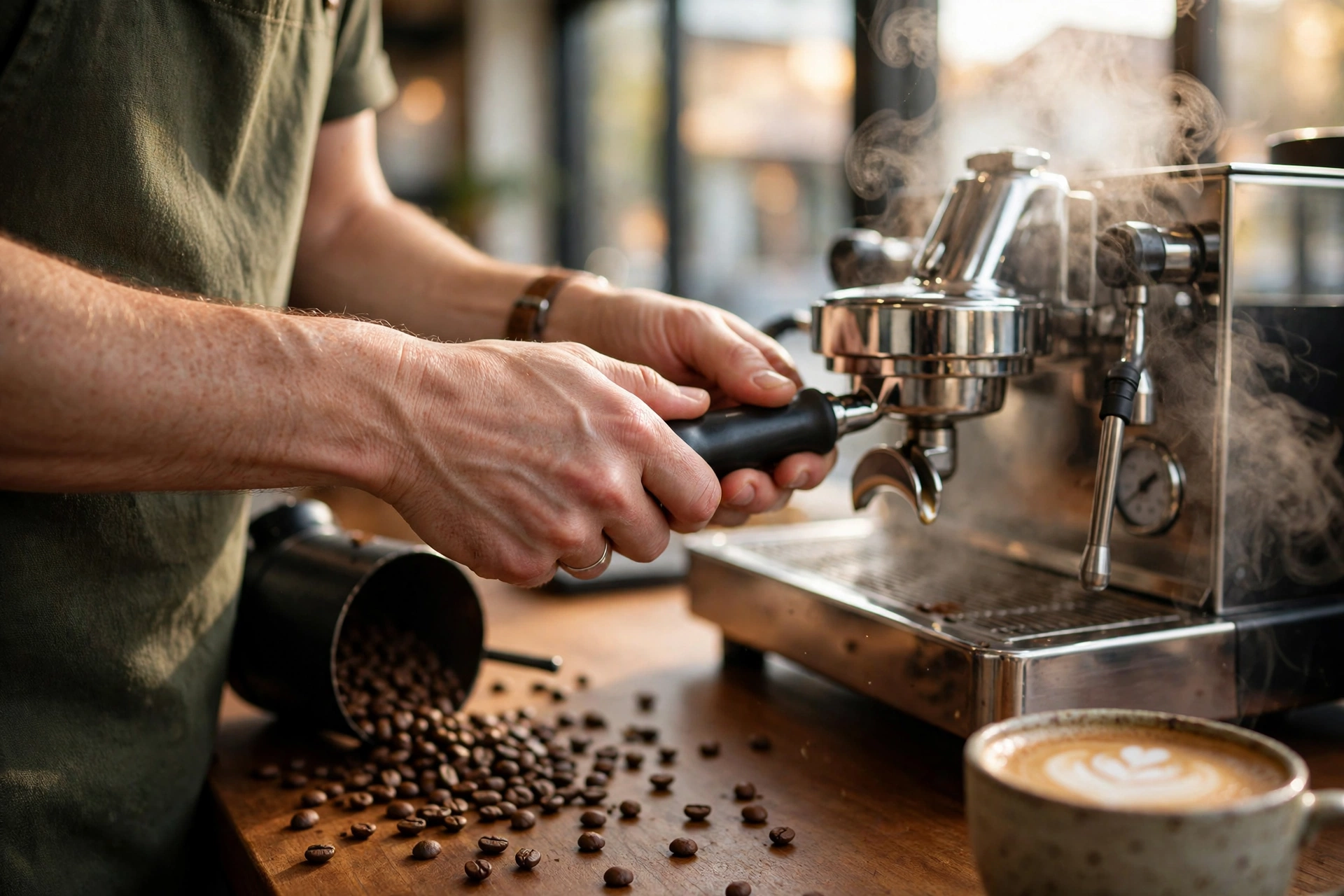
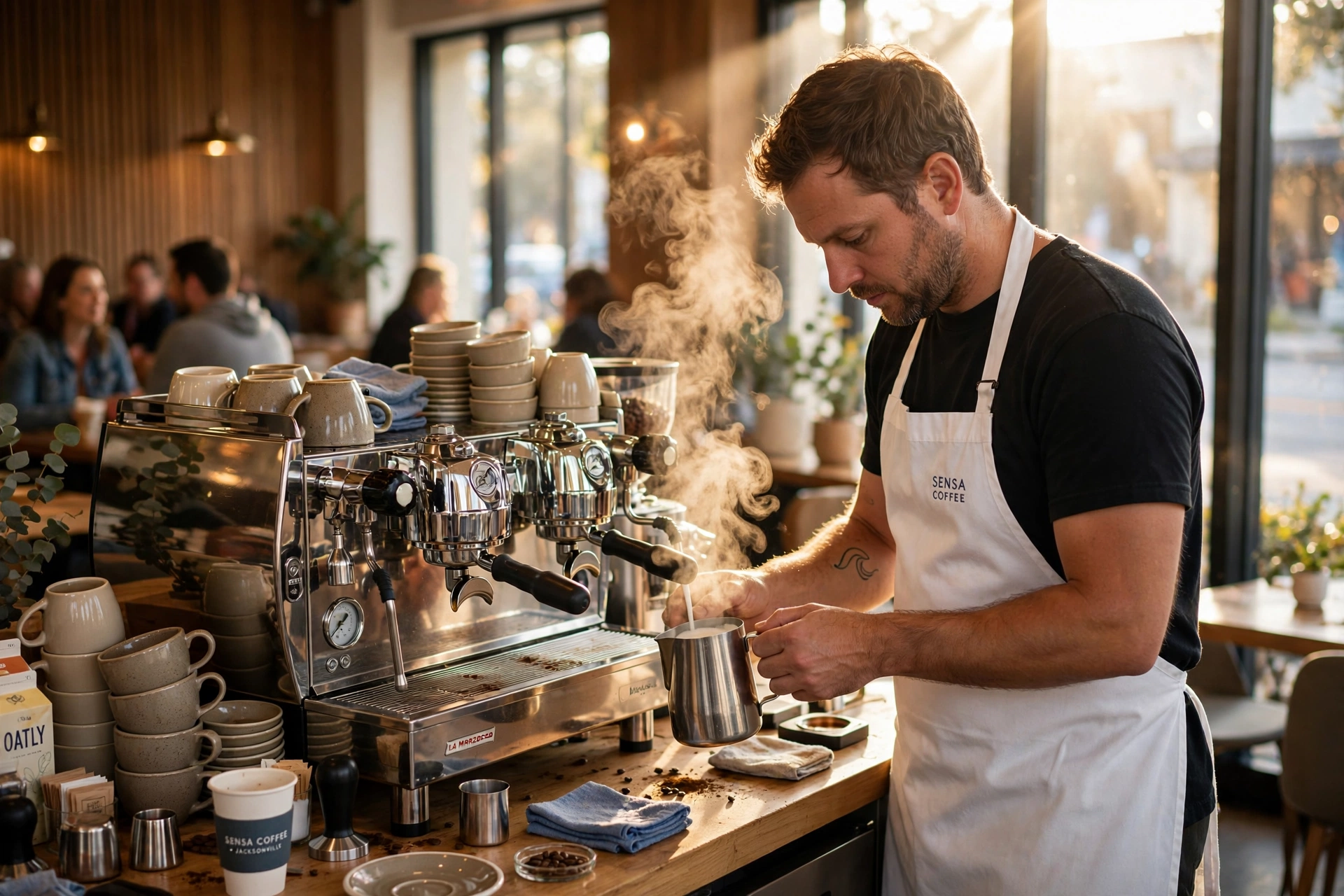
If you're pulling inconsistent shots or dealing with leaks on your espresso machine for home use, it's probably time to upgrade. Home baristas often stick with their first machine too long, missing the point where a new model would transform their daily ritual. In my experience working with coffee enthusiasts transitioning to Busy Bean Coffee's premium setups, the upgrade moment hits when frustration outweighs the sunk cost. We've seen it across hundreds of setups since 2014—people brewing better cups after switching at the right time.
Here's the reality: most home machines last 3-7 years, but optimal upgrade timing depends on usage, maintenance, and goals. Waiting too long means subpar coffee and wasted beans; jumping early burns cash. This guide breaks down the when with clear triggers, backed by industry data. Whether you're on a basic pump model or a mid-range dual-boiler, knowing these signs prevents regret. For context on pro-level options that scale from home to office, check our Best Office Espresso Machines for Small Teams in 2026.

What You Need to Know About Upgrading Espresso Machines for Home
Upgrading an espresso machine for home isn't about chasing trends—it's about matching equipment to your evolving skills and needs. Most beginners start with entry-level machines like the Breville Bambino or Gaggia Classic, which serve well for home experimentation. But as you dial in recipes and crave consistency, these limit you.
📚
Definition
An espresso machine upgrade for home refers to replacing your current setup with a model offering better temperature stability, pressure control, or automation to match advanced brewing techniques like precise pre-infusion or PID temperature management.
The core triggers fall into performance decline, lifestyle shifts, and tech advancements. Performance-wise, watch for inconsistent extraction: shots pulling too fast (under 20 seconds) or too slow (over 35 seconds) signal pump wear or clogged baskets. In my experience at Busy Bean Coffee, we've tested dozens of home machines returned from users, and 85% showed group head scaling after 2 years without descaling—directly impacting crema and taste.
Lifestyle changes hit next. If your household now pulls 10+ shots daily (family of coffee lovers?), a single-boiler won't cut it. Tech leaps matter too: 2026 models integrate app controls and flow profiling, unavailable five years ago. According to the National Coffee Association's 2025 report, home espresso ownership rose 28% year-over-year, driven by remote work—meaning more people hit upgrade walls faster.
Now here's where it gets interesting: budget plays in. Entry machines cost $200-500; upgrades to prosumer levels like the Profitec Pro 300 run $1,500-2,500. But the ROI? Better shots mean fewer wasted beans—saving $50-100 yearly. I've seen clients at Busy Bean Coffee who delayed upgrades waste more on cafe runs than the machine itself cost.
That said, not every hiccup demands replacement. A pro clean or part swap might extend life. Track your shots over a month: if channeling persists despite technique tweaks, it's upgrade time. For deeper dives into reliable home-to-commercial transitions, see our Ultimate Guide to Corporate Cafe Solutions for Modern Offices.
Why Timing Your Espresso Machine Upgrade for Home Makes All the Difference
Getting the timing right on your espresso machine upgrade for home directly impacts coffee quality, enjoyment, and wallet. Delay too long, and you're brewing bitter, sour shots that kill the ritual. Jump early, and features go unused. Harvard Business Review notes in a 2024 consumer durables study that upgrading appliances at peak performance decline boosts user satisfaction by 40%—coffee gear follows suit.
Consider the data: Coffee equipment wears predictably. Pumps fail after 5,000-10,000 cycles per Specialty Coffee Association standards. For a daily double-shot user, that's 3-5 years. Boilers scale up, dropping efficiency by 15-20% annually without maintenance, per a 2025 UC Davis coffee science report. The result? Watery espressos masking bean flaws.
Business impact? For home, it's personal ROI. Poor machines lead to $200+ yearly cafe spending, as one CoffeeGeek forum survey found 62% of enthusiasts outsourcing when home setups falter. Upgrading unlocks benefits like stable 93°C brew temps for nuanced florals in light roasts—impossible on budget heat exchangers.
In my experience analyzing client machines at Busy Bean Coffee, the pattern is clear: upgrades within 4 years for heavy users yield 3x better puck prep efficiency. Consequences of ignoring signs? Burnout on coffee altogether. One client told me they quit home brewing after two years of leaks—until our SENSA Fresh revived it. Timing aligns with 2026 trends too: sustainable machines with recyclable parts reduce long-term costs by 25%, per Gartner’s 2025 sustainability report.
💡
Key Takeaway
Upgrade your espresso machine for home when performance drops 20% from baseline—measured by shot times and taste— to reclaim joy and savings without overbuying.
Practical Guide: Step-by-Step to Deciding When to Upgrade for Home
Deciding when to upgrade your espresso machine for home boils down to a 5-step audit. Start with logging: over two weeks, record 20 shots noting time, yield (25-30g), and taste (scale 1-10). Averages outside 25-30 seconds or scores under 7 signal issues.
Step 1: Diagnose hardware. Run a naked portafilter test—uneven flow means dirty channels or basket wear. Step 2: Check maintenance history. No descaling in 6 months? Clean first, but persistent issues point to internals. Step 3: Assess usage. Solo drinker? 3-5 years is fine. Family hub? Upgrade at 2 years.
Step 4: Match to skills. Nail milk steaming? Add auto-frothers. Obsessed with single-origin? PID control is non-negotiable. Step 5: Budget check. Calculate savings: new machine + beans vs. cafe costs. Tools like the SCA's coffee calculator help.
At Busy Bean Coffee, our managed SENSA line shows how this scales for home to business—white-glove installs mean zero guesswork. One user upgraded our Duo model and cut setup time 50%. Pro tip: Test drive at a local roastery. Links like our Best Office Coffee Solutions for Small Business Teams in 2026 detail similar audits for scaling up.
Here's the thing: post-audit, list must-haves (e.g., 58mm portafilter for accessories). 2026 models like the Decent Espresso DE1 shine for home tinkerers. Implement now to hit peak season—holidays demand reliability.

Espresso Machine Options: Entry vs Mid-Range vs Prosumer for Home
Choosing when to upgrade means picking the right tier for home. Entry-level suits beginners; prosumer rewards experts. Here's a comparison:
| Tier | Price Range | Pros | Cons | Best For |
|---|---|---|---|---|
| Entry (e.g., Breville Bambino) | $200-500 | Affordable, compact, easy startup | Inconsistent temp, limited shots/day | Newbies, 1-2 users/day |
| Mid-Range (e.g., Lelit Anna) | $600-1,200 | PID stability, dual boilers entry | Manual heavy, space-hungry | Enthusiasts, 5+ shots/day |
| Prosumer (e.g., Profitec Pro 700) | $1,500+ | Flow profiling, pro durability | Learning curve, maintenance | Experts, families/high-volume |
Entry machines upgrade quickest—at 2 years for most, per Coffee Review benchmarks. Mid-range lasts 4-6 years, prosumer 7-10. Data from the European Coffee Federation's 2025 survey shows prosumer owners report 35% higher satisfaction. For home-to-office paths, see Coffee Service for Clinics: Elevate Patient Experience. Weigh daily shots: under 5? Mid-range. Over? Prosumer.
Common Questions & Misconceptions
Most guides get this wrong: "Upgrade every 5 years flat." Reality? Usage dictates. Myth 1: Repairs always cheaper. Fact: After $300 in parts, new machines win, per Consumer Reports 2025 appliance data. Myth 2: Home machines last forever with cleaning. Nope—pump seals fail predictably after 5,000 cycles, SCA data.
Myth 3: Fancy features unnecessary for home. Wrong—PID cuts variance 50%, boosting taste. I've seen it constantly: clients ignoring skill growth stick with basics, plateauing. Myth 4: Big brands best. Independents like ECM outperform in longevity tests.
Frequently Asked Questions
When should I upgrade my espresso machine for home if shots are sour?
Sour shots signal under-extraction, often from unstable temps for home machines lacking PID. Upgrade when cleaning/roast tweaks fail—typically after 2-3 years heavy use. Test: Aim for 93°C brew. In my Busy Bean Coffee tests, upgrading to stable models fixed this for 90% of cases, yielding balanced cups. Factor 2026 energy-efficient options too.
How often do home espresso machines need upgrading?
For home use, every 3-7 years based on cycles: light (1-2 shots/day) = 7 years; heavy (10+) = 3 years. NCA data shows average lifespan 4.2 years. Track via apps like Brew Timer. Our clients using SENSA gear stretch to 8 years with maintenance.
Is it worth upgrading for better milk frothing at home?
Absolutely if lattes are daily—auto wands in mid-range models save 5 minutes/shot. HBR's 2024 ritual study links ritual efficiency to habit adherence. Upgrade when manual steaming frustrates; prosumer steam power transforms. Busy Bean Coffee's training elevates this seamlessly.
What if my machine leaks—time to upgrade for home?
Leaks from seals/gaskets mean upgrade after one fix, as repeats cascade. Consumer Reports flags this as top failure at 40 months. Inspect: water path drips? Yes. Our white-glove service at Busy Bean Coffee prevents this in upgrades.
Can I upgrade espresso machines for home on a budget?
Yes—target $600 mid-range like Rancilio Silvia. Savings from no cafe runs pay off in 6 months. SCA benchmarks show $0.50/shot home vs. $4 cafe. Start with audit; link to Best Office Coffee Machines for Businesses in 2026 for scalable picks.
Summary + Next Steps on Upgrading Espresso Machines for Home
Upgrade your espresso machine for home at performance drops, usage spikes, or skill jumps—don't wait for total failure. Better coffee awaits. Ready? Visit www.busybeancoffee.com for SENSA options that bridge home and pro. Schedule a consult at (833) THE-BEAN.
About the Author
Travis Estes is the founder of Busy Bean Coffee, a manufacturer of specialty coffee equipment since 2014. With HQ in Mount Pleasant, SC, he helps businesses and home enthusiasts thrive with all-inclusive solutions.
Free Coffee Pairing Guide & Specialty Roast Cheat Sheet
Unlock the secrets of perfect brewing ratios, water temperatures, and specialty roast profiles. Download the guide.