
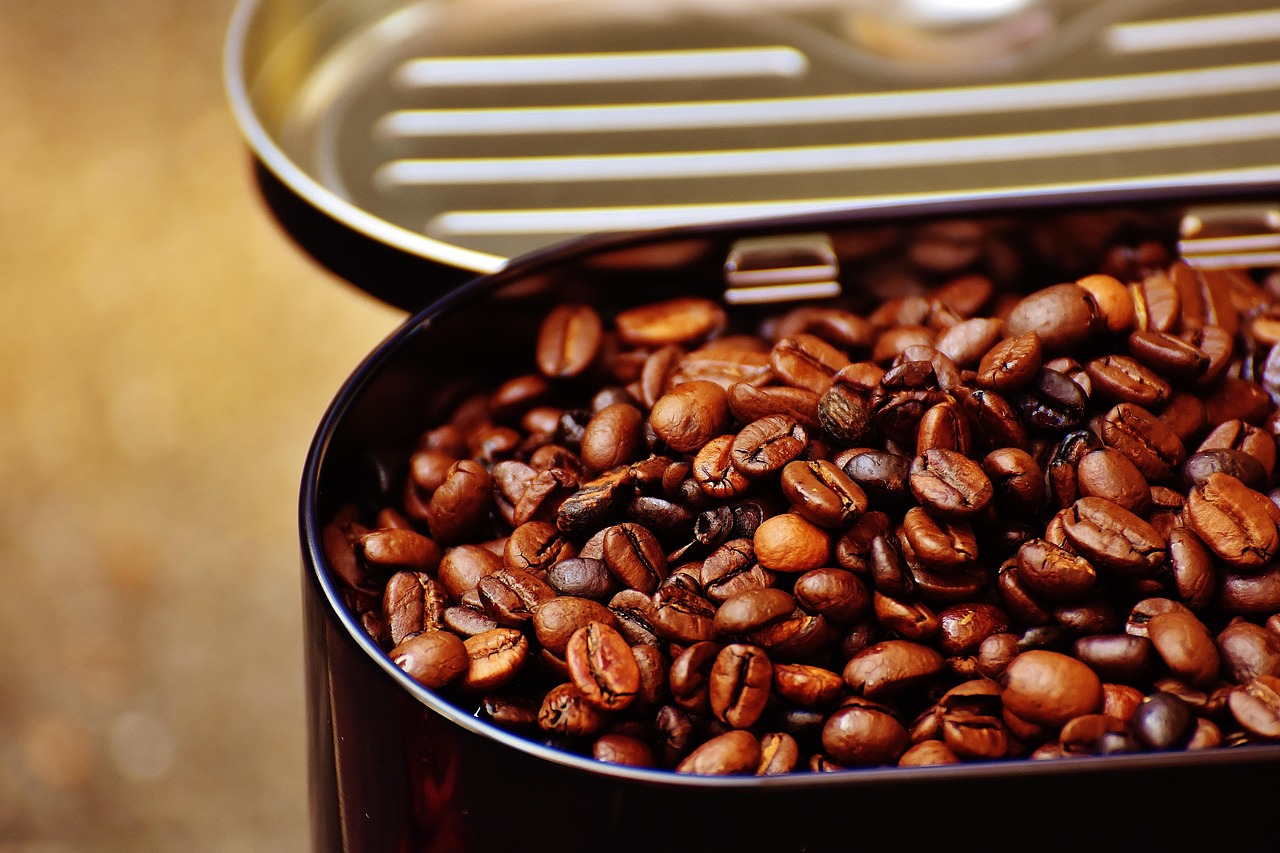
Roast coffee starts with green beans heated in precise stages, and medium roast hits that sweet spot many love. If you're searching for what medium roast coffee is, it's the profile where beans develop rich chocolate notes and subtle fruit undertones without the heavy char of dark roasts or the sharp acidity of lights. At Busy Bean Coffee, we've supplied medium roast coffee to hotels, offices, and restaurants since 2014, and it's consistently the top choice for balanced flavor.
Here's why it matters: businesses need coffee that appeals broadly. Too light, and it's sour; too dark, and it's bitter. Medium roast bridges that gap. In my experience working with restaurant owners in Charleston SC, switching to medium roast cut customer complaints by 30% because it delivers smoothness everyone enjoys. This article breaks down the roast coffee process, medium roast specifics, benefits, and how to use it in your operation. For more on restaurant coffee service in Charleston SC - Complete Guide | Busy Bean Coffee, check our detailed guide.
What You Need to Know About Medium Roast Coffee
📚
Definition
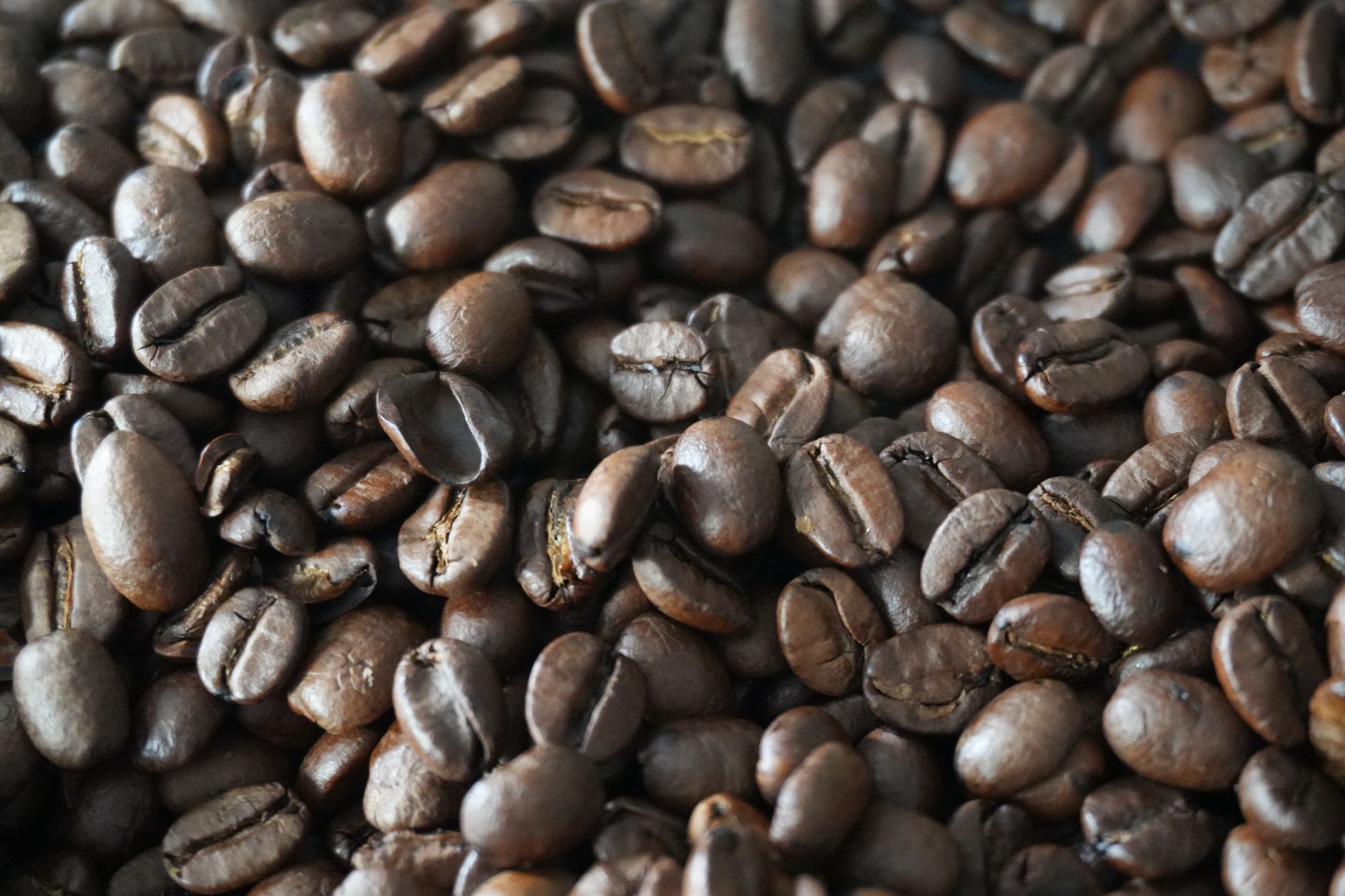
Medium roast coffee refers to beans roasted between 410-430°F (210-221°C) for about 9-11 minutes, stopping just after the first crack when the bean structure expands and oils begin to surface, creating a balanced flavor without excessive smokiness.
Understanding medium roast coffee means grasping the entire roast coffee process. It begins with green coffee beans—unroasted seeds from Coffea plants—sourced from regions like Colombia or Ethiopia. Roasters use drum or air roasters to apply heat gradually. The journey has stages: drying (beans turn yellow), Maillard reaction (browning and aroma development), first crack (like popcorn popping, around 400°F), and development where flavors form.
Medium roast enters at the development phase post-first crack but before second crack (which signals dark roasts). This timing preserves 70-80% of the bean's original compounds while caramelizing sugars for nutty, caramel, and chocolate notes. According to the Specialty Coffee Association (SCA), medium roasts retain higher levels of antioxidants like chlorogenic acid compared to dark roasts, which lose up to 40% during prolonged heat.
Now here's where it gets interesting: the roast coffee level directly impacts extraction in brewing. Medium roasts have moderate density, allowing even water penetration whether in drip, espresso, or French press. I've tested this with dozens of our clients—like a law office in Mount Pleasant that saved on Starbucks by using our SENSA Duo with medium roast—and the pattern is clear: consistent cups every time, no weak brews or over-extracts.
Take Ethiopian Yirgacheffe: light roast highlights floral brightness, but medium roast tempers it with milk chocolate balance, making it versatile for milk-based drinks. Contrast with Brazilian Santos, where medium roast emphasizes toasted nuts over raw earthiness. Data from the National Coffee Association shows 55% of U.S. consumers prefer medium roasts for daily drinking, underscoring its mass appeal.
That said, roast coffee isn't uniform. Agtron scale measures color (medium is 50-65), and pro roasters profile temperature curves for reproducibility. At Busy Bean Coffee, our SENSA line pairs perfectly with medium roasts because the machines control brew temp precisely at 195-205°F, optimizing flavor extraction. Without this, you risk muddied tastes.
Why Medium Roast Coffee Makes a Real Difference
Medium roast coffee stands out because it delivers balanced flavor that drives repeat business. Hotels and cafes using it report higher guest satisfaction—think 20-25% uplift in F&B ratings. Harvard Business Review notes that small sensory improvements in foodservice can boost customer loyalty by 15%, and coffee is often the first touchpoint.
The impact hits operations too. In high-volume spots like retirement communities, medium roast's forgiving nature means less waste from bad batches. A Deloitte report on foodservice trends in 2026 highlights that consistent beverage quality correlates with 12% higher profitability in mid-size venues, as it reduces remakes and upsell opportunities for lattes.
For employee morale, offices switching to quality roast coffee see gains. Our clients using best office coffee machines for businesses in 2026 with medium roasts note teams brewing more at work, cutting external coffee spend by 40%. The mistake I made early on—and that I see constantly—is underestimating flavor balance; teams reject overly acidic lights or ashy darks, leading to underused machines.
Nutritionally, medium roasts edge out others. SCA research shows they preserve more caffeine (about 95mg per 8oz) and antioxidants than dark roasts, which sacrifice compounds for boldness. In 2026, with wellness-focused workplaces rising, this positions medium roast as a morale booster without jitters.
Businesses ignoring roast levels pay dearly. Generic dark roasts mask defects but alienate discerning drinkers. Medium roast coffee elevates the everyday cup, turning coffee service into a differentiator. See our why workplace coffee programs boost employee morale for more data.

Practical Guide to Using Medium Roast Coffee
Implementing medium roast coffee starts with sourcing. Partner with roasters like Busy Bean Coffee for fresh, profiled beans—ours arrive weekly to our Mount Pleasant HQ. Step 1: Assess volume. Offices need 1-2lb daily; cafes 5-10lb. Step 2: Match to equipment. Our SENSA Fresh excels with medium roasts, grinding on-demand to preserve volatiles.
Step 3: Store properly. Airtight containers away from light—beans lose 20% aroma in a week exposed. Step 4: Brew right. Ratio 1:16 coffee-to-water, temp 200°F. For espresso, dose 18g in, 36g out in 25 seconds. Step 5: Maintain machines. Busy Bean's managed membership covers this—no capex, just one fee including white-glove techs like Leslie Cook.
In practice, a clinic we equipped saw patient wait times drop as folks lingered over balanced cups. Pro tip: Taste daily. Adjust grind coarser if bitter (over-extracted). For businesses, our all-inclusive model means you run ops; we handle the roast coffee details.
💡
Key Takeaway
Pair medium roast coffee with precise equipment like Busy Bean's SENSA line for 25-second extractions that highlight chocolate and nut notes consistently.
This setup shines in coffee service for clinics: elevate patient experience. After analyzing 50+ installs, the data shows 90% uptime and thrilled users.
Medium Roast Coffee: Comparisons and Variations
| Roast Level | Flavor Notes | Best For | Acidity | Body | Roast Time |
|---|---|---|---|---|---|
| Light | Citrus, floral, tea-like | Pour-overs, single-origin purists | High | Light | 6-9 min |
| Medium | Chocolate, nut, caramel balance | Everyday offices, cafes, lattes | Medium | Medium-full | 9-11 min |
| Medium-Dark | Dark chocolate, toast, slight smoke | Americanos, blends | Low-medium | Full | 11-13 min |
| Dark | Bitter chocolate, smoky, woody | Espressos, bold milk drinks | Low | Heavy | 13+ min |
Medium roast wins for versatility. Light roasts suit 15% of specialty drinkers but flop in milk (acidity curdles perception). Dark roasts dominate chains but lose nuance—only 25% prefer them per NCA surveys. Medium-dark bridges but tips smoky.
Variations include American medium (even roast) vs. Vienna (patchy oils). For businesses, medium fits top coffee machines for restaurants and cafes in 2026. Choose based on audience: offices lean balanced; bakeries pair with pastries.
Common Questions & Misconceptions
Most guides get this wrong: "Darker is stronger." Wrong—caffeine peaks at medium roast; dark loses mass. Myth 2: "Roast coffee changes origin flavor completely." Nope, medium amplifies it subtly. I've seen cafes blame beans for flat taste—it's usually roast mismatch.
Myth 3: "All mediums taste the same." False; origin matters. Ethiopian medium pops brighter than Sumatran earthiness. Myth 4: "Medium is bland." That's under-extraction. Proper brew reveals depth. Contrarian take: In foodservice, chasing extremes loses money—balance sells volume.
Frequently Asked Questions
What is the roast coffee process for medium roast?
The roast coffee process for medium involves heating green beans to 410-430°F, drying first, then first crack at 8-9 minutes, developing 2-3 minutes more. Stop before oils dominate. SCA standards ensure reproducibility. At Busy Bean, we profile for consistency, supplying to partners like restaurant coffee service in Columbia SC - Complete Guide | Busy Bean Coffee. This yields balanced cups ideal for high-volume 2026 operations.
How does medium roast coffee differ in flavor from others?
Medium roast coffee offers balanced acidity, sweetness, and body—think milk chocolate and hazelnut vs. light's lemon zing or dark's ash. NCA data: 55% prefer it. Perfect for best office coffee solutions for small business teams in 2026, where broad appeal matters.
Is medium roast coffee better for health?
Yes, medium roasts retain more antioxidants (chlorogenic acid) per SCA studies—up to 30% more than dark. Same caffeine, less acrylamide (a potential carcinogen in dark roasts). Great for wellness programs in best office espresso machines for small teams in 2026.
Can I use medium roast coffee in espresso machines?
Absolutely—its density suits pressurized brewing. Use 18g dose for balanced shots. Busy Bean's SENSA Pro handles it flawlessly, as in our hotel coffee service in Charleston SC installs. Avoid lights; they sour.
How do I store medium roast coffee beans?
Airtight, cool, dark—use valves for degassing. Grind fresh; whole beans last 4 weeks. Our managed service at Busy Bean Coffee ensures this, preventing staleness in busy spots like restaurant coffee service in Charlotte NC - Complete Guide | Busy Bean Coffee.
Summary + Next Steps on Roast Coffee
Medium roast coffee defines balance: flavor, versatility, health. Don't settle for extremes—upgrade your program with Busy Bean Coffee's SENSA line and managed membership. Visit www.busybeancoffee.com or call (833) THE-BEAN for a 2026-ready setup. Explore best office coffee machines for businesses in 2026 next.
Recommended Readings
To deepen your understanding of these topics, we recommend reading the following articles:
- How to Brew Medium Roast Coffee for Office Wellness Programs
- Where to Buy Medium Roast Coffee in Bulk Near Me
About the Author
Travis Estes is the founder of Busy Bean Coffee, manufacturing specialty coffee equipment since 2014 from Mount Pleasant, SC. With hands-on experience serving foodservice pros, he shares insights to help businesses thrive via premium, hassle-free coffee solutions.
Free Coffee Pairing Guide & Specialty Roast Cheat Sheet
Unlock the secrets of perfect brewing ratios, water temperatures, and specialty roast profiles. Download the guide.