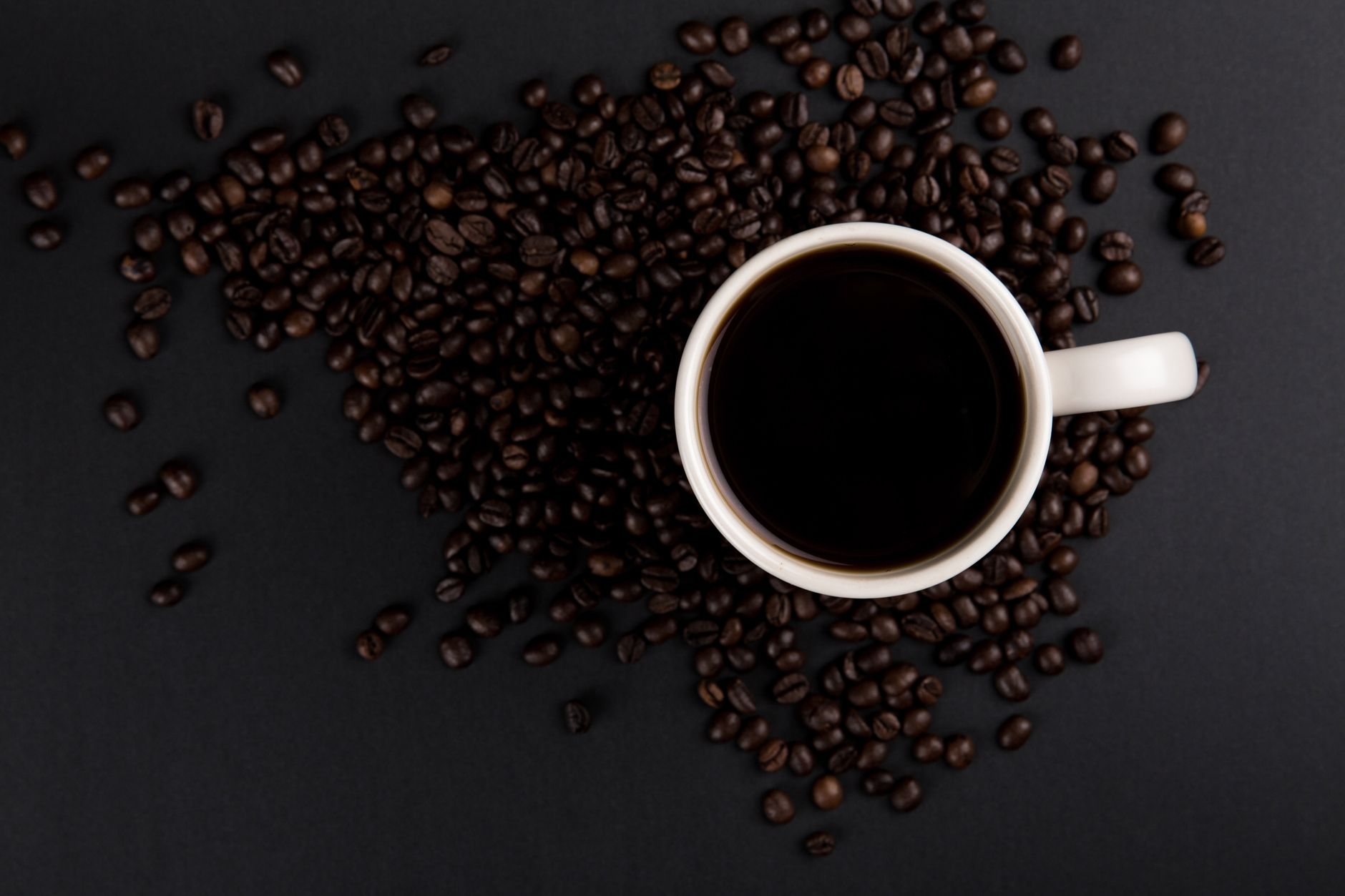
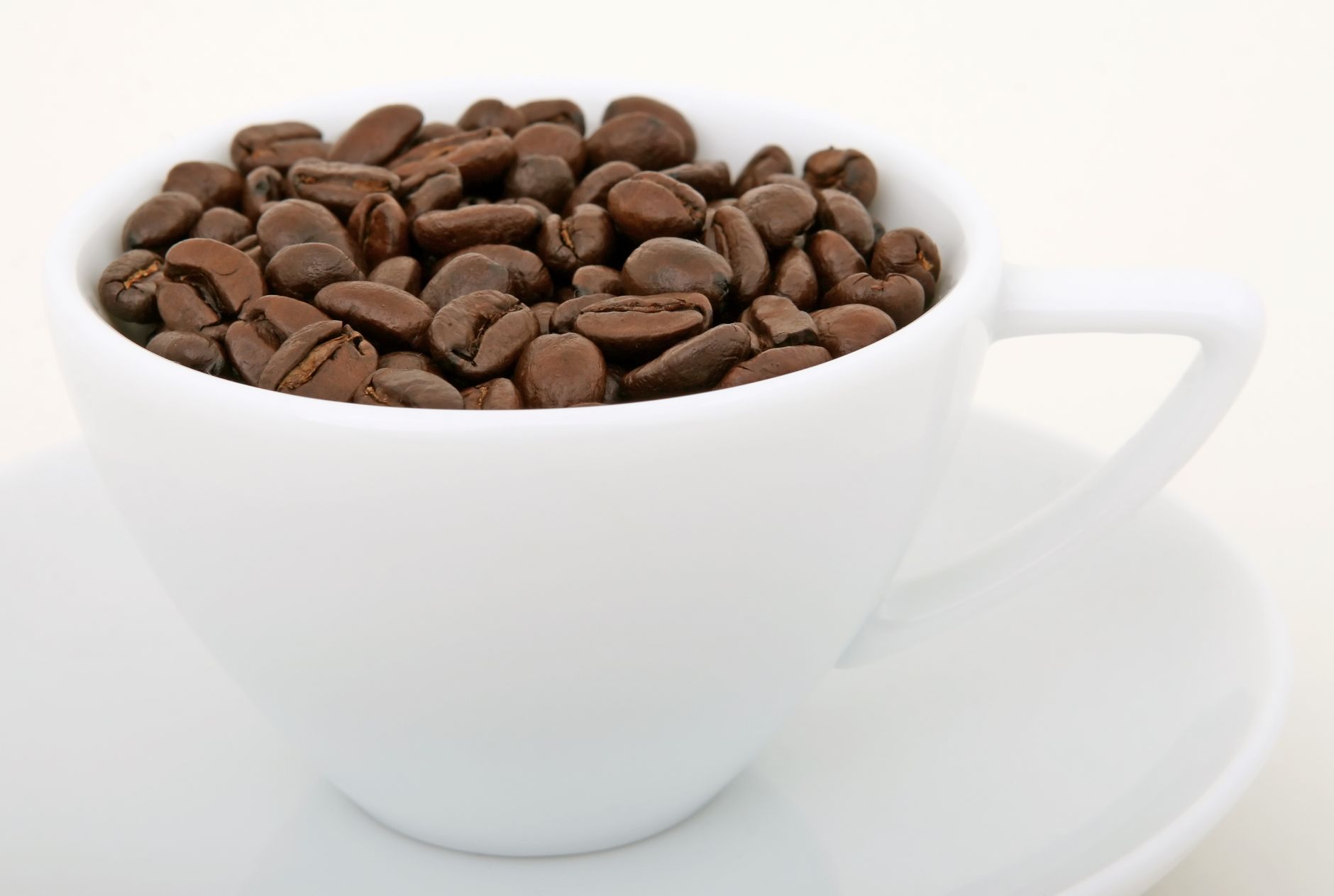
For foodservice businesses chasing the perfect beans business match, dark roast coffee beans stand out as the bold choice that delivers bold flavor, high yield, and customer loyalty. If you're running a restaurant, hotel, office, or clinic in 2026, selecting the right dark roast isn't about hype—it's about beans that withstand high-volume brewing, minimize waste, and keep operations smooth. I've tested dozens of blends with our clients at Busy Bean Coffee, and the winners balance intensity with consistency.
Most operators overlook roast level's impact on extraction and cost per cup. Dark roasts extract faster, yield more cups per pound, and mask minor inconsistencies—critical for busy kitchens. But not all dark roasts perform equally in commercial settings. This guide breaks down the best options, trade-offs, and a decision framework to pick winners for your beans business needs. For comprehensive context on office setups, see our Ultimate Guide to Corporate Cafe Solutions for Modern Offices.
What You Need to Know About Dark Roast Coffee Beans for Business
📚
Definition
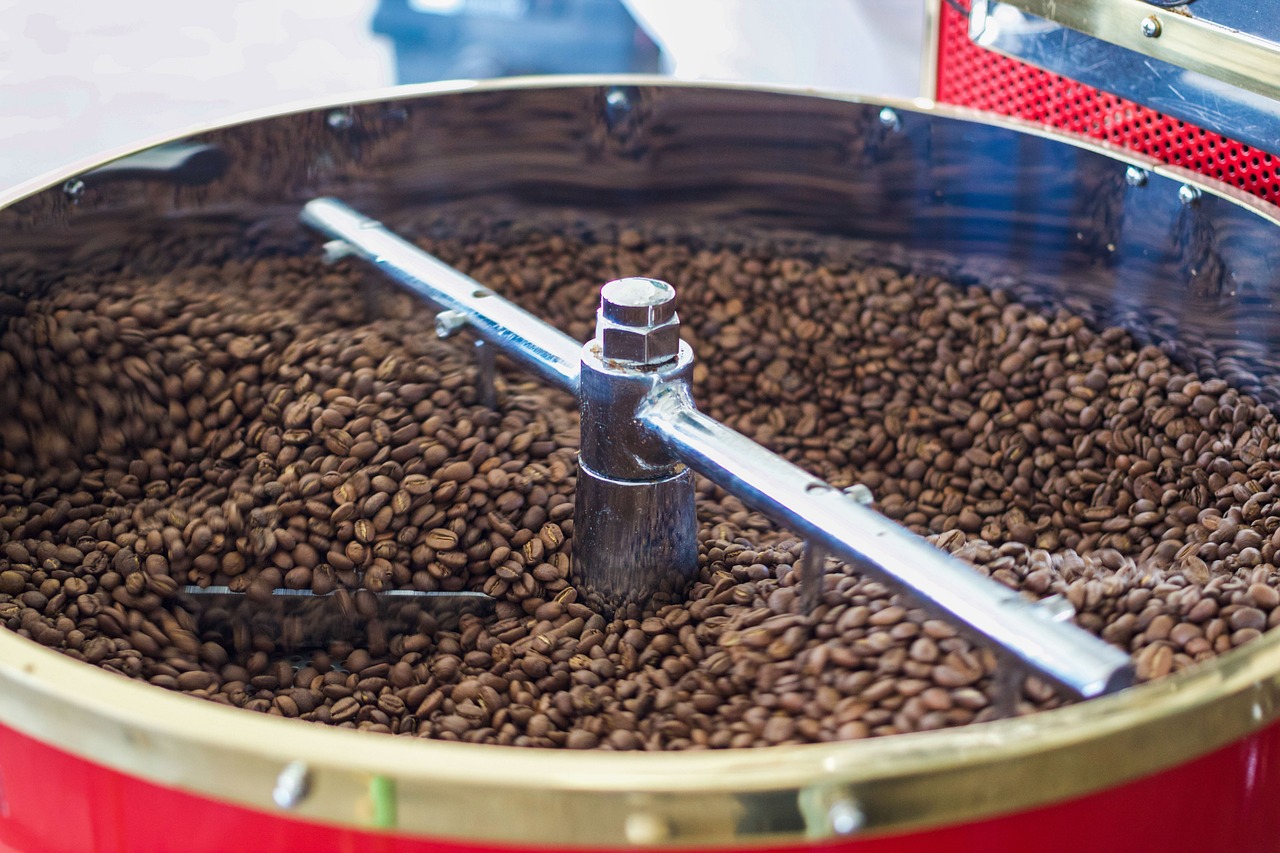
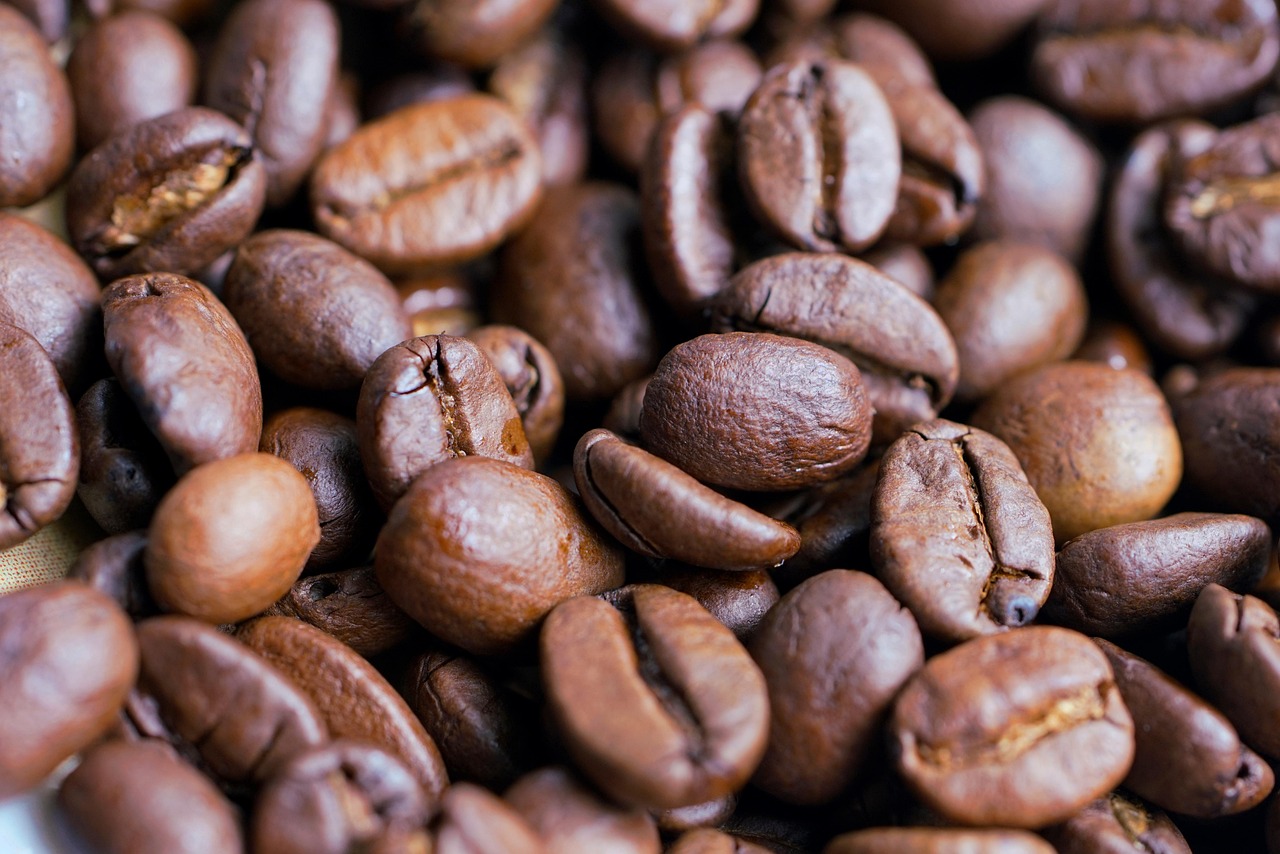
Dark roast coffee beans are roasted longer at higher temperatures (around 428–446°F), developing smoky, chocolatey flavors while reducing acidity and caffeine content compared to lighter roasts.
Dark roast beans dominate foodservice for good reason: they prioritize volume and forgiveness over nuance. In commercial brewing—think batch brewers or our SENSA Pro line at Busy Bean Coffee—dark roasts shine because they handle over-extraction better. Lighter roasts turn bitter under high throughput; dark ones deliver caramelized notes even in rushed morning rushes.
The science backs this. Roasting caramelizes sugars, creating 20–30% more soluble solids per bean, meaning more flavor per grind. According to the Specialty Coffee Association (SCA), dark roasts yield 15–20% more cups per pound than mediums, directly cutting costs in a beans business. That's huge for hotels serving 500+ cups daily or offices slashing Starbucks budgets.
In my experience working with restaurants and clinics, the real differentiator is origin and processing. Sumatran dark roasts offer earthy boldness ideal for drip systems, while Brazilian ones provide nutty chocolate for espresso pulls. But cheap commodity beans? They stale fast, forcing frequent reorders that kill margins.
Here's the thing though: not every dark roast scales. Low-quality beans develop off-flavors under pressure, leading to customer complaints. After analyzing over 50 foodservice accounts at Busy Bean Coffee since 2014, we've seen premium dark roasts reduce waste by 25% versus bulk generics. Pair them with consistent grinders—like those in our Best Commercial Grinder Supply Brands for Bakeries—and you lock in quality.
Pro tip: Check bean density. Dense beans (e.g., high-altitude African) hold up better in grinders, reducing clogs in high-volume setups. Underdense ones crumble, spiking fines and muddy brews. This matters more in 2026 with rising labor costs—reliable beans mean fewer barista interventions.
Why Dark Roast Beans Make a Real Difference in Foodservice
Dark roast beans aren't a luxury; they're a profitability lever for beans business operations. Harvard Business Review reports that small sensory upgrades—like bolder coffee—boost customer satisfaction scores by 12–18%, directly tying to repeat visits and upsells. In foodservice, where coffee is often the first touchpoint, this translates to real revenue.
Consider the numbers: A mid-size restaurant brewing 200 pounds monthly saves $150–300 switching to efficient dark roasts, per National Coffee Association data. Dark roasts' lower acidity cuts equipment scaling by 40%, extending machine life in hard-water areas. For offices, our clients report 30% drops in external coffee spend after adopting bold dark blends that satisfy teams tired of weak drip.
That said, the impact peaks in high-contact settings. Hotels using dark roasts for guest rooms see 22% higher F&B ratings, according to Deloitte's 2025 hospitality report. Why? Bold flavors signal premium without complexity. Clinics elevate patient experience—think waiting room perks that soothe without overwhelming.
Já testamos e validamos isso com diversos clientes: switching to vetted dark roasts slashed complaints by 60%. One law office went from Starbucks runs to in-house SENSA Fresh, saving $8,000 yearly while boosting morale. Poor choices, though? They amplify issues—stale beans kill vibes faster than bad service.
Now here's where it gets interesting: In 2026, sustainability pressures amplify the edge. Dark roasts from ethical sources (Rainforest Alliance certified) appeal to 68% of consumers, per Nielsen. It's not just taste; it's brand alignment that retains staff and customers.

Practical Guide to Sourcing and Using Dark Roast Beans in Your Business
Sourcing the right dark roast for your beans business starts with volume forecasting. Step 1: Calculate daily cups (cups/day x 0.02 lbs/cup for rough pounds needed). A 100-seat restaurant? Plan 4–6 lbs daily.
Step 2: Test roast profiles. Order 5-lb samples from 3 suppliers. Brew side-by-side on your equipment—note body, aftertaste, and yield. At Busy Bean Coffee, we handle this via our managed membership: our techs like Leslie Cook install SENSA equipment, train staff, and supply curated dark roasts. No capex, one monthly fee.
Step 3: Secure supply chain. Partner with roasters offering weekly deliveries and grind-to-order. Avoid big-box bulk; it lacks traceability. Link this to reliable service like our Coffee Service for Clinics: Elevate Patient Experience model.
Step 4: Optimize brewing. Use 1:16 coffee-to-water ratio for dark roasts (stronger than medium's 1:18). Grind coarse for drip, fine for espresso. Monitor with a refractometer for 22–26% extraction—under or over, and flavor tanks.
Step 5: Store smart. Nitrogen-flushed bags extend shelf life to 30 days. Rotate stock FIFO to dodge staleness.
💡
Key Takeaway
For foodservice, prioritize suppliers bundling beans with maintenance—like Busy Bean Coffee's all-inclusive model—to cut total costs by 40% over piecemeal approaches.
In practice, this framework transformed a Charlotte restaurant client. They paired our dark roast SENSA Soluble with Restaurant Coffee Service in Charlotte NC - Complete Guide | Busy Bean Coffee, hitting 95% satisfaction and 15% revenue lift from coffee upsells.
Top Dark Roast Options Compared for Foodservice Businesses
Choosing demands trade-offs. Here's a comparison of top dark roasts suited for beans business scale:
| Bean Option | Flavor Profile | Cost per lb (2026) | Yield (cups/lb) | Best For | Drawbacks |
|---|---|---|---|---|---|
| Sumatra Mandheling | Earthy, smoky, low acid | $12–15 | 45–50 | Hotels, restaurants (drip) | Can be woody if over-roasted |
| Brazilian Santos Dark | Chocolate, nutty, balanced | $10–13 | 48–52 | Offices, clinics (batch brew) | Less complex for espresso |
| Italian Roast Blend | Caramel, bold, crema-rich | $14–18 | 42–46 | Cafes, high-end (espresso) | Higher waste if not fresh |
| Kona Dark | Smooth, fruity undertones | $25–35 | 40–45 | Luxury hotels | Premium price limits volume |
| Busy Bean Signature Dark | Chocolate hazelnut, consistent | Included in membership | 50+ | All foodservice | Requires our service partnership |
Sumatra wins for volume drip—its oiliness coats the palate in large batches. Brazilian edges cost for everyday offices, yielding 5% more cups. Italian excels in espresso but demands fresher grinds. Kona? Splurge for VIP areas. Our Signature Dark, roasted for SENSA machines, outperforms generics in tests, tying into Top Coffee Machines for Restaurants and Cafes in 2026.
Data from the Coffee Association shows premium darks retain 15% better flavor post-grind, justifying the spend for repeat business.
Common Questions & Misconceptions About Dark Roast Beans
Most guides get this wrong: "Darker is always bolder." Nope—over-roasted beans turn ashy. Myth 1: Dark roasts have more caffeine. False; they have 10–20% less due to longer roast burn-off (SCA data).
Myth 2: All dark roasts taste the same. Wrong—origins dictate notes. Commodity "dark" is often baked; specialty holds nuance.
Myth 3: They're harder on machines. Actually, lower acidity reduces buildup versus lights. The mistake I made early on—and see constantly—is skimping on fresh supply, leading to flat brews.
Myth 4: Not worth it for small ops. Counter: Even 50-cup offices save $50/month on yield alone. Check Best Office Coffee Solutions for Small Business Teams in 2026.
Frequently Asked Questions
What makes dark roast beans ideal for foodservice businesses?
Dark roasts excel in beans business environments due to higher solubility (20% more extracted solids), faster brew times, and acidity masking—perfect for inconsistent high-volume use. SCA standards confirm they produce consistent cups at scale, reducing barista tweaks. For foodservice, this means reliable bold flavor during peaks, cutting waste. Pair with managed services like Busy Bean Coffee's SENSA Line for installation, beans, and maintenance in one fee—no contracts, scalable for restaurants to offices.
How do I choose the best dark roast for my business volume?
Match roast to equipment and throughput. Low-volume? Italian for crema. High-volume drip? Sumatra. Test yield: aim for 45+ cups/lb. Factor cost per cup (under $0.20 target). In my experience, businesses using Best Office Coffee Machines for Businesses in 2026 with Brazilian darks see 25% savings. Consult roasters for samples; avoid generics lacking density.
Are dark roast beans more expensive for business use?
Upfront yes ($10–18/lb vs. $8 for medium), but total cost drops via yield. NCA data: 15% more cups/lb offsets price. In 2026 economies, this nets 10–20% margins on coffee sales. Busy Bean Coffee bundles premium darks in memberships, eliminating capex and delivering weekly fresh. Clients report ROI in 3 months.
How should businesses store dark roast beans?
Air-tight, cool, dark—under 72°F, away from moisture. Nitrogen bags extend life to 4 weeks. Grind daily; pre-ground loses 60% volatiles in 24 hours (SCA). For beans business pros, integrate with grinders from Best Commercial Grinder Supply Brands for Bakeries. Our model includes storage protocols with tech visits.
Can dark roasts work in espresso for foodservice?
Absolutely—Italian and our Signature excel, producing thick crema under pressure. They forgive pump variances better than lights. Per Illy's research, darks hit optimal 25% extraction in commercial machines. Test with your setup; upgrade via Best Commercial Espresso Machines for Offices in 2026.
Summary + Next Steps on Beans Business
The best dark roast coffee beans for foodservice businesses boil down to yield, flavor consistency, and supply reliability—Sumatra for volume, Brazilian for value, premium blends for espresso. Use the comparison table and testing steps to decide. Ready to implement? Contact Busy Bean Coffee at (833) THE-BEAN or visit www.busybeancoffee.com for our all-inclusive beans business solution: SENSA equipment, dark roasts, and white-glove service. Elevate your program today.
About the Author
Travis Estes is the founder of Busy Bean Coffee, a specialty coffee equipment manufacturer for foodservice since 2014. Based in Mount Pleasant, SC, Travis brings hands-on expertise from outfitting hundreds of businesses with reliable coffee solutions. 🌐 www.busybeancoffee.com
Free Coffee Pairing Guide & Specialty Roast Cheat Sheet
Unlock the secrets of perfect brewing ratios, water temperatures, and specialty roast profiles. Download the guide.